
Seasonal Allergies Surge Across Canada as Pollen Seasons Lengthen and Treatments Evolve
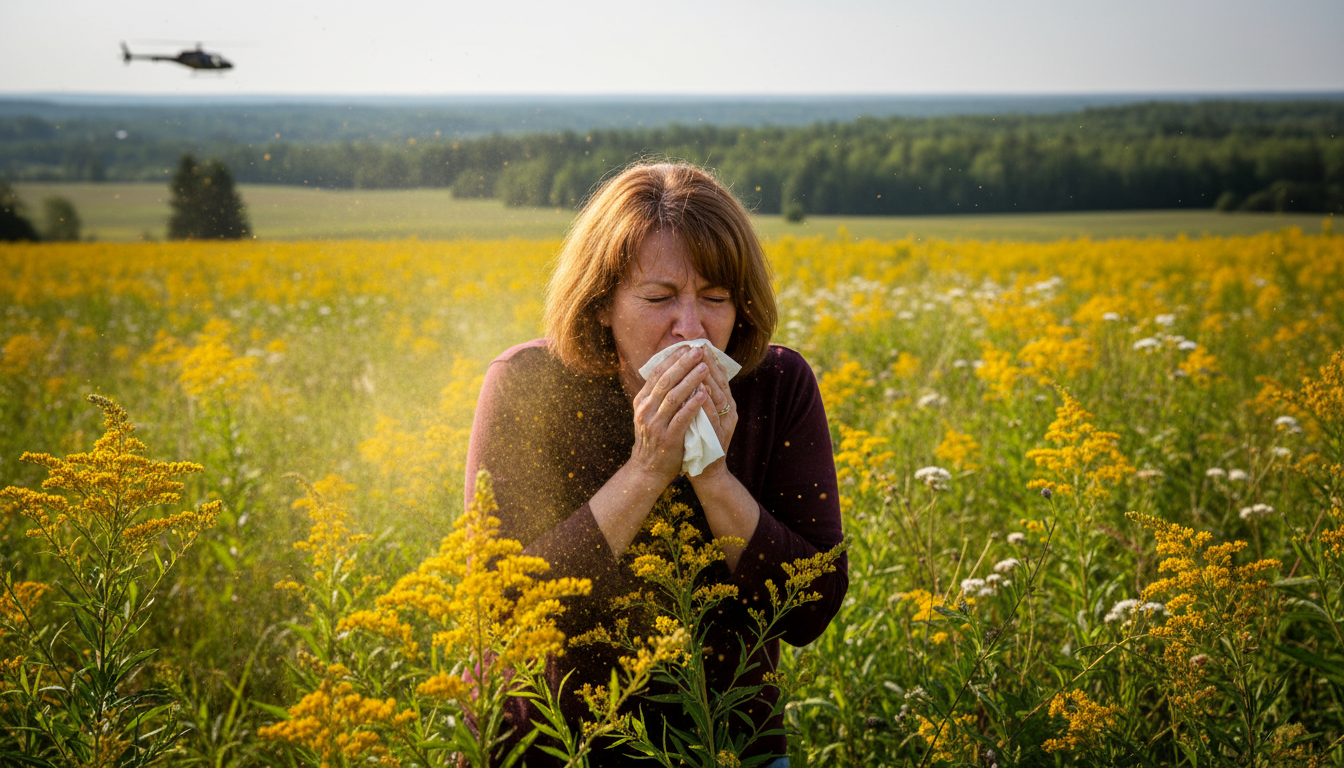
As seasonal allergies sweep across Canada this spring, pollen levels and longer seasons are driving more severe symptoms for many residents. Experts link the trend to earlier warmth and urban factors, while clinics report growing demand for testing and modern therapies. This report outlines the regions hardest hit, the science behind rising pollen, and practical options to ease symptoms.
Nationwide rise in pollen and symptom reports
Doctors and allergists across the country are reporting a clear uptick in patients presenting with hay fever, sinus congestion, itchy eyes and asthma exacerbations linked to seasonal allergies. Clinics from Vancouver to Montreal have seen appointments rise as tree and grass pollens enter peak release periods earlier than in past decades. Physicians say the pattern is consistent with monitoring data showing higher daily counts and longer windows of exposure.
Public health researchers and aerobiology labs have tracked increases in airborne pollen over the last 10 to 30 years in many urban centres. Those monitoring programs record both more days with “high” counts and sharper seasonal peaks, which correlate with increased clinic visits. The result for Canadians is a season that starts sooner, lingers longer and—according to specialists—produces worse overall symptom burden.
Patients are reporting the familiar constellation of symptoms more intensely: constant nasal discharge, pressure headaches, recurrent sneezing, red and watering eyes, and flare-ups of eczema and asthma. For people with underlying respiratory conditions, repeated exposure to high pollen can mean more emergency visits and medication changes. Health professionals emphasize that recognizing the rise in pollen is the first step to planning effective prevention and treatment.
Climate shifts and urban factors lengthen pollen seasons
Allergists and climate scientists point to several environmental drivers behind the worsening allergy seasons, with rising temperatures at the top of the list. Earlier springs and warmer winters accelerate plant growth and extend the period during which trees, grasses and weeds produce pollen. That change shifts the traditional timing of allergy seasons and increases cumulative pollen exposure.
Urban conditions can compound the effect. Air pollution has been shown to interact with pollen particles, potentially increasing their allergenicity or the inflammatory response they provoke in people. Some researchers have also raised concerns about light pollution and other city-specific phenomena that may disrupt plant cycles and prolong pollen release. Together, these influences help explain why many urban residents are experiencing more persistent symptoms.
Several studies comparing pollen records over multiple decades report notable increases in both the length of pollen seasons and the annual pollen totals in many regions. Experts caution that these trends are complex and can vary by plant species and location, but the overall picture points to an emerging public-health challenge for allergy management in Canadian communities.
Cities and regions reporting the biggest spikes
Recent aerobiology monitoring identifies specific urban areas where seasonal allergies are particularly intense this year. Coastal British Columbia cities like Vancouver and Victoria have been highlighted for early and sustained tree-pollen activity, driven in part by their milder winters and overlapping pollen sources. Laboratory reports show those centres frequently register longer seasons and repeated peaks that challenge sufferers.
Ontario is also seeing major impacts, with several cities showing very high seasonal loads across tree, grass and weed pollen periods. Analysts cite the province’s exposure to multiple pollen seasons—tree, grass and ragweed—as a reason some Ontario communities land among the worst-hit in national rankings. Windsor and several municipalities in the greater Toronto region have been singled out for especially elevated counts this spring.
Prairie and Atlantic regions are not exempt; localized weather patterns, agricultural land use, and plant distributions mean pollen dynamics differ city to city. Health officials advise residents to consult local pollen forecasts and to be alert for symptom changes, since what is severe in one region may be milder in another.
Practical prevention steps that reduce exposure
Allergists recommend a first-line approach built on avoidance and smart daily habits to lower pollen exposure and blunt symptoms. Measures such as keeping windows closed at night, using air conditioning with appropriate filters, and avoiding outdoor drying of clothes during high-pollen days can reduce household contamination. Sunglasses and hats also help shield eyes and hair from direct pollen contact.
Timing outdoor activities is another useful tactic: pollen counts tend to peak in the early morning and on dry, windy days, so planning exercise or errands for later in the day or after rainfall can lessen exposure. Frequent washing of hands and face after being outdoors, along with showering before bed, can remove pollen carried into the home. Simple changes in routines can significantly reduce daily symptom severity.
For indoor environments, HEPA filtration units and regular vacuuming with HEPA-equipped vacuums reduce airborne and settled pollen. Pet owners should be aware that animals can transport pollen on fur, so limiting pet access to bedrooms and washing pets after outdoor time can lower indoor allergen loads. These preventive steps are low-cost and often effective complements to medication.
Medications and short-term symptom control options
Over-the-counter antihistamines remain a cornerstone for mild to moderate seasonal allergies, particularly newer agents that minimize sedation. Patients commonly combine oral antihistamines with saline nasal rinses, steroid nasal sprays, and medicated eye drops to target the most troublesome symptoms. These treatments control inflammation and itching but do not alter the underlying immune response that produces the allergy.
Nasal steroid sprays are effective at reducing congestion and mucosal swelling and are safe for many adults and children when used as directed. Saline irrigation can aid mucus clearance and enhance the performance of other nasal medications. Primary-care clinicians and pharmacists can help patients choose appropriate agents and ensure dosing and administration techniques optimize benefit.
For people whose symptoms disrupt sleep, work or daily life despite basic measures and medications, clinicians recommend follow-up. Adjustments can include switching medications, combining therapies, or pursuing further evaluation to ensure symptoms are not due to an alternative or coexisting condition. Timely management prevents progression to more severe airway involvement.
Desensitization, sublingual tablets and biologics for long-term control
When avoidance and symptom control strategies fall short, allergy specialists often turn to therapies designed to modify the immune system’s response to allergens. Immunotherapy—either by injection or sublingual tablets under the tongue—introduces controlled doses of specific allergens to build tolerance over time. These treatments can reduce symptom severity and medication use in the long term.
Sublingual immunotherapy tablets have grown in popularity because they can be administered at home and target common allergens such as grass and ragweed. Clinicians point to improved convenience and adherence with these options compared with traditional injection schedules that require clinic visits. Costs can be substantial for some patients, and coverage varies by province and insurer, factors that clinicians advise discussing when considering therapy.
For the most severe, refractory cases, targeted biologic drugs offer another path by blocking specific immune pathways that drive allergic inflammation. These agents are administered by injection or infusion and are typically reserved for patients with significant asthma or chronic nasal polyps who have not responded to standard therapies. Access and expense are limiting factors, and specialists assess candidates carefully before starting biologics.
Testing and specialist referral to identify triggers
Accurate diagnosis is essential because effective treatment depends on knowing which allergens are responsible for a person’s symptoms. Allergy testing—either skin prick tests or blood tests measuring specific antibodies—helps clinicians identify triggers and tailor immunotherapy when appropriate. Testing can also reveal sensitivities that mimic seasonal allergies, including fungal or perennial indoor allergens.
Primary-care physicians can provide initial assessments and referrals to allergists for more detailed testing and treatment planning. Allergy specialists can interpret complex results, recommend immunotherapy, and manage biologics when needed. Clinicians emphasize that some symptoms attributed to seasonal allergies may be caused by other conditions such as chronic sinus disease, infections or medication reactions, so testing helps to rule out alternative diagnoses.
Children are increasingly considered candidates for early immunotherapy when indicated, as evidence suggests early intervention may reduce long-term allergic disease burden. Pediatric allergists and family doctors discuss risks, benefits and timing with families to determine the best approach for younger patients.
Preparing workplaces, schools and communities for heavier seasons
Public-health officials and employers are beginning to adjust guidance as pollen seasons shift and intensify. Schools and childcare programs can reduce outdoor recess during high-pollen days and ensure indoor air quality measures are in place. Employers might consider flexible scheduling for employees whose symptoms are severe at particular times of day.
Healthcare systems are also adapting, with clinics extending access to allergy testing and increasing patient education on effective self-management. Pharmacists are a readily available resource for guidance on over-the-counter treatments and when to seek medical care. Community-level forecasting and real-time pollen alerts help individuals and organizations plan activities around peak pollen periods.
Greater public awareness of the environmental contributors to seasonal allergies has prompted calls for broader mitigation strategies, such as urban planning that considers allergenic plantings and policies that reduce air pollution. While long-term environmental measures require multisectoral action, local interventions can meaningfully reduce symptom burden in many communities.
Understanding and planning are key as Canada moves into a season marked by higher pollen burdens and longer exposure periods. Simple preventive steps, timely testing and a spectrum of treatment options—ranging from antihistamines to immunotherapy—give patients and clinicians tools to manage seasonal allergies more effectively. The evolving pattern of pollen across regions underscores the value of monitoring, tailored care and community-level responses to protect public health this spring and in the years ahead.
