
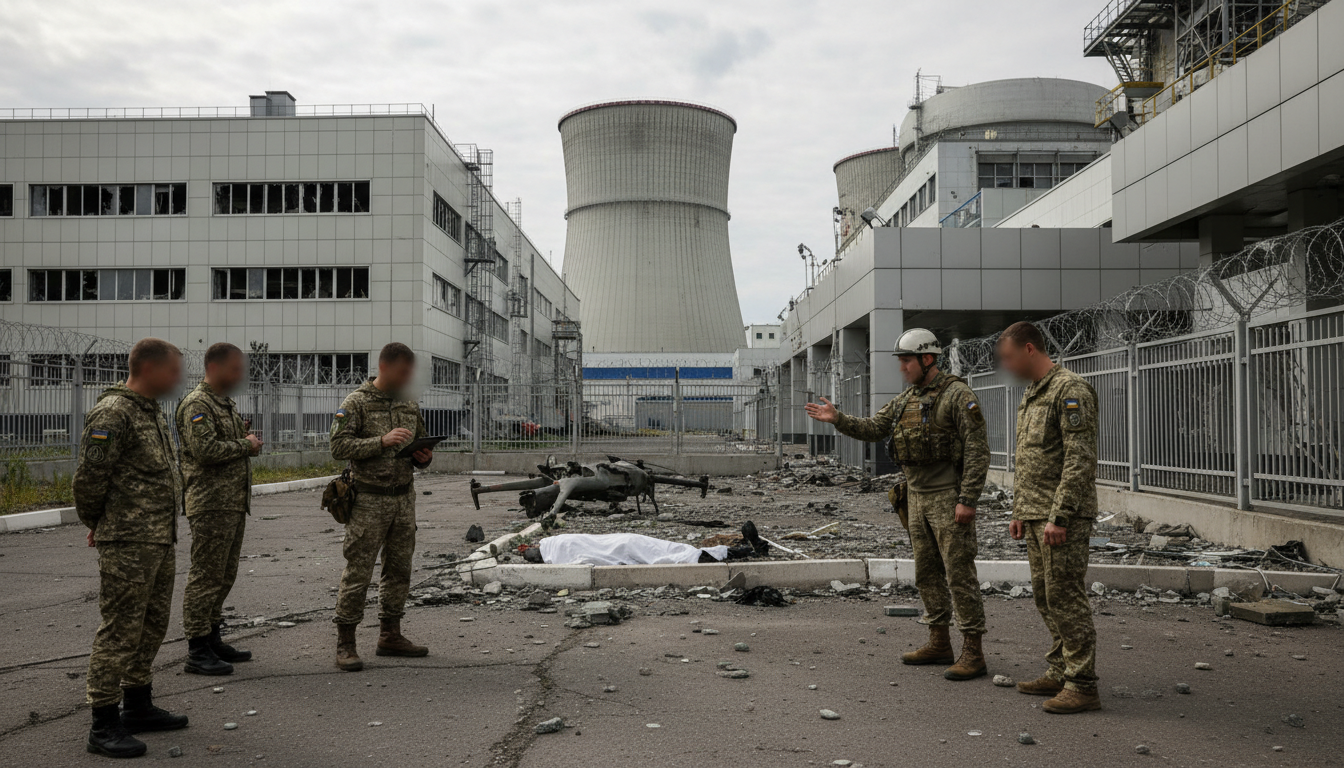
Zaporizhzhia nuclear plant worker killed as Odesa and border regions hit by renewed drone strikes
Zaporizhzhia nuclear plant worker killed after drone strike as Odesa and border regions endure fresh attacks; officials report casualties and damage today.
Russian-occupied parts of southern Ukraine and border areas were struck in separate drone and missile attacks on April 27, 2026, leaving a worker dead at the captured Zaporizhzhia nuclear plant and scores of civilians wounded or displaced, officials said. The Zaporizhzhia nuclear plant was explicitly named by local, Russia-installed managers after a strike on the facility’s transport department; Ukrainian and Russian authorities traded accusations as regional governors reported multiple casualties and widespread property damage. The incidents intensified concerns about civilian safety and nuclear security as diplomatic efforts to halt the fighting showed no immediate progress.
Zaporizhzhia plant worker killed in transport-department strike
According to managers at the Zaporizhzhia nuclear plant installed by Russian authorities, a driver was killed when a Ukrainian Armed Forces drone struck the plant’s transport department. The plant remains under Russian control and is currently shut down, the statement said, and the fatality was described as an employee of the facility’s transport services. The account came as Ukrainian and Russian sources issued competing narratives about responsibility for strikes across the region.
Odesa sustained injuries and infrastructure damage in separate attack
Odesa Governor Oleh Kiper reported that Russian drone strikes hit three districts of the southern port city, injuring at least 11 people, including two children. Kiper said residential buildings, vehicles and several civilian facilities were damaged, listing a hotel, warehouses and the city’s funicular among the affected sites. Authorities in Odesa said windows were shattered in many buildings and parts of the port area sustained damage, and municipal services were mobilized to respond and clear debris.
Regional commanders report heavy bombardment and civilian toll
Ivan Fedorov, governor of the Zaporizhzhia region, said separate Russian strikes killed a 59-year-old man in the region and that Russian forces carried out hundreds of attacks in a single day. Fedorov reported 629 strikes across 45 settlements with at least 50 incidents of damage to homes and critical infrastructure, according to his office. Russian officials, for their part, reported Ukrainian drone attacks across the border in the Belgorod region, saying at least one person was killed and four women were injured, alongside damage to buildings and vehicles.
Nuclear safety concerns rise amid plant’s occupied status
The killing of a plant worker at the Zaporizhzhia nuclear plant — which remains shut down and under Russian occupation — has prompted renewed international worry about the safety implications of military operations near nuclear facilities. Damage to transport and support infrastructure can complicate routine maintenance and emergency response, experts have long warned, and any escalation around the site raises the risk of contamination or a broader radiological incident. Plant managers’ statements and regional reports underscore the vulnerability of civilian personnel who continue to work at or near the facility under occupation.
Law enforcement and war-crime documentation underway in Odesa
Local authorities in Odesa said specialised and municipal services were working to mitigate the consequences of the strikes while law enforcement documented the incidents. Governor Kiper urged thorough documentation of damage and injuries, saying investigators would collect evidence for potential war-crime cases related to attacks on the civilian population. Emergency responders were reported to be coordinating shelter and medical aid for the injured, and repair crews moved to secure damaged infrastructure in affected districts.
Diplomatic efforts show limited movement despite talks and visits
The fresh attacks came as diplomatic overtures remained tenuous. Former U.S. President Donald Trump told broadcasters he had held “good conversations” with both Vladimir Putin and Volodymyr Zelenskyy and signalled ongoing engagement aimed at de-escalation. Meanwhile, Ukrainian President Volodymyr Zelenskyy, returning from talks in Baku, said he had signed agreements on security and energy cooperation with Azerbaijan and that the possibility of talks with Russia had been discussed for the future. Officials indicated, however, that no concrete ceasefire emerged from recent exchanges.
The sequence of strikes across Odesa, Zaporizhzhia and border regions on April 27 underscores the volatile mix of military activity and civilian risk that remains a central challenge in the conflict. Investigations by local authorities and plant managers are expected to continue, and humanitarian agencies have urged expedited access to provide aid to injured civilians and displaced families. Continued international monitoring and cautious diplomatic engagement will be essential to reduce the chances of further civilian casualties and to safeguard the integrity of critical infrastructure, including nuclear facilities.
