
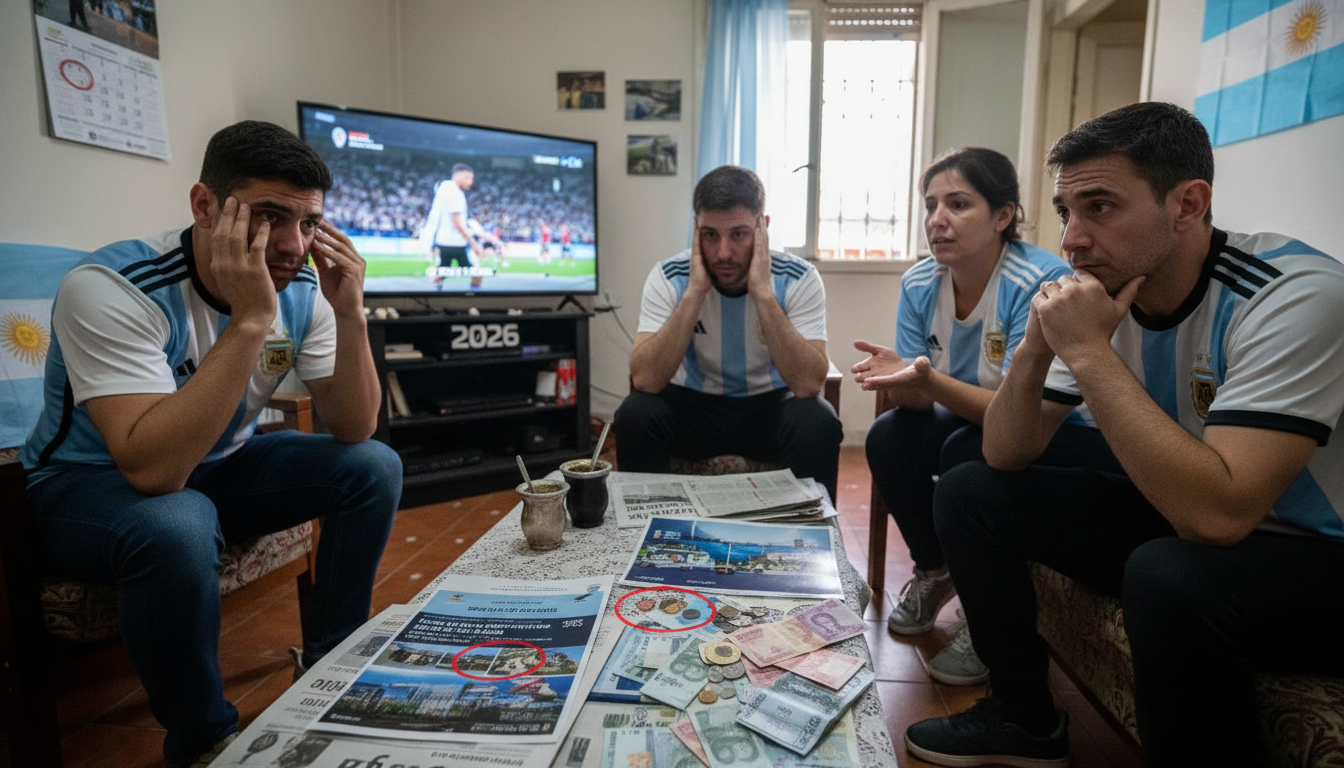
Argentine Fans Struggle to Afford the 2026 World Cup
Rising ticket, travel and lodging costs are keeping many Argentine fans from attending the 2026 World Cup, forcing difficult choices, reduced travel and a surge in local viewing gatherings.
Argentine fans have long turned out by the tens of thousands for World Cups, but this year many say the cumulative cost of tickets, flights and hotels has put travel out of reach for large segments of the supporter base. The financial pressure is reshaping who can follow the team in person, as households weigh the trip against basic expenses. Local communities and businesses are adjusting to a smaller stream of traveling supporters and new patterns of collective viewing at home.
Ticket, travel and accommodation costs are the central barrier
Rising prices for match tickets are one of several hurdles that fans cite when deciding whether to travel abroad for the tournament. Airlines and hotel rates during major sporting events often spike, and those compounded increases mean a weekend away can exceed many families’ monthly budgets. For supporters who once prioritized World Cup attendance, the arithmetic now forces trade-offs between travel and other essential spending.
Supporters in Buenos Aires describe hard choices
In Buenos Aires, long-time fans described selling possessions, postponing household repairs, or simply staying behind to keep afloat financially. Many expressed frustration that attending a national team match—an emotionally central experience—has become an expensive proposition rather than a communal rite. Those who remain are organizing watch parties and fundraising efforts to keep the shared ritual alive without the overseas travel.
FIFA maintains revenues will fund global soccer development
Organizers have said higher revenues are intended to finance soccer development projects worldwide, and officials argue that broader investment benefits the sport at large. That argument, however, does not address the immediate affordability gap for traveling supporters who have historically formed the heartbeat of World Cup atmospheres. The tension between global funding goals and local access has become a focal point in debates about the tournament’s costs.
Local vendors and travel businesses feel mixed effects
Some travel agencies and independent vendors report a surge in demand from international visitors who can afford premium packages, while smaller operators who relied on budget-conscious fans see weaker bookings. Match-related corporate hospitality and high-end tourism often replace the steady flow of grassroots supporters that once supplied a more distributed economic boost. This shift has left certain neighborhoods and informal vendors anticipating fewer customers than in past tournaments.
Community viewing and alternatives are on the rise
With fewer fans traveling, bars, clubs and neighborhood plazas are increasing screen capacity and organizing large-scale viewing events to capture the displaced audience. These gatherings replicate some of the match-day atmosphere at home, drawing families and fans who would otherwise have traveled. Local governments and private venues are stepping in with permits and temporary infrastructure to handle bigger crowds in Argentine cities and towns.
Concerns about accessibility and the future of fandom
Advocates warn that sustained increases in the cost of attending major tournaments could narrow the fan base in practical terms, limiting in-person representation to wealthier segments of supporters. That prospect raises questions about whose passion is visible at the game and how national teams remain connected to broad communities. Policymakers and sporting bodies face growing pressure to consider measures that preserve affordable access for long-time followers.
The struggle over affordability reflects a broader clash between the global commercialization of major events and the traditions of mass, popular fandom. As the tournament approaches, many Argentine supporters will find ways to follow the team, but the balance between being there in person and supporting from home has shifted in ways likely to outlast a single competition.
