
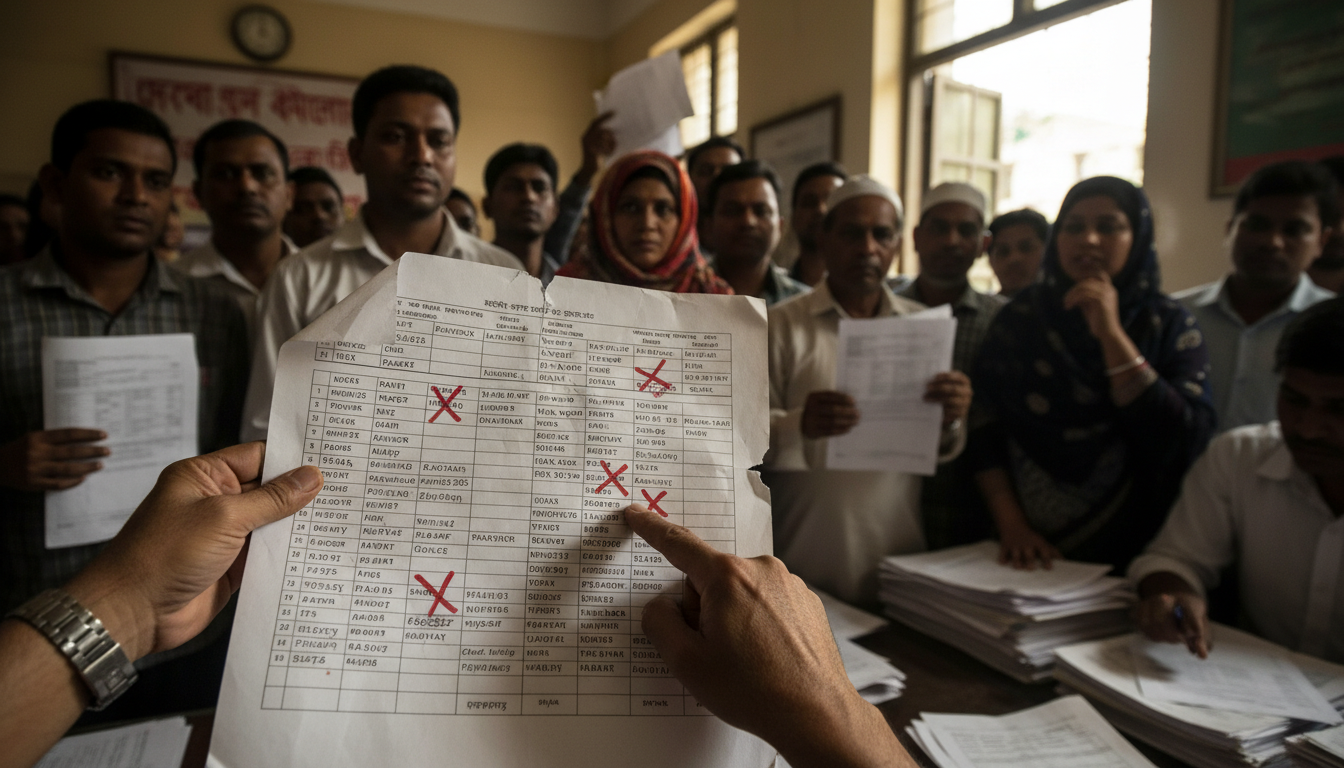
Voter list deletions remove over 9 million names ahead of West Bengal election
More than 9 million names were cut from West Bengal’s voter list before the state election, prompting claims the revision disproportionately affected Muslim voters.
Mass deletions announced during tight race
Election officials and voting authorities implemented a rapid revision of the electoral rolls in the weeks leading up to the April 23, 2026 state vote, removing more than 9 million entries from the register. The sweep came as parties were locked in a tightly contested campaign for control of the state assembly. Officials described the exercise as an administrative clean-up, while critics say the timing and scale have raised serious concerns about disenfranchisement.
The deletions have become a central issue on polling day, overshadowing other campaign topics and prompting calls for clarity from both domestic observers and opposition parties. Authorities have defended the revision as necessary to ensure accurate rolls, but the volume of names removed has prompted immediate and sustained scrutiny.
Disproportionate impact on Muslim-majority districts
Community leaders, civil society groups and some political parties allege that the voter list revisions have disproportionately affected districts with large Muslim populations. Local election monitors reported higher rates of name removals in several constituencies that are strategically important in the contest for seats. Those claims have not been uniformly validated by independent audits, but the pattern has intensified scrutiny of the revision process.
Advocates for minority rights argue that even administrative errors can translate into political marginalization when they occur on a large scale and close to polling day. The concern is not only lost ballots but the chilling effect such deletions can have on turnout if communities feel their participation will not be counted.
Election-day logistics and turnout pressures
Millions of voters have turned out across West Bengal amid heightened administrative focus on identifying eligible electors and resolving roll discrepancies. Election officials reported long queues at some polling stations and an increase in on-the-spot verification requests as individuals seek to confirm their registration status. Voting has proceeded under tight deadlines, and local authorities have been pressed to address complaints quickly to avoid disenfranchising citizens.
The pace and volume of on-the-ground resolution have varied between districts, with some returning officers able to process provisional arrangements and others struggling under staff and resource constraints. Observers say that these logistical differences can affect voter confidence and the perceived fairness of the process.
Responses from officials and political leaders
State election authorities have maintained that the voter roll revision followed procedural requirements and targeted duplicate or obsolete entries. Government statements described the deletions as part of routine maintenance to improve the accuracy of rolls and ensure the integrity of future elections. Officials pointed to legal frameworks that permit periodic revisions and insisted that mechanisms exist for affected voters to seek redress.
Opposition parties and some local leaders have dismissed those explanations as insufficient given the timing and scale of the changes. They have urged immediate audits of the revision, emergency restoration of erroneously removed names, and stronger safeguards to prevent last-minute roll changes from influencing the outcome.
Legal challenges and civil society action
Human rights organizations and civil society groups quickly mobilized to document cases where individuals reported being removed from the rolls despite presenting identity documents confirming their eligibility. Several complaints were filed with electoral oversight bodies and courts seeking urgent remedies, including temporary instructions to allow provisional voting for those affected. Legal advocates argued that judicial intervention may be necessary to protect the franchise where administrative fixes are delayed.
International rights monitors and media coverage have amplified domestic concerns, calling for transparency in the revision methodology and for independent verification of the claims about disproportionate impact. The debate has highlighted the tension between administrative accuracy and the obligation to uphold voting rights, particularly when changes are implemented close to election day.
Potential consequences for election outcome and public trust
Analysts say the deletions could have material effects in tightly contested constituencies where margins of victory are narrow and where the removed names cluster geographically. If substantial numbers of eligible voters are unable to cast ballots or face impediments on election day, the integrity of results in those areas could be questioned. Beyond immediate electoral arithmetic, the episode risks eroding public trust in the electoral system if perceptions of bias take hold.
Longer-term implications include increased demands for independent audits of voter rolls and reforms to the timing and transparency of revisions. Political parties and civil society may press for legislative or procedural safeguards to ensure roll maintenance does not occur during critical pre-election windows in the future.
The deletions and their handling on April 23, 2026 will likely inform post-election litigation, political narratives and calls for reform in West Bengal, with authorities, civil society and international observers watching how complaints are resolved and whether affected voters are given timely access to the ballot.
