
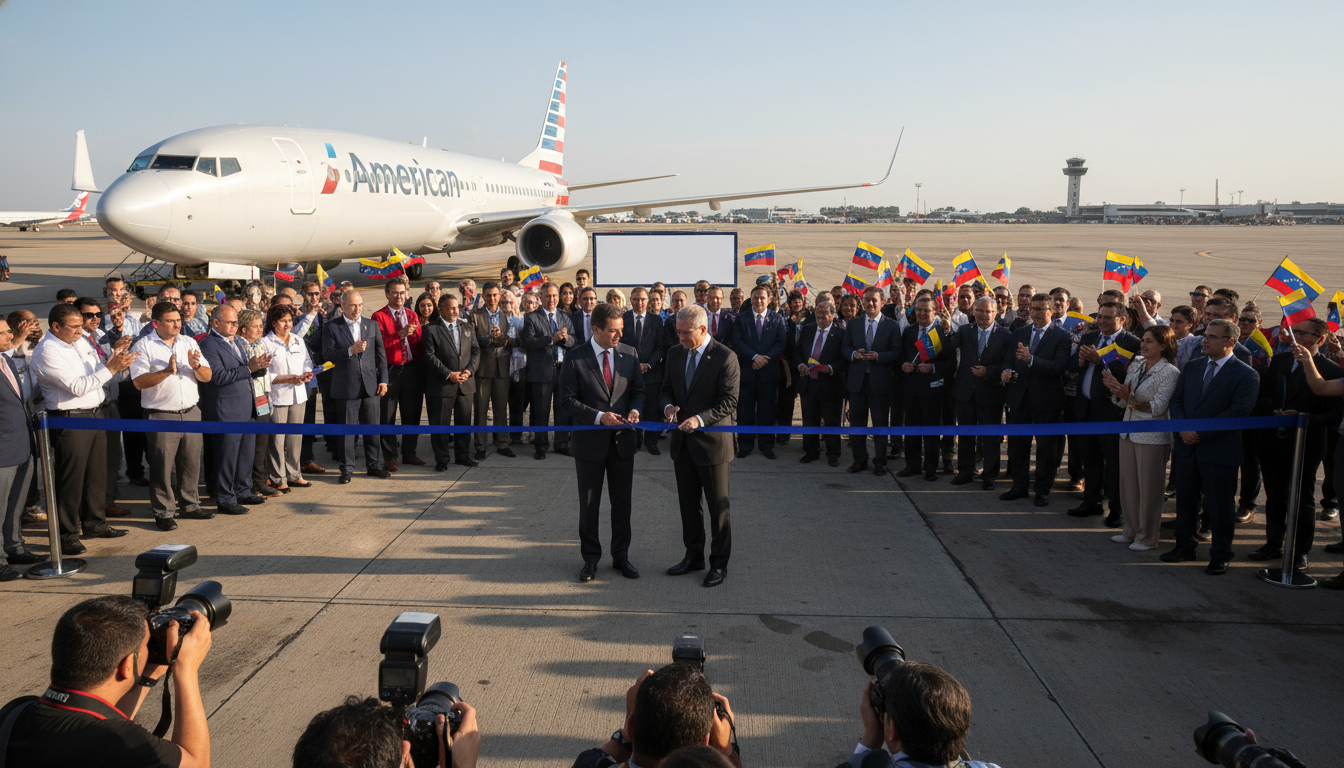
Direct flights between the U.S. and Venezuela resume after seven-year pause
Direct flights between the U.S. and Venezuela resumed on April 30, 2026, as American Airlines restarted nonstop Miami–Caracas service, ending a seven-year suspension.
Flight 3599 Restores Miami–Caracas Link
American Airlines flight 3599 departed Miami for Caracas on April 30, 2026, marking the first nonstop commercial service between the United States and Venezuela since 2019. The flight returned a direct air connection that had been suspended amid policy and diplomatic shifts in recent years.
Airport officials and passengers described the departure as a tangible change in bilateral ties, with crews and travellers noting the symbolic importance of a resumed nonstop route between the two capitals. The aircraft’s arrival in Caracas was greeted by officials who framed the service as a practical step toward broader engagement.
Seven-Year Suspension and Policy Background
Direct commercial and cargo flights between the United States and Venezuela were effectively halted in 2019 when the Trump administration imposed restrictions on scheduled air links. The suspension remained in place through subsequent years as diplomatic relations between Washington and Caracas were strained.
The resumption on April 30 ends a roughly seven-year interruption in nonstop service, returning a route that had been heavily used by business travellers, Venezuelan expatriates and cargo carriers prior to the break. Analysts say the restart reflects a period of policy recalibration and renewed talks between the two governments.
Official Statements and Diplomatic Significance
Venezuelan officials hailed the restoration of the Miami–Caracas connection as evidence of renewed recognition and practical cooperation between the countries. A government statement called the air link “a concrete and verifiable expression” of a new phase in bilateral relations.
U.S. officials framed the reopening of the route as a resumption of commercial ties that could facilitate trade and movement for families and businesses. Both sides emphasized that regular flights would allow for closer economic and people-to-people links while subject to ongoing regulatory and security oversight.
Economic and Commercial Implications
Industry observers expect the return of nonstop flights to quickly affect cargo flows, remittances and tourism between the United States and Venezuela. Carriers and logistics firms will likely evaluate demand and adjust capacity, with initial services focused on established corridors such as Miami–Caracas.
Restored air service could lower costs and travel time for passengers and shippers, creating near-term opportunities for trade in permitted goods and easing travel for Venezuelans with family ties in the United States. Airlines have signalled that they will monitor booking trends and regulatory requirements before committing to expanded schedules.
Operational Details and Passenger Experience
American Airlines operated the inaugural nonstop as a scheduled service with the standard security and customs procedures at both departure and arrival airports. Passengers on the flight reported mixed emotions — relief at having a direct link and cautious optimism about the route’s sustainability.
Travel advisories and entry requirements remain subject to the usual diplomatic and consular guidelines, and officials urged travellers to confirm documentation and health requirements before booking. Airport and airline staff said enhanced coordination between U.S. and Venezuelan authorities has been necessary to restart routine processing for commercial operations.
Potential Next Steps in Bilateral Relations
Observers caution that while the air link is a visible milestone, broader normalization of ties will depend on follow-up actions in diplomacy, trade policy and consular services. The restoration of direct flights is likely to be measured alongside other indicators such as reciprocal diplomatic moves and regulatory cooperation.
For now, the resumption of nonstop Miami–Caracas service provides a practical channel for people and goods and will serve as an early test of how quickly deeper economic and travel links can be rebuilt after years of limited contact.
The renewed route, inaugurated on April 30, 2026, is expected to prompt close monitoring by airlines, governments and travellers as they assess demand, safety and regulatory alignment in the months ahead.
