
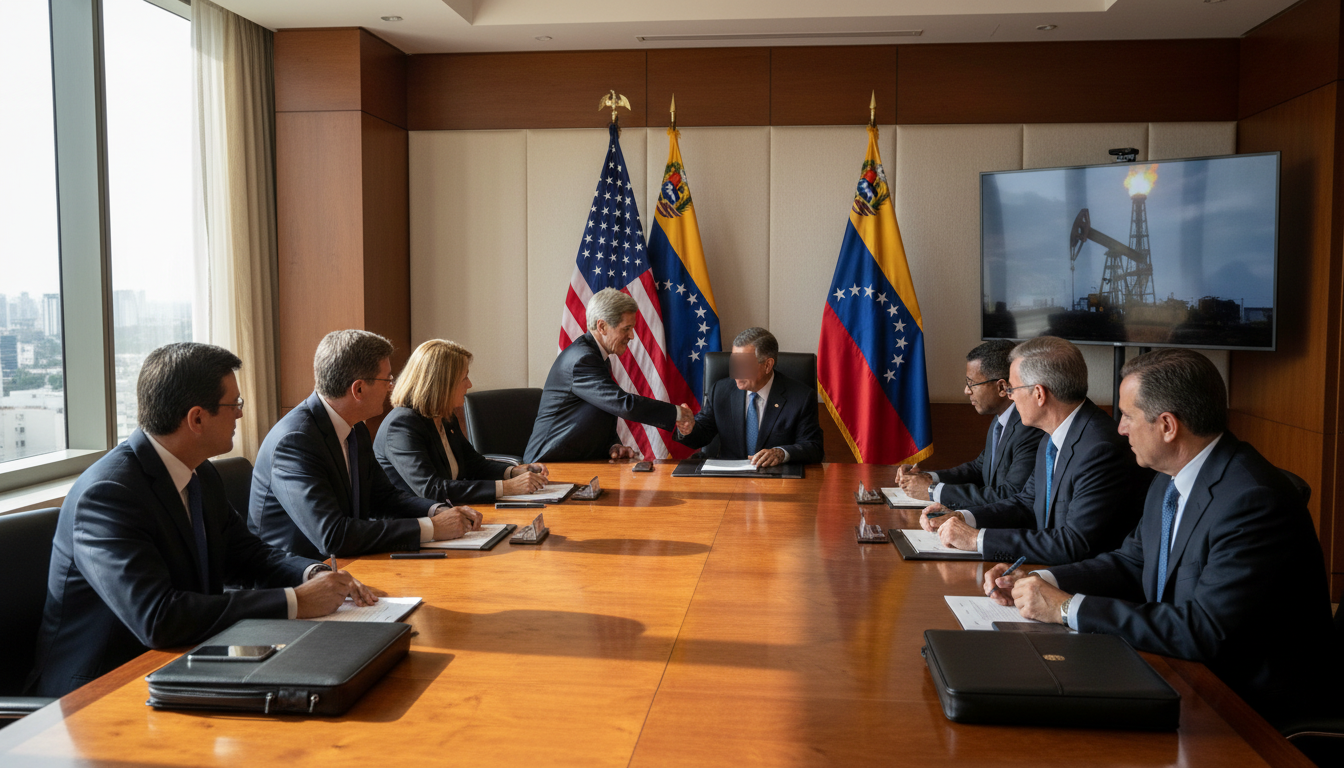
U.S. officials visit Venezuela after first direct flight since 2019
U.S. officials visit Venezuela after the first direct flight since 2019, a move that signalled renewed engagement on May 1, 2026 and placed energy and diplomacy at the top of the agenda.
The arrival of a U.S. delegation in Caracas on May 1, 2026 followed the restoration of a direct commercial air link between Washington and Caracas for the first time since 2019. The visit, described by a White House adviser with the phrase “drill, baby, drill,” emphasised energy cooperation amid cautious diplomatic outreach. Officials framed the trip as part of a pragmatic effort to re-engage with Venezuelan authorities on issues ranging from oil production to regional stability.
Direct commercial link restored
The direct flight that brought the delegation to Caracas marked a symbolic reset in ties severed after diplomatic relations frayed in 2019. Air travel resumed after arrangements that U.S. and Venezuelan officials described as logistical and political milestones, enabling higher-level contact that had been limited for years. For many observers, the flight itself was as notable as the discussions it enabled, signaling both capitals’ willingness to re-open practical channels.
White House message and energy emphasis
Members of the U.S. delegation stressed a core message focused on energy development and economic opportunity, with a White House adviser summing that priority with the now-noted phrase “drill, baby, drill.” That slogan was presented not as rhetoric but as shorthand for boosting production, addressing supply chains and exploring ways to stabilise energy markets. U.S. officials said the talks would examine how to balance commercial interests with governance, environmental concerns and existing sanctions regimes.
Delegation composition and agenda
The visiting team included officials with portfolios tied to energy, trade and regional policy, reflecting a cross-agency approach to engagement. Delegates outlined conversations that combined technical exchanges with diplomatic consultations, signalling an effort to build back institutional relationships. The agenda reportedly covered oil production logistics, safety and regulatory matters, as well as channels for future dialogue on migration and narcotics trafficking.
Venezuelan response and domestic framing
Venezuelan authorities welcomed the visit as an opportunity to demonstrate sovereignty and to draw investment and technical assistance to the country’s energy sector. State officials framed the arrival as a step toward normalising ties and alleviating economic pressure, while domestic political actors used the moment to justify ongoing efforts to attract foreign capital. At the same time, opposition figures and civil society organisations expressed scepticism, urging transparency and insisting that any engagement respect human rights and institutional reforms.
Regional diplomatic implications
Analysts say the visit could recalibrate diplomatic dynamics across Latin America by creating new openings for cooperation on migration, trade and security. For neighbouring countries and regional blocs, reduced tensions between Washington and Caracas may ease bilateral friction and allow multilateral mechanisms to address cross-border challenges. Conversely, the move could prompt recalculation among external actors with interests in Venezuela’s energy sector.
Sanctions, market uncertainty and commercial prospects
While the discussions signalled a willingness to talk, existing sanctions and legal constraints remain central to how quickly commercial projects could move forward. Companies and investors watching the developments will weigh legal risks against potential returns if regulatory obstacles are resolved. Any shift toward deeper commercial engagement will require concrete, verifiable changes in policy and governance before large-scale projects can proceed.
The May 1, 2026 visit represents a pragmatic opening rather than a full diplomatic thaw, and officials on both sides described the talks as exploratory and technical in nature. Observers will be watching for subsequent exchanges, formal statements and any adjustments to sanctions or regulatory frameworks that would indicate a longer-term policy shift.
