
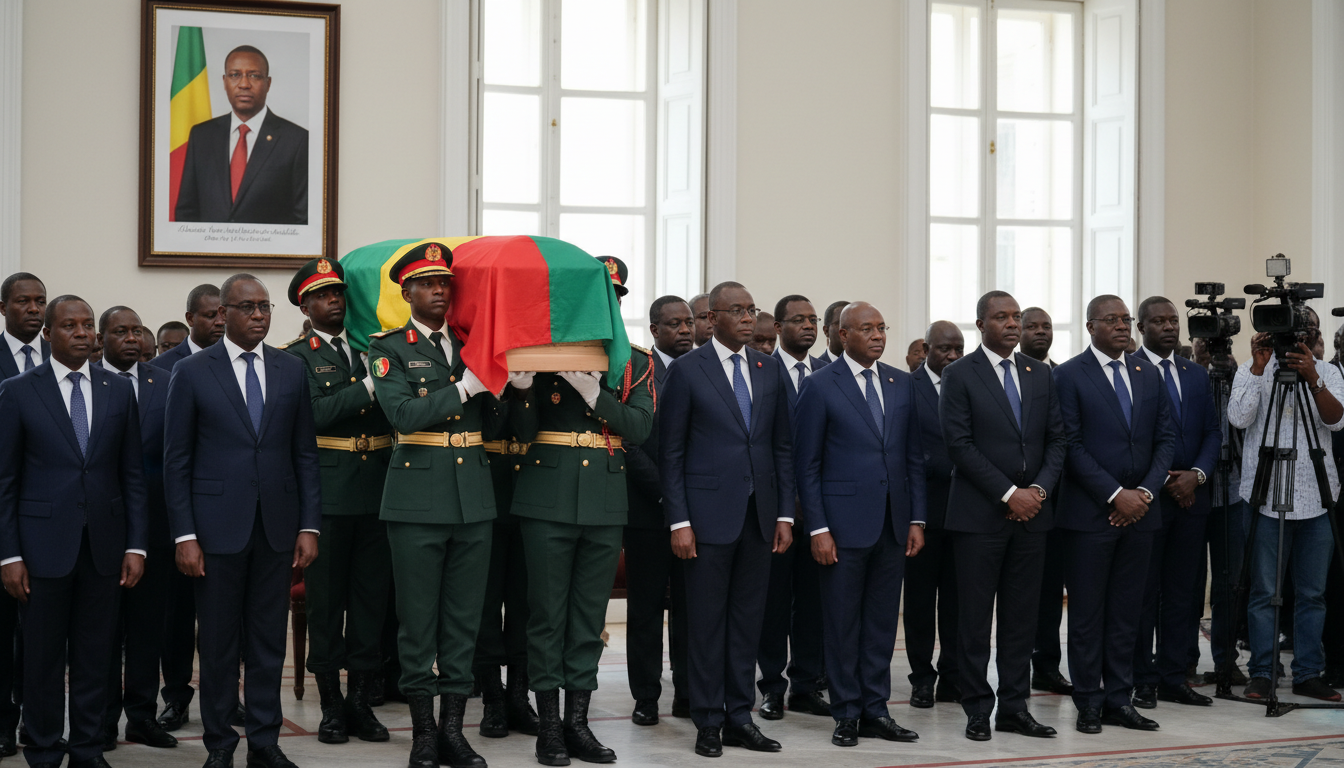
Mali’s defense minister killed in weekend Islamist attacks linked to Al Qaeda
Mali’s defense minister was killed in Islamist attacks over the weekend, government officials said, deepening a crisis amid a long-running insurgency in the Sahel.
Mali’s defense minister was killed in attacks over the weekend of April 25–26, 2026, the government said, in strikes it attributed to militants linked to Al Qaeda. The announcement on April 27 confirmed the death and identified the assailants only as Islamist militants with ties to the extremist network, without providing the minister’s name or the precise locations of the incidents.
Government statement and official confirmation
A government spokesman delivered the initial confirmation, saying the minister died as a result of coordinated assaults carried out by armed groups tied to Al Qaeda-affiliated networks. Officials characterized the attacks as part of a broader campaign of violence that has targeted military and civilian sites in recent months.
Authorities have not released a full account of the circumstances surrounding the killing, including whether the minister was traveling with a convoy, at a military facility, or targeted in a remote operation. The statement left open key operational details while calling for national unity and vigilance in response to the strikes.
Attacks attributed to militants linked to Al Qaeda
The government attributed the weekend violence to militants it described as linked to Al Qaeda, reflecting long-standing concerns about extremist groups operating in Mali and the wider Sahel. Those groups have repeatedly carried out ambushes, complex assaults and improvised explosive device attacks against security forces and civilian populations.
Labeling the attackers as Al Qaeda-linked underscores how the conflict in Mali remains entangled with transnational extremist networks that have exploited governance gaps and fractured local alliances. The attribution also raises questions about the militants’ capabilities to strike high-profile military targets.
Security context and recent trends in the Sahel
Mali has faced a persistent Islamist insurgency since 2012, when armed groups seized large areas in the north before being pushed back by international forces. Violence has since spread, creating a patchwork of contested zones and periodic surges of attacks against state institutions and armed forces.
In recent years, the conflict has been marked by shifting alliances and a proliferation of armed groups, complicating efforts to restore state authority. The killing of a defense minister represents a significant escalation in the list of high-profile targets and will likely be seen as a setback for the government’s security strategy.
Potential impact on military operations and command
The death of a defense minister could disrupt planning and command structures at a critical moment for Mali’s armed forces. Losses among senior leadership often force interim reorganizations, slow operational momentum and raise questions about intelligence and force protection measures.
Military officials will need to move quickly to stabilize command arrangements while reassessing security protocols for senior personnel and sensitive facilities. The incident may prompt changes in how senior officers travel and operate in the field, and could influence the tempo of upcoming operations against militant strongholds.
Regional and international implications
Mali’s insecurity has long been a regional concern, prompting involvement from neighboring states and international organizations seeking to curb cross-border extremist activity. The killing of a senior defense official is likely to reverberate beyond Mali’s borders and could trigger renewed diplomatic engagement on security assistance and coordination.
Partners who have offered training, logistics and political backing will face pressure to respond with concrete measures or statements condemning the attack. At the same time, external actors will weigh the risks of deeper involvement as Mali confronts a persistent insurgency and fragile governance.
Unanswered questions and next steps for authorities
Key questions remain about the precise circumstances of the minister’s death, the identity and local ties of the attackers, and whether the strikes were part of a coordinated campaign targeting multiple locations. Officials have pledged investigations, but timelines and independent verification are pending.
Authorities will need to provide clearer information to build public confidence and to allow regional and international partners to assess the scale of the threat. Transparency about the incident and the steps taken afterward will be crucial for restoring trust in security institutions and deterring further attacks.
The killing highlights the enduring challenge that extremist violence poses to Mali’s stability and the broader Sahel, and it will shape the immediate political and military response in the days and weeks ahead.
