
Iran says Strait of Hormuz will stay closed while US naval blockade continues
Iran says the Strait of Hormuz will stay closed while a US naval blockade persists, rejecting a full ceasefire and complicating talks and regional oil stability.
Iranian officials on Wednesday rejected calls for a full ceasefire unless the United States lifts what Tehran calls a naval blockade on its ports and ends measures that have effectively closed the Strait of Hormuz, framing the blockade as the central barrier to meaningful negotiations. Parliament Speaker Mohammad Bagher Ghalibaf and President Masoud Pezeshkian both argued that diplomacy cannot proceed under pressure and that the maritime siege constitutes a breach of the ceasefire terms agreed earlier in the month. The stance deepens an impasse after a two-week truce came into effect on April 8 and was extended, with Iranian leaders saying they will not submit to what they described as “bullying” by Washington.
Iran links ceasefire to end of naval blockade
Parliament Speaker Mohammad Bagher Ghalibaf said the concept of a complete ceasefire is meaningless while a naval blockade on Iranian ports remains in place and while, he said, the world’s economy is held hostage by maritime seizure. Ghalibaf, who has been involved in negotiations, made his comments on social media, arguing that the United States and Israel would not achieve their objectives through pressure or military aggression. President Masoud Pezeshkian echoed that view, calling for dialogue rather than coercion and saying breaches of commitments and threats undermine any genuine negotiation process. Iranian officials have set the lifting of the blockade as a precondition for attending talks scheduled by mediators.
Diplomatic mediators and the extended truce
The two-week truce that took effect on April 8 was extended after Pakistani mediators intervened, but Tehran declined to attend scheduled talks in Pakistan while the blockade continued, according to Iranian diplomats. Amir-Saeid Iravani, Iran’s ambassador to the United Nations, told reporters that breaking the siege is necessary before serious negotiations can resume and reiterated Iran’s willingness to seek a political solution if pressure is removed. The extension of the truce came amid conflicting signals from Washington about the duration and conditions of the pause, and Tehran’s absence from the table has stalled a pathway to broader agreement. Mediators say progress depends on trust-building steps that neither side has yet fully implemented.
US statements and presidential messaging
President Donald Trump said he would extend the truce but simultaneously indicated the US naval blockade would remain in place as leverage in future talks, making clear the United States sees maritime pressure as a bargaining tool. White House spokeswoman Karoline Leavitt denied media reports that a strict short deadline had been set and said the president determines the timetable for the conflict, adding that Trump believes the blockade has weakened Iran’s position. The US public messaging has included claims the Iranian military-industrial base was severely damaged during the conflict, while Iranian authorities continue to report daily missile and drone capabilities and strikes launched during earlier phases of the war. Those competing narratives have hardened bargaining positions and complicated behind-the-scenes diplomacy.
Maritime incidents in the Strait of Hormuz
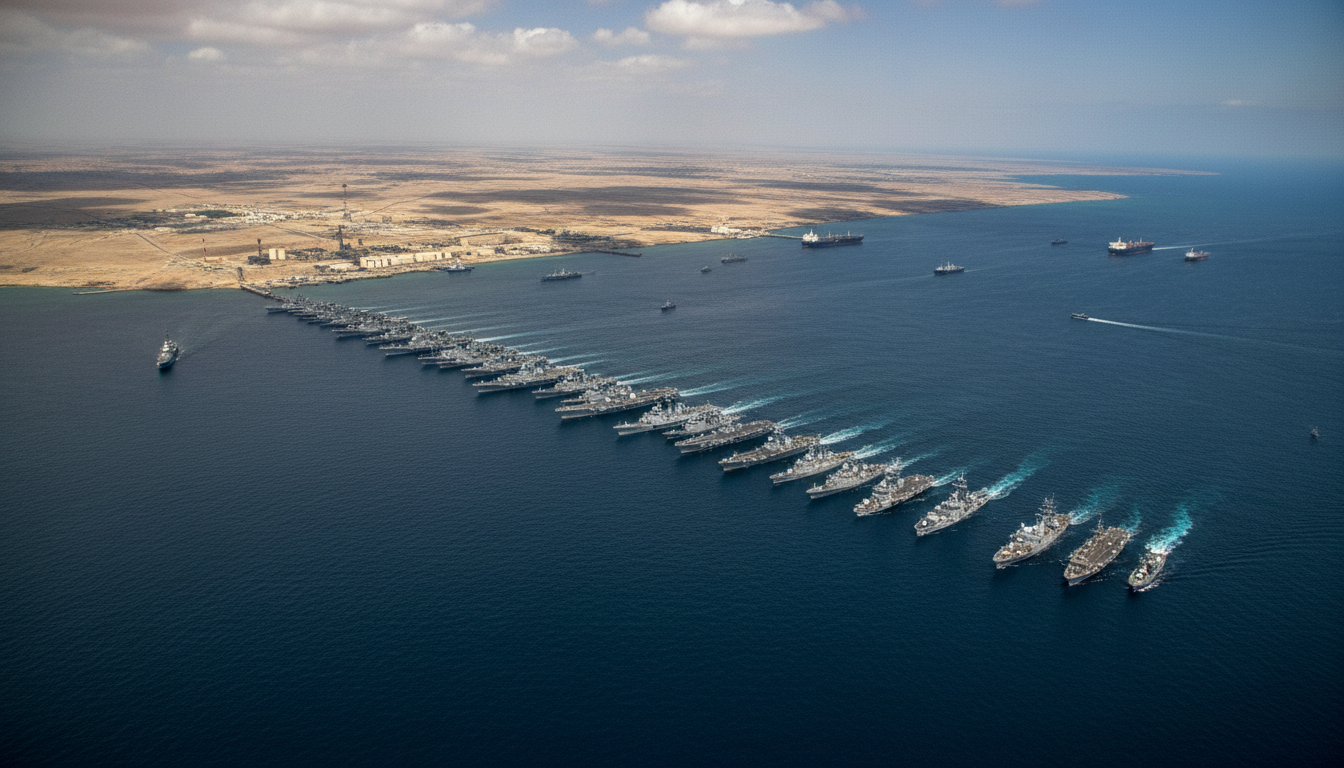
The naval standoff has led to seizures and confrontations at sea, with the US military reporting the capture of at least one Iranian vessel and Iran’s Islamic Revolutionary Guard Corps saying it detained two foreign commercial ships for alleged violations of maritime regulations. Tehran closed the Strait of Hormuz early in the war, a move that spiked global oil prices and tightened regional supply fears, and agreed to a temporary reopening as part of the initial truce before reversing course when the blockade remained. Shipping firms and insurers have warned of continued disruption, and maritime traffic has been unpredictable as businesses await clarity on whether the waterway will remain open. The pattern of captures and detentions has become a recurring flashpoint that could trigger renewed military responses.
Humanitarian and political fallout
The conflict has produced significant civilian casualties and the deaths of senior officials, prompting both Tehran and its adversaries to claim strategic gains while analysts warn of long-term damage to regional stability. Iran’s leaders have pointed to executions and detainee cases as leverage in their public diplomacy, and President Trump publicly claimed that the execution of several female dissidents had been halted at his request. Human rights groups and foreign governments have expressed concern about detainees and the treatment of civilians, and the fluctuating ceasefire has left businesses and communities uncertain about the security environment. Observers say that without concrete confidence-building measures and third-party verification, political distrust will continue to impede meaningful de-escalation.
The continued closure of the Strait of Hormuz, sustained maritime seizures and uncompromising public positions from both Tehran and Washington suggest the crisis remains fragile, with the potential to resume into open hostilities if either side escalates. While mediators press for a negotiated settlement, Iranian officials maintain that lifting the naval blockade and honoring ceasefire terms are non-negotiable preconditions for talks, leaving the region in a precarious state as diplomats seek a path back to sustained calm.
