
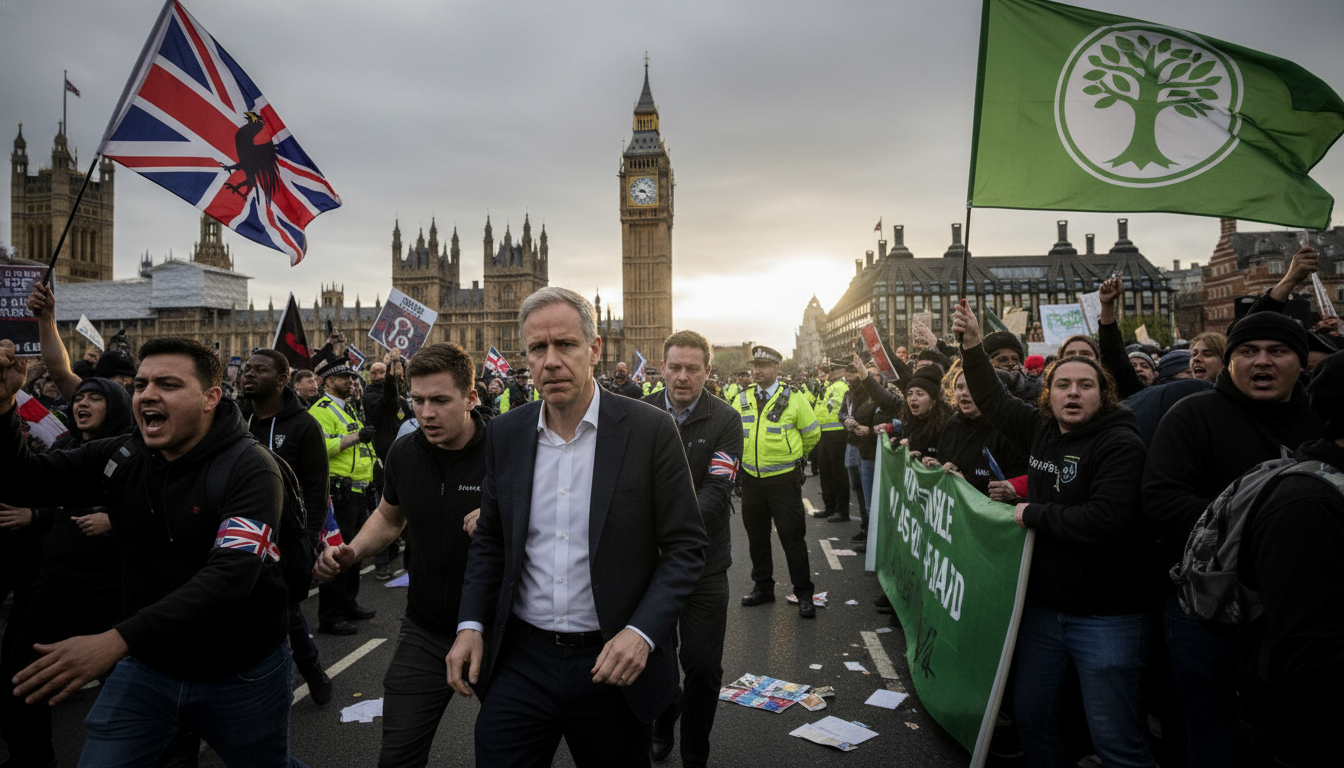
UK local elections deliver a decisive test of Keir Starmer’s government
UK local elections on May 7, 2026 pit Labour under Keir Starmer against rising populist and green challengers across England, Scotland and Wales.
Millions of voters across England, Scotland and Wales went to the polls on 7 May 2026 in UK local elections that many analysts cast as the first major test of Prime Minister Keir Starmer’s government since 2024.
The ballots cover roughly 5,000 local council seats, a suite of mayoral contests and devolved seats in Scotland and Wales, with results expected to roll in overnight and into Friday.
Voting across England, Scotland and Wales
Polls opened at 7:00 a.m. local time and closed at 10:00 p.m., with local authorities conducting counts as soon as ballots were sealed.
Electors faced a mix of electoral systems; first-past-the-post remains dominant in many English contests while single transferable vote and proportional systems apply in parts of the devolved nations.
Scale of the contest and what’s at stake
The elections will determine control of councils that deliver day-to-day services from housing to waste collection and influence regional economic priorities.
Several high-profile mayoral races in English cities and seats in the Scottish Parliament and Senedd add national consequence to what are traditionally local contests.
Pressure on Keir Starmer and the Labour government
Starmer’s administration enters the vote under persistent economic headwinds, with households contending with a cost-of-living squeeze and elevated energy costs linked to global conflicts.
Recent political controversies have intensified scrutiny of senior figures and fed a narrative of vulnerability that opposition and smaller parties have seized upon in campaign messaging.
Surge in support for smaller and populist parties
Opinion polls in the run-up to the vote showed rising backing for non-traditional parties, with both environmentalist and right-wing populist forces projected to pick up seats.
Greens and Reform-style movements have targeted local wards and mayoral ballots, arguing that mainstream parties have failed to address bread-and-butter concerns and broader national questions alike.
How the voting system and turnout shape results
Under first-past-the-post in many English wards, candidates need only a plurality to win, a factor that can amplify swings and produce headline-making gains with relatively small changes in vote share.
Turnout patterns and the geographic distribution of support will therefore be decisive, with parties seeking strong showings in areas where their vote is concentrated rather than broadly dispersed.
Implications for the wider British political landscape
A significant shift away from the two-party norm could accelerate realignments within Westminster politics and complicate policymaking for the government.
Losses at the local level would constrain Labour’s ability to demonstrate delivery on public services and could embolden rivals ahead of future national votes.
The counting process is expected to deliver a staggered flow of results overnight, with some councils declaring early and others not until Friday, giving parties and pundits time to parse geographic trends.
While local ballots focus on community issues, the political reading of these outcomes will be cast as a referendum on national leadership and strategy, with consequences that may reverberate well beyond council chambers.
