
Butterfield Acres reopens in Calgary after cryptosporidium outbreak
Butterfield Acres reopens in Calgary after a cryptosporidium outbreak; five cases confirmed and the farm implemented cleaning, testing and visitor precautions.
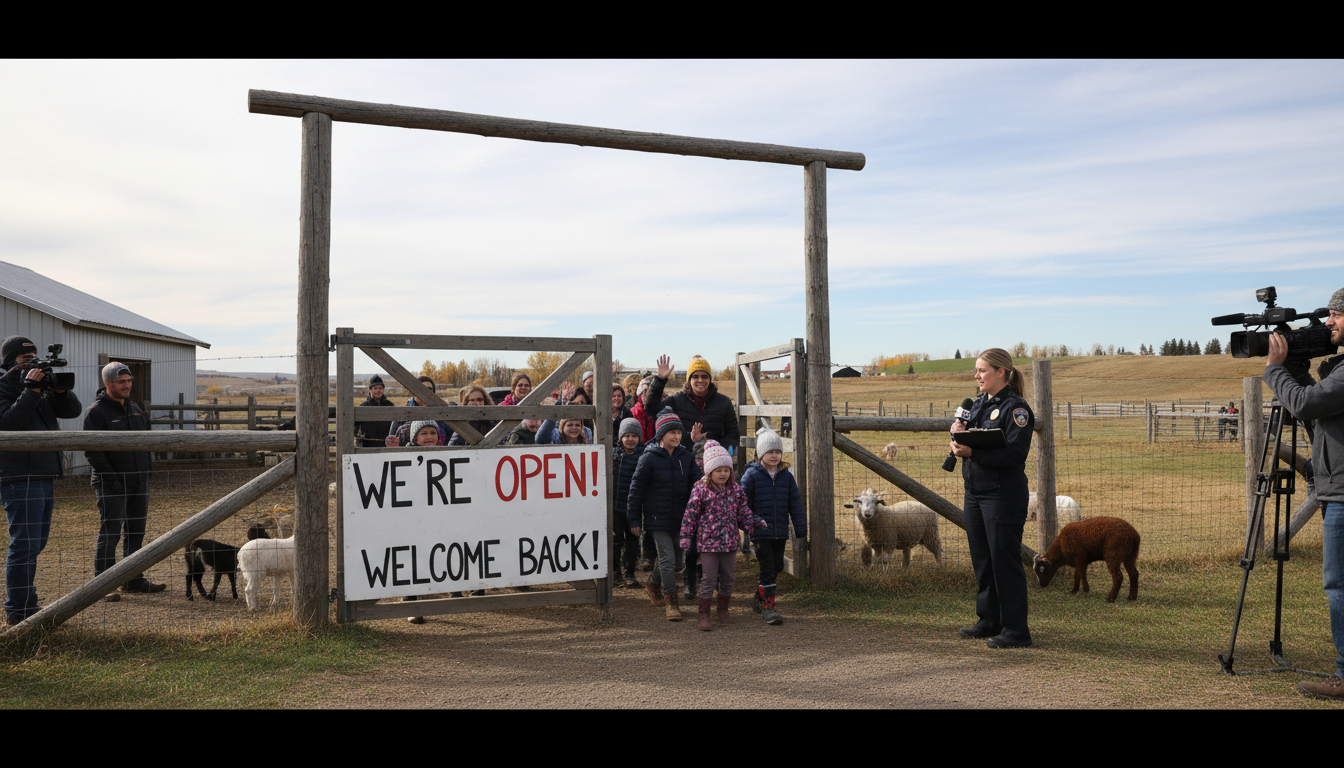
Butterfield Acres, a popular Calgary petting farm, reopened to the public on April 29, 2026, after a voluntary closure prompted by a cryptosporidium outbreak that sickened several staff and led health officials to investigate. The farm temporarily closed from April 26 to April 28, 2026, while Alberta Health Services and on‑site staff conducted inspections and remediation. Five people have tested positive in connection with the outbreak, and farm managers say they have completed disinfection steps before allowing visitors back on site.
Closure, reopening and immediate response
The farm announced a voluntary shutdown late on April 26, 2026, after staff members developed gastrointestinal symptoms and two workers who had recently travelled overseas received positive test results for cryptosporidium. Staff and management say the decision to close was made immediately once the positive tests were confirmed on Sunday, April 28, 2026, to allow for a full public health inspection and remediation. Alberta Health Services sent a Public Health Inspector to the property and worked with a veterinarian to assess animal health and guide disinfection efforts.
Upon reopening on Wednesday morning, April 29, 2026, Butterfield Acres posted signage across the property and provided information pamphlets to visitors supplied by health authorities. Staff are asking guests to follow enhanced hygiene measures, including thorough handwashing after handling animals and after leaving animal areas. The farm has limited public access to affected pens and animals while continuing to monitor the situation in coordination with public health officials.
Health confirmations and reported cases
Alberta Health Services confirmed that five individuals have tested positive for cryptosporidium in relation to the farm outbreak, and that the public health investigation remains active. Cryptosporidiosis typically causes watery diarrhea, fever, nausea, vomiting, abdominal pain and weight loss, and symptoms usually appear between two and ten days after exposure. Health officials emphasized that most people recover without specific medical treatment but warned that immunocompromised individuals can experience more severe or prolonged illness.
Officials advised anyone who visited Butterfield Acres on or after April 9, 2026, to be alert for symptoms and to contact Health Link or a health care provider if they develop gastrointestinal illness. The recommendation to notify health services applies particularly to visitors who are immunocompromised, elderly, very young, or pregnant, as these groups can be at greater risk of complications. Public health messaging accompanying the reopening stresses early medical advice for symptomatic visitors and continued vigilance around hand hygiene at the farm.
Source traced to a recently purchased calf
Farm management said their internal investigation and veterinary consultation traced the likely source of the outbreak to one of two twin bull calves purchased in March 2026 from a dairy farm. One of the calves tested positive for cryptosporidium and was humanely euthanized to prevent further risk; the surviving twin was placed in isolation pending additional testing and monitoring. Butterfield Acres indicated that the calves had been introduced to the property without prior testing, a practice the farm now intends to change.
The farm manager described the identification of the infected calf as the “lightbulb moment” that connected staff illnesses and underscored how animal movement can introduce pathogens. According to the farm, the dairy from which the calves were purchased has been a longstanding supplier, and prior exchanges had not prompted concern, which contributed to the initial belief that no testing was necessary. Moving forward, Butterfield Acres said it will impose a quarantine period and conduct diagnostic testing for new animals before allowing them into the general population.
Remediation steps and public health oversight
Butterfield Acres carried out an extensive cleaning and disinfection program under the guidance of public health and veterinary officials, which included removing bedding, emptying and disinfecting pens, and treating fences and barn exteriors. Staff used personal protective equipment while cleaning, established designated disinfection zones, and applied both chemical disinfectants and controlled burning of affected ground surfaces where recommended by advisors. A Public Health Inspector visited the site to confirm remediation measures, and the farm reports that affected areas and animals are not accessible to the public.
The farm also said it worked directly with an Alberta Health Services veterinarian, who advised that, based on their assessment, there is no evidence of ongoing animal‑to‑animal transmission within the herd. Health authorities reiterated that handwashing with soap and water is the most effective means to interrupt the parasite’s transmission cycle after contact with animals or contaminated surfaces. Butterfield Acres has committed to following AHS recommendations for ongoing monitoring and to sharing guidance with all staff and visitors to reduce the likelihood of future transmission.
Visitor guidance, signage and on‑site precautions
Since reopening, Butterfield Acres has increased on‑site signage that explains the situation and instructs visitors on hygiene protocols, and staff are distributing Alberta Health Services pamphlets about cryptosporidium and handwashing. Visitors are being urged to wash hands thoroughly with soap and water after touching animals, before eating, and after leaving the animal area, and to supervise children closely to ensure this practice. The farm has also closed off the specific pen that housed the infected calf and restricted public access to other sensitive areas until further clearance.
Staff at the entrance are briefing arriving guests about the outbreak, the incubation period, and the signs and symptoms to watch for, and they are advising anyone who is immunocompromised or otherwise vulnerable to consider postponing a visit. Butterfield Acres has reconfigured certain interaction areas to reduce direct contact where feasible and has increased the availability of handwashing stations and sanitizing supplies. The farm’s approach aims to balance public access to the animals with clear, actionable steps to minimize health risks to visitors.
Biosecurity changes and future animal management
Butterfield Acres said it will institute stricter biosecurity measures for any animals brought to the property in the future, including isolation protocols, routine diagnostic testing of new arrivals, and documented health clearances from source farms. The manager indicated that previous experience with avian influenza in October 2025 helped the operation refine cleaning and disinfection techniques, and that those lessons informed the response to the cryptosporidium incident. The farm plans to work with veterinarians to develop a standard operating procedure for animal acquisitions that includes testing and quarantine timelines.
Staff training on disease recognition and outbreak response is being expanded to ensure early detection of symptoms in both people and animals, and to ensure rapid notification of public health authorities in any future incident. Butterfield Acres also intends to review supplier practices and may limit purchases to farms that provide pre‑export health screening or certified testing results. The farm emphasized that it does not routinely bring animals to the site from other locations, and any exceptions will be subject to the tightened protocols.
Public health officials note that cryptosporidium is highly resilient in the environment and can survive for extended periods in soil and on surfaces, which makes thorough cleaning and ongoing vigilance essential. The parasite can be transmitted through contact with contaminated feces from infected humans or animals, and it is not reliably killed by alcohol‑based hand sanitizers, which is why soap and water are recommended. Health guidance shared at the site highlights safe practices for families visiting animal areas and explains when to seek medical advice.
What visitors and caregivers should watch for
Symptoms of cryptosporidiosis can appear between two and ten days after exposure, and typically include watery diarrhea, abdominal cramps, nausea and fever; symptoms can persist for days to weeks in some cases. Health officials advise anyone who visited Butterfield Acres on or after April 9, 2026, and who develops these symptoms to contact Health Link or a primary health care provider for assessment and testing. Particular attention should be paid by parents and caregivers, because young children can be both more susceptible to infection and more likely to contaminate their environment through hand‑to‑mouth behaviours.
Those who are immunocompromised should consider consulting their health care professional even if symptoms are mild, as infections can be more severe in people with weakened immune systems and may require specific clinical management. Public health advice includes practicing diligent hand hygiene, avoiding eating in animal contact areas, supervising handwashing for children, and refraining from visiting farm attractions if experiencing gastrointestinal illness. The farm and authorities are asking visitors to report illness after visiting so public health can continue contact follow‑up and provide guidance as needed.
Butterfield Acres has also committed to transparent communication with the public and with health officials as the situation evolves, and visitors are encouraged to speak to on‑site staff if they have questions about current precautions. The farm said it will update its website and social channels with any changes to operations or further public health notifications, and it will maintain visible information at entry points for the foreseeable future. Local health authorities will determine whether additional surveillance or testing is required based on any new symptomatic cases or animal health changes.
The incident at Butterfield Acres underscores broader considerations for farm attractions that permit public contact with animals, including routine biosecurity, supplier screening, and clear visitor guidance. Petting farms and similar venues are valued community resources for education and recreation, but they also require layered controls to manage the inherent risk of zoonotic disease transmission. For families and caregivers, the practical steps of supervising children, insisting on handwashing, and avoiding eating in animal areas are simple but effective measures to reduce exposure risk.
As Butterfield Acres resumes public operations, the combination of veterinary oversight, public health inspection, targeted disinfection and improved animal intake practices aims to restore confidence and reduce future risks. The farm’s willingness to close voluntarily and to take immediate remedial action reflects an emphasis on public safety, and AHS involvement provides an additional layer of assurance for visitors. Continued adherence to the posted guidance and prompt reporting of any illnesses will be important to monitor the long‑term outcome of this outbreak.
The farm and health officials encourage anyone with questions or concerns about potential exposure after visiting on or after April 9, 2026, to contact Health Link or their primary care provider for advice and testing.
