
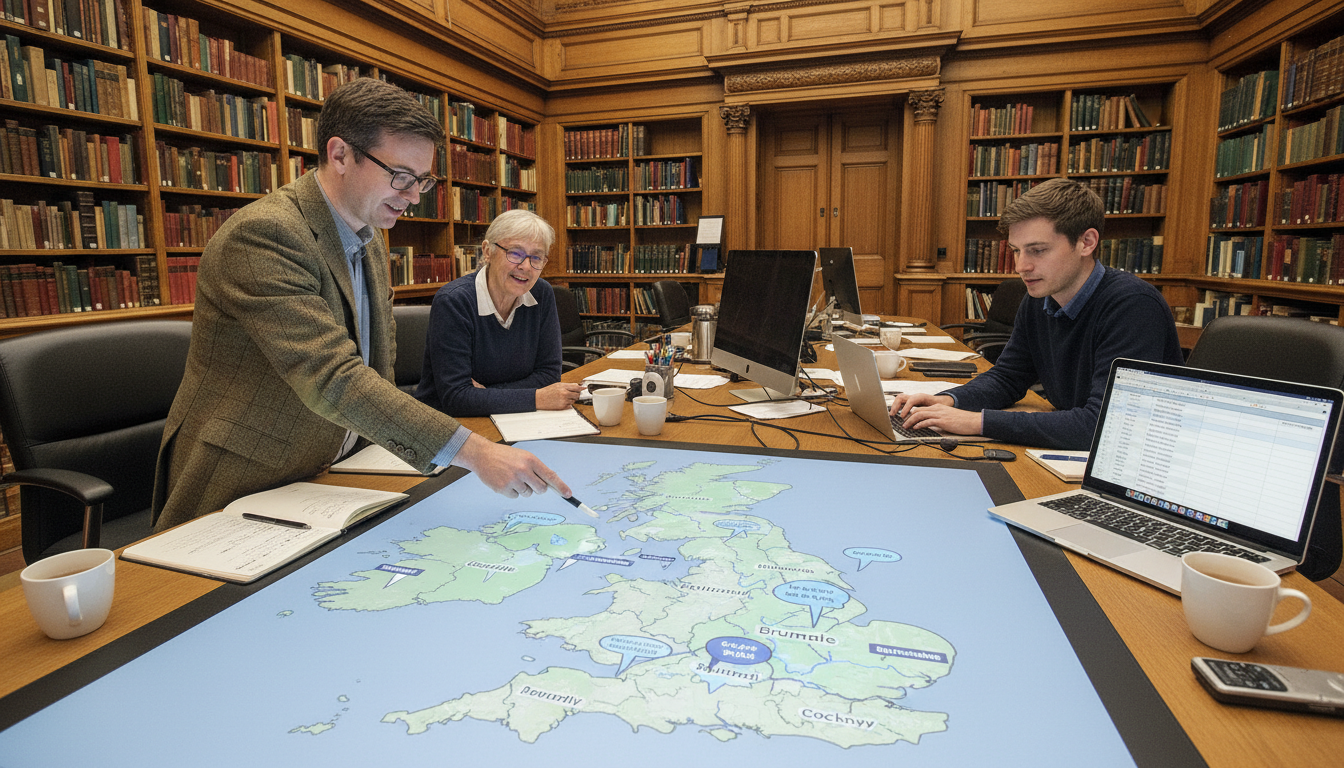
Researchers launch national hunt to map British insults and regional curses
University of Sheffield and Modern Toss ask Britain to submit regional British insults for a linguistic archive, preserving obscure curse words and local speech.
A University of Sheffield research team working with arts collective Modern Toss has opened a nationwide call for submissions of regional British insults and obscure swear words. The project aims to gather terms that make sense only within specific local communities and to capture the variety of vernacular invective across the country. Organizers say the effort will document linguistic creativity and preserve expressions that could otherwise fade from use.
Project partners and scope
The initiative is led by linguists at the University of Sheffield in partnership with Modern Toss, the arts group known for its interest in contemporary language and culture. Project leaders describe the collection as a way to record the breadth of insults used across Britain rather than to promote offensive speech. The team is seeking contributions from people in all regions to reflect dialectal differences and local slang.
The researchers are particularly focused on words and phrases that are little known outside their area of origin. They want lexical items that reveal how insults are formed by local history, occupation, and social ties. By casting a wide net, the project hopes to capture both single words and brief phrases that carry regional meaning.
Why regional insults matter to linguists
Linguists argue that regional insults are a window onto social identity and language change. Local swear words often preserve older vocabulary or creative morphological play that mainstream dictionaries overlook. These expressions can show how communities adapt language to mark belonging or to signal social distance.
Beyond cataloguing rude vocabulary, the research highlights how insults encode cultural references and sound patterns unique to particular places. Specialists say that studying British insults alongside neutral regional vocabulary provides a fuller picture of how dialects evolve and interact with national speech.
Methods and intended uses for the archive
Organizers plan to record submissions alongside context about where and how terms are used, though the project has not announced final archiving formats. The research team intends to document pronunciation, usage examples, and any anecdotal history contributors provide to ensure entries carry social and linguistic detail. The collection could later inform academic studies, teaching resources, and public exhibitions.
The team has also indicated that preserving obscure insults may support creative outputs such as performances and art projects that explore language. Modern Toss’s involvement points to an interest in connecting archived material with contemporary cultural practice while keeping contributors’ identities confidential when requested.
Public participation and ethical considerations
Researchers encourage people across Britain to send in examples but stress the need for context and explanation rather than single words in isolation. The project asks contributors to note where a term is used, who uses it, and whether it is considered humorous, derogatory, or affectionate in local speech. This contextual information helps linguists understand register and social function.
Ethical safeguards are part of the design, with the team seeking to avoid amplifying language that targets protected groups. Submissions that raise concerns about hate speech will be handled according to the project’s review procedures. Contributors are being asked to provide anecdotes or short usage notes to help researchers place each item in its social setting.
What the project reveals about language and identity
The collection effort underlines how insults form a living part of dialects and local identity in Britain. Regional British insults often derive from occupational slang, historical rivalries, or playful morphological innovations that resist standardisation. Recording these terms provides evidence of local ingenuity in shaping expressive vocabulary.
Researchers say that such a project can also challenge assumptions about politeness and profanity by showing how context and local norms determine whether a word offends. What is a harsh insult in one town may be a mild tease in a neighboring community, and the archive aims to document these subtle distinctions.
Early contributors have already pointed to terms rooted in rural trades and seaside speech as examples of vocabulary at risk of disappearing. The team expects further submissions to expand the geographic range and thematic diversity of the archive as word-of-mouth and local media coverage prompt participation.
Organizers stress that the project is not an endorsement of offensive language but an exercise in linguistic preservation. They frame the work as recording cultural heritage that offers scholars and the public a richer understanding of regional speech.
The team invites anyone with knowledge of local insults, rare curse words, or anecdotal stories about regional expressions to take part and help map the informal language that shapes everyday social life.
