
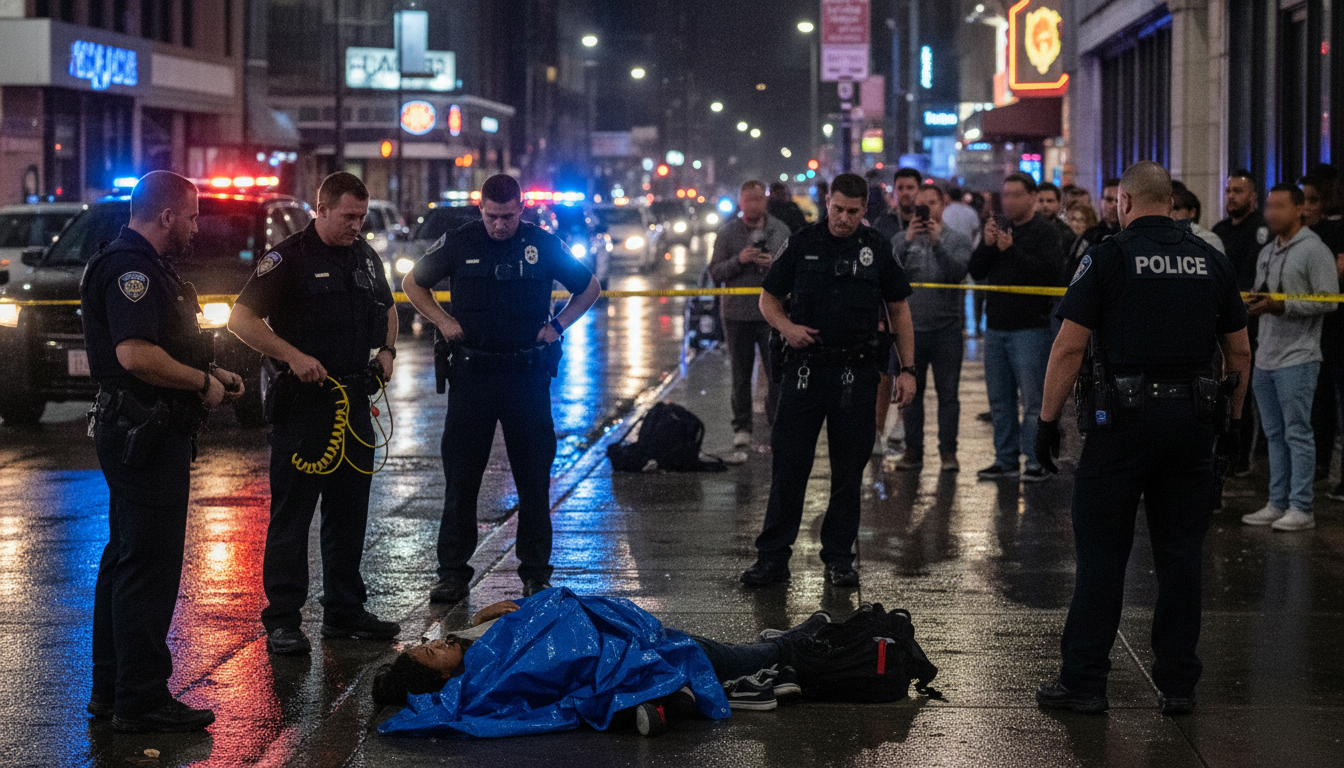
Man Dies After Police Use of Stun Device During Arrest
A man was taken to hospital and later died after officers used a stun device while trying to take him into custody, police said. The use of a stun device is at the centre of the incident and authorities say the suspect became combative and did not follow police directions.
Arrest attempt and stun device deployment
Police said officers located the suspect and moved to place him under arrest after establishing his identity at the scene. According to the police account, the man “became combative and did not comply with police directions,” prompting officers to use force to restrain him.
At least one officer deployed a stun device during the encounter, the police statement said. The device — described by authorities as a tool intended to subdue a resisting person — was followed shortly by the man showing signs of medical distress.
On-scene medical response and hospital transfer
Emergency medical personnel were called to the scene after officers reported the man was in medical distress. He was transported to hospital for treatment, where police later confirmed he died.
Officials have not provided further detail on the timeline of medical care or the precise circumstances of the transfer. Police did not immediately identify the hospital or release the man’s name while next-of-kin notifications and legal requirements are handled.
Police public statement and remaining questions
In a brief statement, the police described the sequence of events and acknowledged the use of the stun device during the arrest attempt. The statement said the man became combative and that officers acted to take him into custody, but it offered few additional specifics about the interaction.
Police did not immediately confirm whether officers were wearing body-worn cameras, whether any footage exists, or if additional witnesses were present. Those details are central to understanding the conduct of the officers and the circumstances that led to the man’s medical distress, and they remain unanswered in the public record.
Oversight agencies and potential probe
Deaths that occur during or after police contact commonly attract review from independent oversight bodies in Canada, and family members or community groups often seek an external investigation. It was not immediately clear whether an independent civilian agency had been notified or would take charge of a probe in this case.
Authorities typically refer such incidents to provincial oversight offices or coroners to determine whether criminal charges, administrative action, or policy changes are warranted. The outcome of any independent review will hinge on available evidence, including medical reports and any recorded footage of the incident.
Context on stun devices and police practice
Stun devices — often called conducted energy weapons — are described by police services as less-lethal tools intended to incapacitate a person who poses an immediate safety risk. Their deployment policies vary between forces and are usually governed by use-of-force frameworks that emphasize de-escalation and proportionality.
While proponents say these devices reduce the need for more injurious force, critics warn they can carry health risks and should be used only when strictly necessary. The debate over their safety and oversight has been amplified in cases where people have suffered medical distress or died after contacts with police.
Community response and information demands
Incidents involving police use of force and subsequent deaths routinely generate calls for transparency from local residents and advocacy groups. Community leaders often ask that authorities release facts quickly and allow independent investigators access to records and footage to ensure accountability.
Family members of the deceased and civil liberties advocates are likely to seek clarity about what happened, why force was used, and what steps will follow. Clear communication from police and independent investigators will be crucial to address public concern and to explain the investigative process.
Authorities have confirmed the basic facts: officers located the suspect, he became combative, a stun device was used, he was taken to hospital and later died. Many key details remain to be released as investigators and oversight bodies review medical reports, police actions and any available recordings of the incident.
