
Meta Removes Instagram AI Feature That Let Users Modify Public Photos
Meta removes Instagram AI feature that generated images from public accounts, citing feedback and consent concerns after swift user and agency backlash.
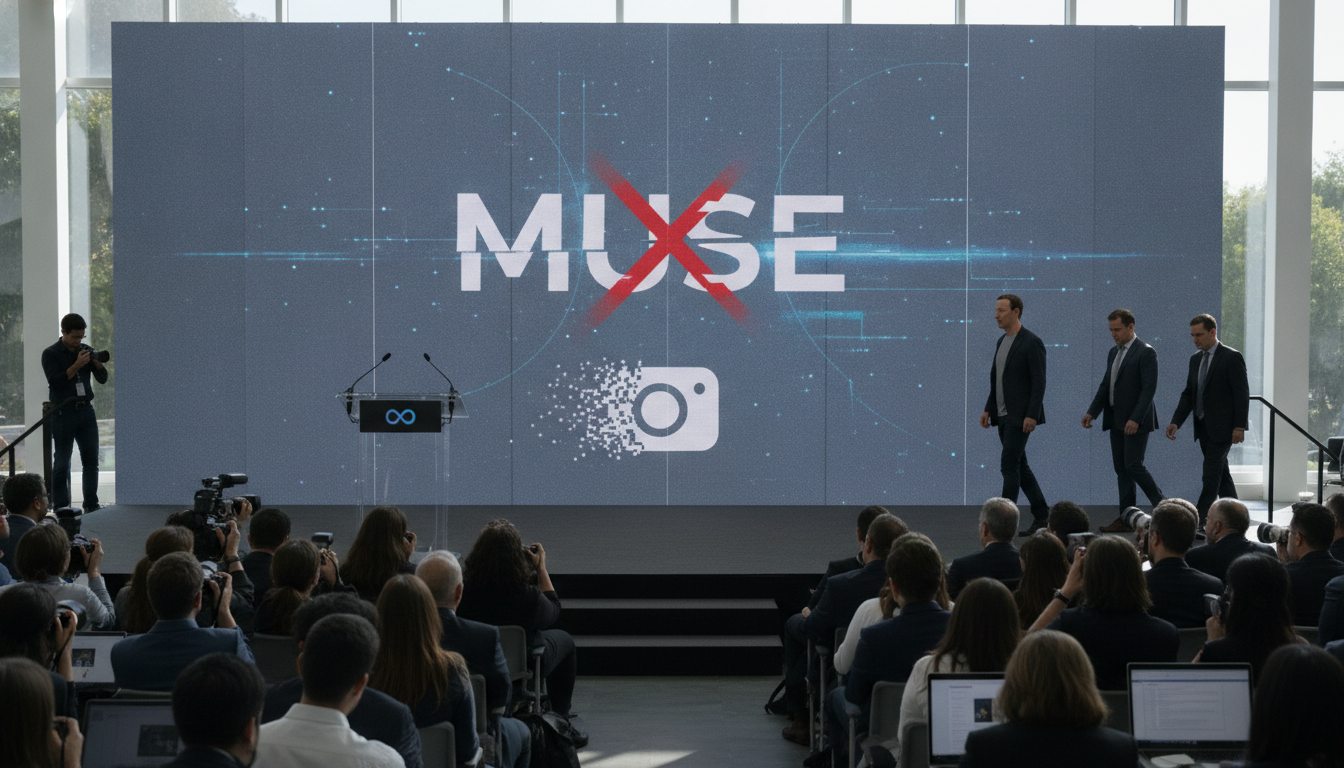
Meta has disabled an Instagram AI feature that allowed users to create images referencing public accounts, saying the tool "missed the mark" after strong user feedback. The Instagram AI feature, introduced as part of a broader suite of image-generation tools, permitted people to @-mention public profiles as source references. The company announced the reversal in a blog post, saying the feature is no longer available while it reassesses the design.
Feature pulled after rollout
Meta rolled out the new image-generation capability earlier this week as part of its Muse Image suite developed by its AI unit. The feature enabled users to generate images that referenced publicly available Instagram photos without notifying the account owners. Within days of the release, the company removed the option and acknowledged that the implementation failed to meet user expectations.
How the Instagram AI tool operated
The tool let a user mention a public Instagram handle to influence the image generation, effectively allowing the model to draw from content associated with that account. It did not provide an automatic alert or explicit consent mechanism to inform the referenced account that their public photos could be used this way. Meta framed the capability as a creative tool intended to let people explore visual ideas tied to public content.
Backlash from users and talent agencies
The decision to disable the feature followed immediate criticism from many users who raised privacy and consent concerns. Talent agencies and representatives for public figures also questioned the lack of notification and the potential for misuse, prompting additional scrutiny. Industry voices argued that tools capable of referencing identifiable photos must include clearer opt-out or permission pathways to protect creators and subjects.
Consent and safety concerns
Observers noted that tools like this can be repurposed to create harmful or non-consensual imagery, particularly when models are trained or prompted to recreate realistic depictions of real people. Platforms that integrate image-generation capabilities have repeatedly faced challenges preventing misuse, and critics said the Instagram AI feature’s lack of an alert mechanism made abuse more likely. Privacy advocates said clearer defaults and easier controls are necessary when models can draw on publicly posted content.
Meta’s public explanation and next steps
In its statement, Meta said the intent was to offer a helpful creative option and to let people control whether public content could be referenced, but that feedback showed the feature had "missed the mark." The company did not provide a timeline for reinstating a revised version and indicated it would pause the capability while it considers changes. Meta said it will continue developing Muse Image and other effect tools but will prioritize user input and controls.
Wider implications for platform AI policies
The incident highlights a broader tension for social platforms: balancing innovation in AI-driven creative tools with robust protections for privacy and consent. As companies add generative capabilities, regulators, rights holders and users are pressing for clearer guardrails, transparency and avenues for recourse. The episode may prompt other platforms to review similar features and accelerate development of opt-out mechanisms or stricter default settings.
Public reaction underscores the fragility of trust when new AI features touch personal images and identity. Platforms that move quickly to ship advanced tools face growing expectations to demonstrate how those features protect users and prevent real-world harm. How Meta responds in the coming weeks will be watched as an indicator of how aggressively major social networks will govern AI-enabled content referencing public accounts.
The removal of this Instagram AI feature is a reminder that technical capability alone does not justify deployment without strong consent and safety designs. Users and creators increasingly demand transparent, enforceable controls over how public posts are used by AI, and platforms are being held to account when those controls are absent or insufficient.
