
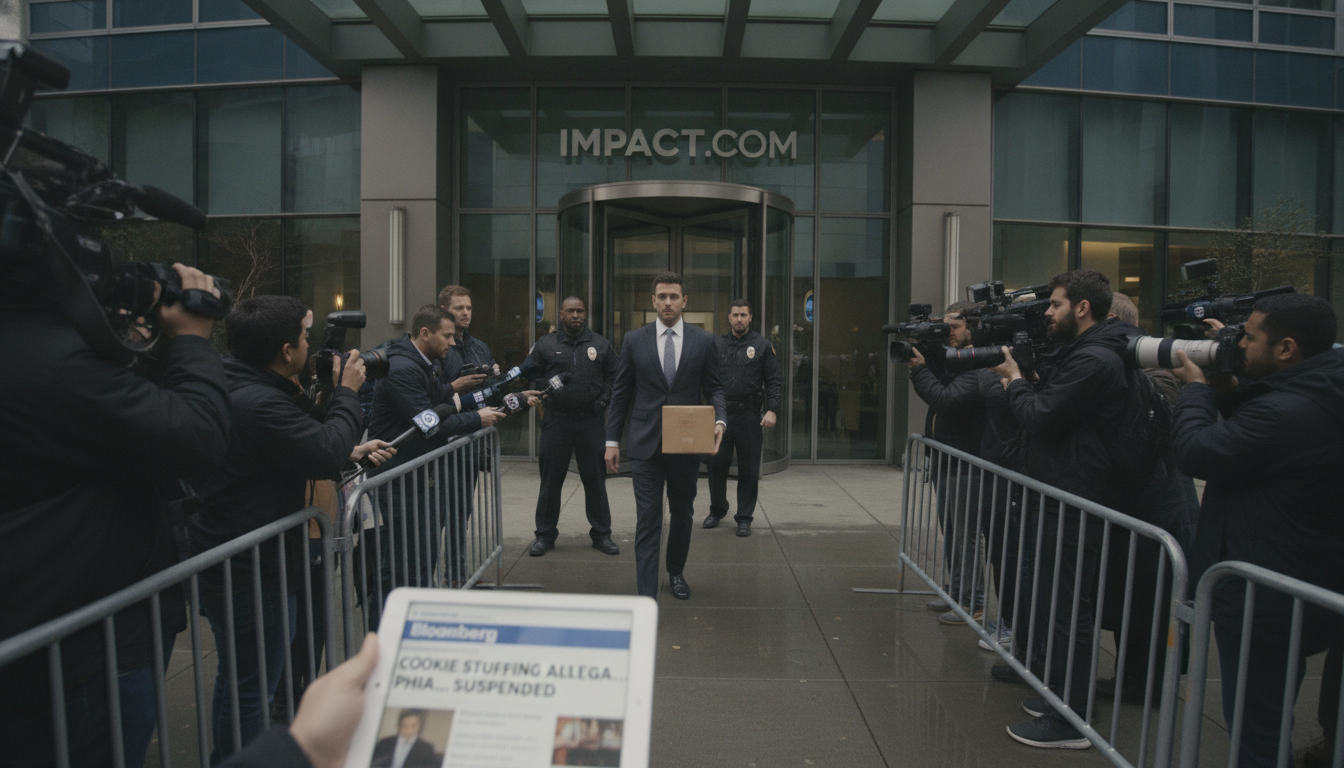
Phia cookie stuffing allegations prompt Impact.com suspension of shopping app
Phia cookie stuffing allegations prompted suspension from Impact.com after a Bloomberg probe found the Phia shopping app may have taken credit for others’ sales.
Phia, the shopping app co-founded by Phoebe Gates and Sophia Kianni, is facing public scrutiny after a Bloomberg investigation on July 9, 2026, alleged the company engaged in "cookie stuffing." The report claims the Phia shopping app opened background tabs that replaced other affiliates’ referral codes during checkout, potentially allowing Phia to claim commissions on sales it did not drive. The accusation has triggered a suspension from affiliate platform Impact.com and renewed debate about affiliate marketing practices.
Allegations of cookie stuffing
The Bloomberg investigation concluded that Phia’s extension sometimes injected its own referral codes even when users arrived at a retailer directly or through another affiliate. That practice, commonly called cookie stuffing, can divert commission credit from the affiliate that actually referred a sale. The allegation places Phia among a small number of startups accused of using aggressive referral tactics to boost revenue.
How the browser extension allegedly redirected referrals
According to the reported findings and testing by an independent consultant and a rival company, Phia’s extension would open a new browser tab in the background during the checkout flow. The background tab reportedly overwrote existing tracking tokens, replacing partners’ referral identifiers with Phia’s code before payment completed. If confirmed at scale, that behavior could systematically reroute commissions away from legacy affiliates and comparison sites.
Impact.com suspension and partner reactions
Impact.com, a major affiliate and influencer platform, suspended Phia following the reporting and partner inquiries, sources said. Platform suspensions typically pause tracking and payouts while networks investigate potential policy violations, which can have immediate financial consequences for startups that rely on affiliate commissions. Retailers and affiliate partners contacted after the report said they were assessing the scope of any misattributed sales and determining whether refunds or clawbacks would be required.
Funding, founders and celebrity investors
Launched in 2025, Phia secured more than $40 million in venture funding and high-profile backers, with co-founders Phoebe Gates and Sophia Kianni leading the company. Celebrity investors have included figures from the fashion and entertainment sectors, which helped raise the startup’s public profile and user adoption. The influx of capital and attention has made the allegations particularly damaging for a company still establishing trust with merchants and partners.
Legal precedents and industry scrutiny
Cookie stuffing has previously surfaced in litigation against other shopping tools, most notably Honey, which was acquired by PayPal and later faced a class action over similar practices. Legal claims typically hinge on whether a platform intentionally usurped commissions or operated within accepted industry norms for tracking and attribution. Regulators and merchant networks have been tightening guidance on affiliate tracking, and this incident may accelerate calls for clearer standards and stronger auditing.
Phia’s response and outstanding questions
Phia told reporters that it implemented fixes after partners raised concerns and that those changes had addressed the issue when rechecked by outside observers. The company declined to offer additional public details about the technical changes or the number of transactions affected, and a request for comment from the startup was not answered by the time of publication. It remains unclear whether Phia will face contractual disputes, demand repayment from merchants, or be subject to further enforcement by networks or plaintiffs.
The allegations and subsequent suspension underscore the fragility of trust in the affiliate ecosystem and the financial leverage built into tracking systems. Retailers work with dozens of affiliates and rely on accurate attribution to allocate marketing spend, and any appearance of manipulation can prompt audits and renegotiations. As partners evaluate the extent of any misattribution, the broader industry will likely watch closely for how networks and courts respond.
The coming weeks are expected to reveal whether Phia can repair relationships with Impact.com, merchants and other affiliates, and whether any legal claims will emerge from affected partners or users. Until networks complete their audits and Phia provides clearer disclosure of its remediation steps, merchants and consumers alike will be watching for both technical fixes and accountability.
