
Iranian forces report “enforcement actions” near Strait of Hormuz as U.S.-Iran talks stall
Iran’s state media says military conducted “enforcement actions” near the Strait of Hormuz, heightening tensions after President Trump extended a cease-fire and Tehran declined to join peace talks.
State media reports enforcement actions
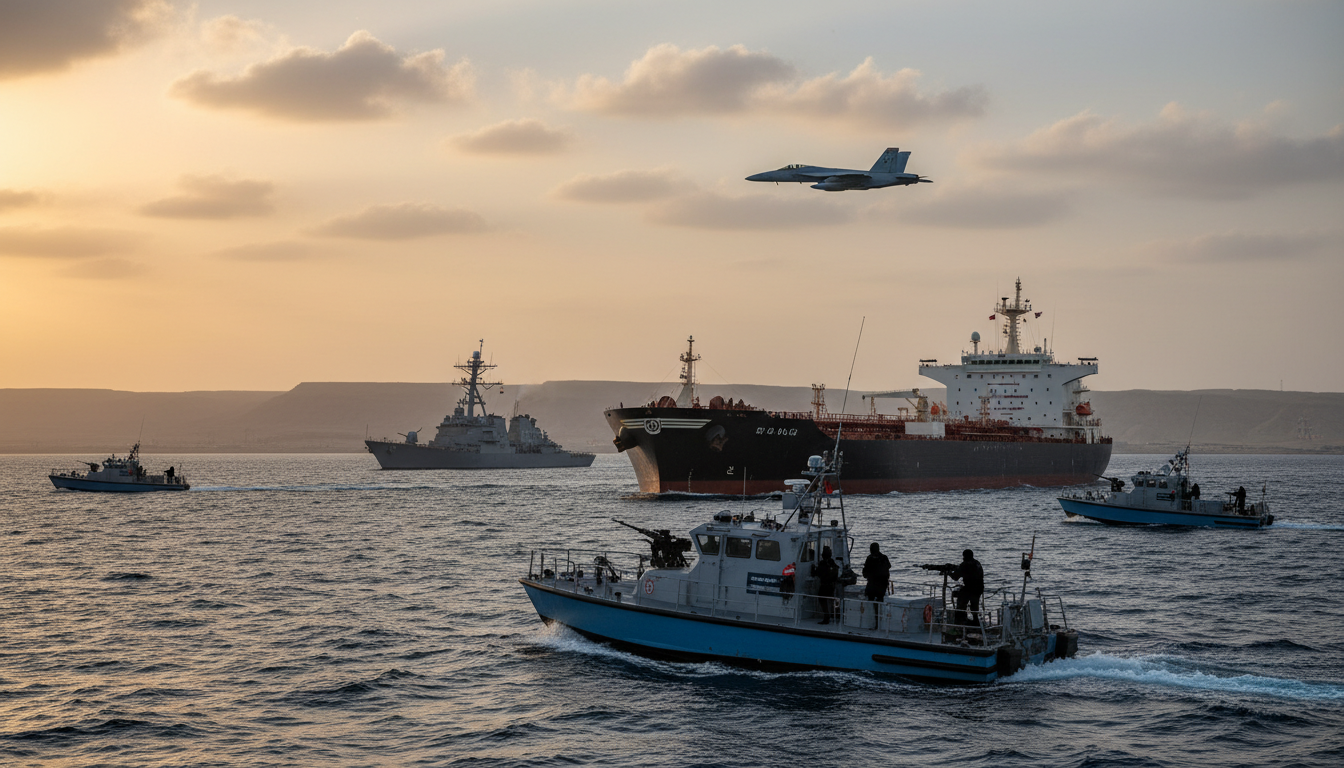
Iran’s official media reported that the country’s military had carried out “enforcement actions” in maritime areas close to the Strait of Hormuz. The statement did not provide detailed evidence or precise coordinates, and independent confirmation from third-party monitoring groups was not immediately available.
The report framed the manoeuvres as part of routine security measures, but the choice of language echoed earlier confrontations in the same corridor. The announcement came amid an already strained environment between Tehran and Washington, raising concerns among international shipping operators.
Cease-fire extension by President Trump
U.S. officials confirmed that President Trump had extended an existing cease-fire agreement intended to reduce immediate hostilities. The extension aimed to create space for negotiations, but it has so far failed to produce reciprocal steps from Iran.
Analysts say the move was intended to preserve a diplomatic opening while maintaining pressure through sanctions and multilateral diplomacy. Despite that, the extension has not translated into tangible progress toward a negotiated settlement.
Tehran declines to join peace talks
Iran’s leadership declined to participate in the peace talks offered following the cease-fire extension, according to the account that followed the state media announcement. That refusal has left the two sides in a diplomatic stalemate with neither prepared to make the first substantive concessions.
Tehran’s decision to stay away from the talks has been interpreted by some regional observers as a negotiating posture aimed at extracting clearer guarantees or concessions. Whatever the motive, the absence of Iranian participation has stalled any immediate pathway to de-escalation through formal diplomacy.
Potential impact on shipping through the Strait of Hormuz
The Strait of Hormuz is one of the world’s most critical maritime chokepoints, used to transit a significant portion of global oil and liquefied natural gas shipments. Any sustained security measures or confrontations in the area can prompt shipping companies to reroute, raise insurance premiums, and disrupt energy markets.
Maritime insurers and commercial shippers monitor the narrow waterway closely; even short-term disruptions often ripple into higher freight costs and volatility in energy prices. The current reports of enforcement actions, even if limited, have already revived caution among commercial operators moving through the corridor.
Regional and international stakes
Neighbouring Gulf states and international stakeholders have an interest in maintaining freedom of navigation and regional stability. Escalation near the Strait of Hormuz would not only threaten commercial traffic but could draw in allies and partners with naval assets in the region.
Diplomatic channels across Europe, Asia and the Middle East have historically emphasised restraint and the need for verification mechanisms when incidents occur. Observers note that without robust backchannels or confidence-building measures, misunderstandings at sea can quickly intensify into wider confrontations.
Security analysts outline possible scenarios
Security analysts outline several potential paths forward: a rapid return to quiet through quiet diplomacy, a protracted stalemate with occasional incidents, or a dangerous escalation that could involve direct interdiction of commercial vessels. Each scenario carries distinct risks to trade, energy security and regional stability.
Experts advise that transparency, third-party monitoring and clearly communicated rules of engagement at sea would reduce the risk of accidental clashes. For now, however, the combination of reported enforcement actions and stalled talks leaves the outlook uncertain.
The international community faces a delicate balancing act between urging de-escalation and preserving leverage to push parties back to the negotiating table. Continued reporting and verification will be essential to understand whether the latest movements near the Strait of Hormuz are temporary posturing or the start of a more persistent security posture.
