
Elk Island land-use tensions grow as Indigenous return to traditional areas collides with residential development
Indigenous return to traditional lands clashes with residential development at Elk Island, sparking debate over access, conservation and visitor management.
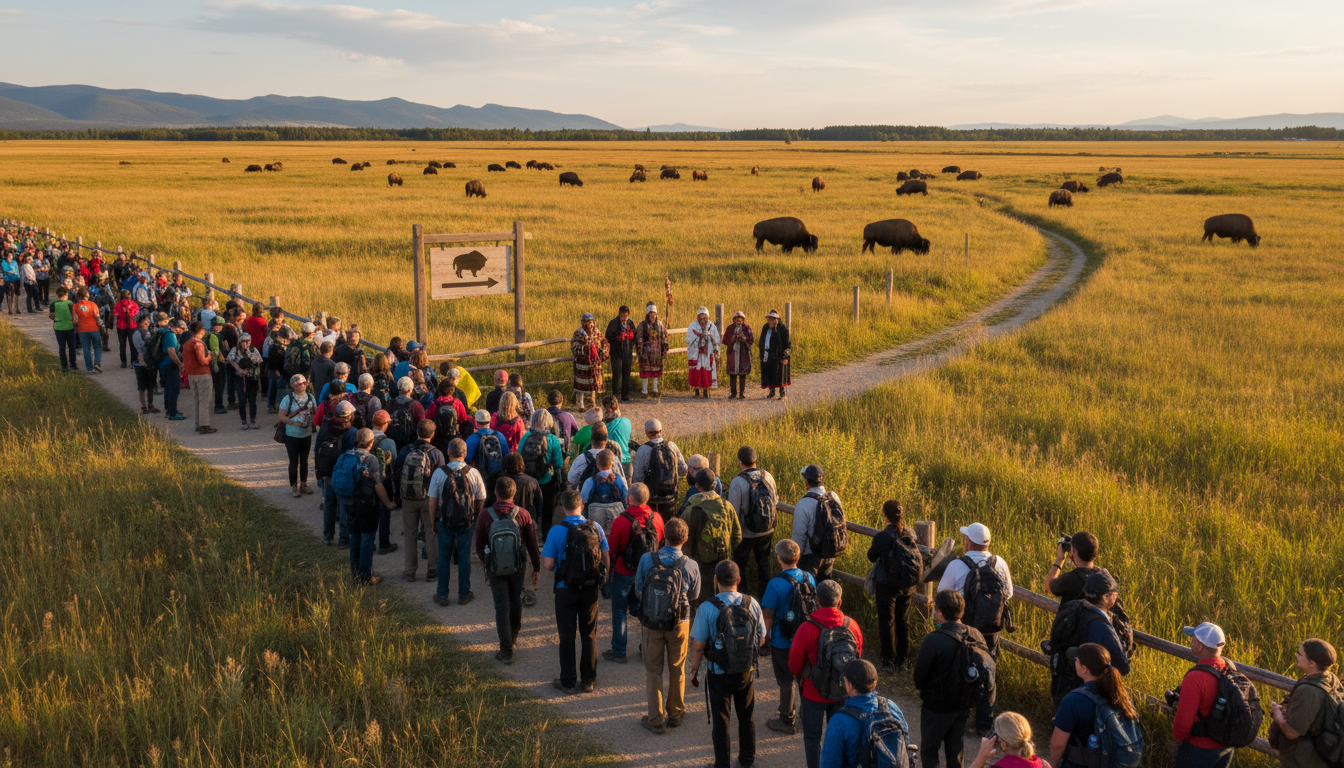
Elk Island is at the centre of a renewed conversation about land use after Indigenous people have begun reasserting access to places they identify as historically theirs, sometimes encountering modern residential properties in those same locations. Community members and stakeholders say the change forces a rethinking of how parks, private landowners and visitors coexist on landscapes with layered histories. Officials note Elk Island draws roughly half a million visitors annually, intensifying the need for clear protocols and shared stewardship.
Indigenous presence and historic ties to the land
A woman who spoke to reporters described how the landscape once had far fewer people and far less activity, and said the current influx of people returning to traditional places requires new solutions. She emphasized that what were once quiet ancestral areas now contain homes and established developments, complicating customary uses and access. That reality is prompting calls from Indigenous voices for recognition of historical occupancy alongside respect for current residents.
Residential development and competing land uses
Many areas around Elk Island and similar protected landscapes have seen incremental residential development over decades, which local leaders say now overlaps with traditional routes and sites. Property boundaries, municipal zoning and private ownership often do not reflect the older patterns of land use that Indigenous communities describe. Residents and community associations report uncertainty about how to manage requests for cultural activities, ceremonies or harvesting when those practices touch property lines or neighbourhood spaces.
Park visitation and management pressures
Elk Island’s annual visitation—about half a million people—puts additional strain on trail networks, parking and ecosystems, according to park observers. That level of public use complicates efforts to create discrete spaces for cultural practices or seasonal gatherings without interfering with popular recreational activities. Park managers are being asked to balance access for Indigenous ceremonies with conservation mandates and public safety, while also coordinating with neighbouring landowners.
Calls for coordinated consultation and planning
Community leaders and municipal officials are urging more proactive consultation between Indigenous groups, park authorities and homeowners to reduce friction. Advocates suggest formal agreements or memorandums of understanding that clarify access rights, times and locations for traditional practices and respectful protocols for visitors. Several stakeholders propose mapping exercises and joint stewardship plans that acknowledge historic occupation while recognizing current landholders’ concerns.
Conservation, cultural heritage and ecological stewardship
Conservation experts stress that recognizing Indigenous presence can align with ecological objectives, since many traditional practices include stewardship methods that support biodiversity. Incorporating Indigenous knowledge into park management could help protect sensitive habitats even as visitation rises. At the same time, managers caution that any changes will require careful planning to avoid unintended impacts on wildlife and on the recreational experience for the broader public.
Practical steps being discussed by stakeholders
Suggestions emerging from recent conversations include scheduled access windows for cultural activities, educational signage that explains Indigenous ties to the land, and mediation processes for disputes involving private property. There is also interest in collaborative visitor-education campaigns aimed at reducing conflicts and increasing public awareness of the land’s layered histories. Funding and legal frameworks are repeatedly cited as hurdles that will need targeted attention to make cooperative arrangements durable.
The current debate at Elk Island reflects a larger, national challenge of reconciling historic occupation and modern land ownership across Canada. Finding solutions will require patience, resources and a willingness from all parties to negotiate shared use and stewardship that respect both living communities and established residents.
Longer-term discussions are likely to focus on formalizing relationships, securing protections for culturally significant sites and developing visitor-management strategies that reduce pressure on sensitive areas. For the many who are returning to traditional places, the priority is to restore connection to the land in ways that are safe, recognized and sustainable for future generations.
