
Ottawa moves to clear air passenger complaints backlog in six to nine months
Ottawa to transfer nearly 100,000 air passenger complaints to an external dispute-resolution firm to eliminate the backlog in six to nine months and tighten enforcement.
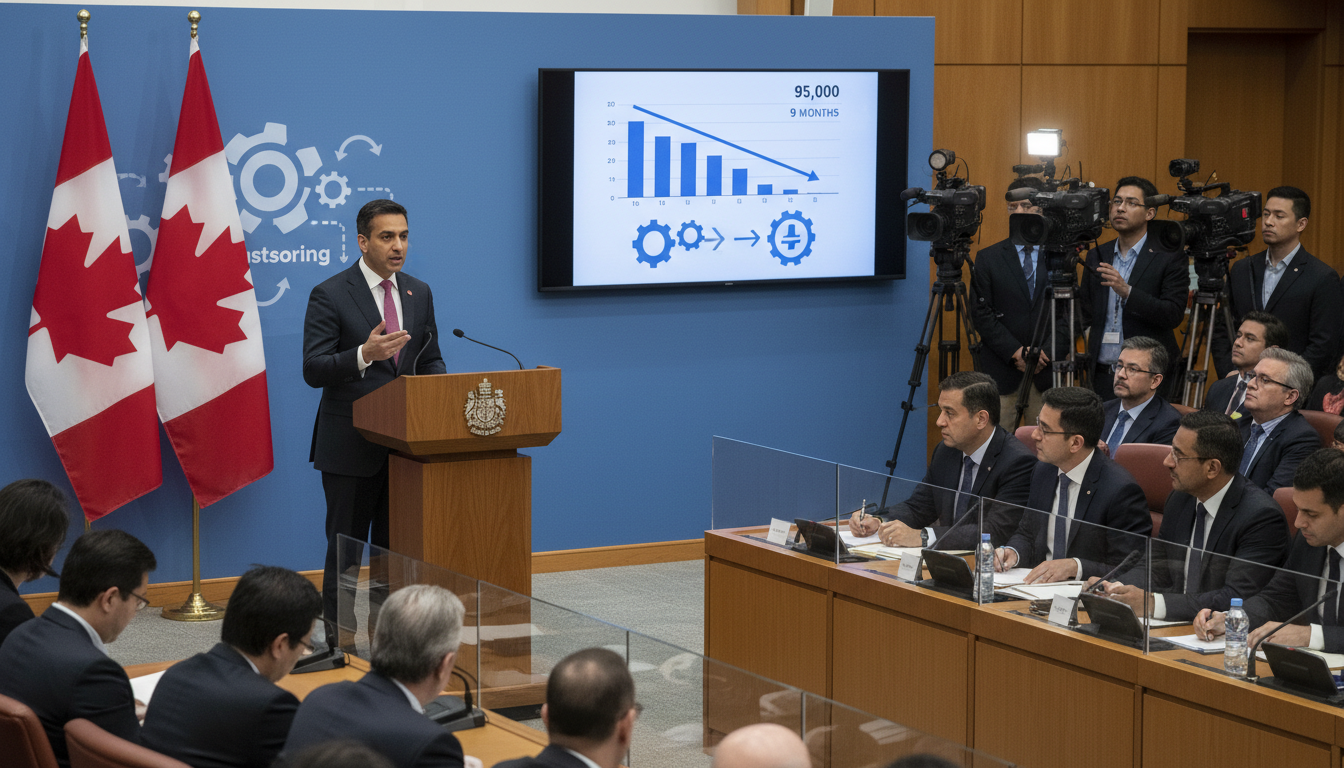
The federal government announced a plan to tackle an air passenger complaints backlog of about 95,000 that has accumulated at the Office of the Canada Transportation Agency, aiming to clear roughly 100,000 files within six to nine months. Transport Minister Steven MacKinnon said Ottawa will transfer outstanding cases to a neutral, third‑party dispute‑resolution firm and introduce legislative changes to accelerate decisions and strengthen enforcement of passenger rights.
Plan to outsource backlog processing
The government will table legislation in the House of Commons in the coming weeks to enable the transfer of complaints to an external provider. Once the bill becomes law, officials expect the backlog to be eliminated within a six to nine month window, assuming the contracted firm can scale quickly to handle the caseload.
MacKinnon framed the move as a pragmatic use of private‑sector capacity, saying the federal regulator continues to do "meticulous" work but that high‑volume dispute resolution is better suited to specialists who have honed arbitration and mediation expertise.
Scale of the problem and delays in decisions
The Ottawa file shows the complaint inventory has surged to roughly 95,000 cases in recent weeks, and many disputes have taken years to resolve under the current process. Those delays, officials said, have left passengers waiting for outcomes and compensation and have contributed to widespread frustration with the system.
The backlog followed the adoption of the Passenger Protection Regulations in 2019, which established entitlements for travellers; the government now says enforcement and timelier adjudication must catch up to those rules to restore public confidence.
Role of an external dispute‑resolution firm
Under the plan, Ottawa will contract a neutral firm to process complaints, mediate disputes and render decisions where appropriate. The government says the firm will operate independently of airlines and the regulator, and will use established arbitration practices to accelerate case handling.
Officials have emphasized safeguards to protect impartiality and the rights of passengers, while also allowing the agency to retain oversight. The intention is to combine the procedural speed of specialized dispute resolution with regulatory standards set by the federal agency.
Tougher penalties and faster compensation
As part of the package, the government will grant the Canada Transportation Agency the authority to levy substantially higher fines for systematic breaches of passenger protection rules. The maximum penalty will increase from $250,000 to $1 million for carriers found to be repeatedly violating the regulations.
MacKinnon also said carriers will be required to pay any compensatory amounts to passengers within 30 days, with no extensions, and that ultimately carriers will bear the cost of mediation in disputes they provoke. The changes are intended to add financial incentive for airlines to comply and to shorten the time passengers wait for redress.
Broader airport governance reforms under review
The legislative measures to speed complaints processing are part of a larger agenda described by the government as the start of a "regime change" for Canada’s air sector. In its recent economic update, the Carney government said it has begun examining reforms to modernize airport governance and to increase airports’ capacity for economic development and reinvestment.
Transport Canada currently owns a network that includes 18 small regional airports and 23 national airports, among them Vancouver, Montréal‑Trudeau and Toronto‑Pearson. The government said it will consider scenarios — including partial privatization — to place airports in a stronger position to attract private investment and to reduce costs for travellers.
Next steps and stakeholder response expected
The bill will be introduced to Parliament within weeks, after which it must pass both chambers to take effect. If enacted on the proposed timetable, Ottawa expects the contracted firm to begin resolving files soon after and to eliminate the backlog within the stated six to nine months.
Airlines, passenger advocacy groups and provincial stakeholders are likely to scrutinize the details of any privatization proposals and the practical operation of the outsourced dispute process. Observers will watch whether higher fines and accelerated compensation timelines deliver faster, more effective protection for passengers.
Passenger groups and industry representatives have previously called for clearer enforcement and timelier outcomes, and Ottawa says these measures are designed to restore trust in the passenger protection system while ensuring that airlines meet their regulatory obligations.
