
Council adopts middle-ground bylaw preserving 9.5-metre wall limit while allowing variances for additions
City council has introduced a middle-ground bylaw that keeps a 9.5-metre wall limit to address concerns about building massing while permitting three-storey construction and a new variance route for alterations.
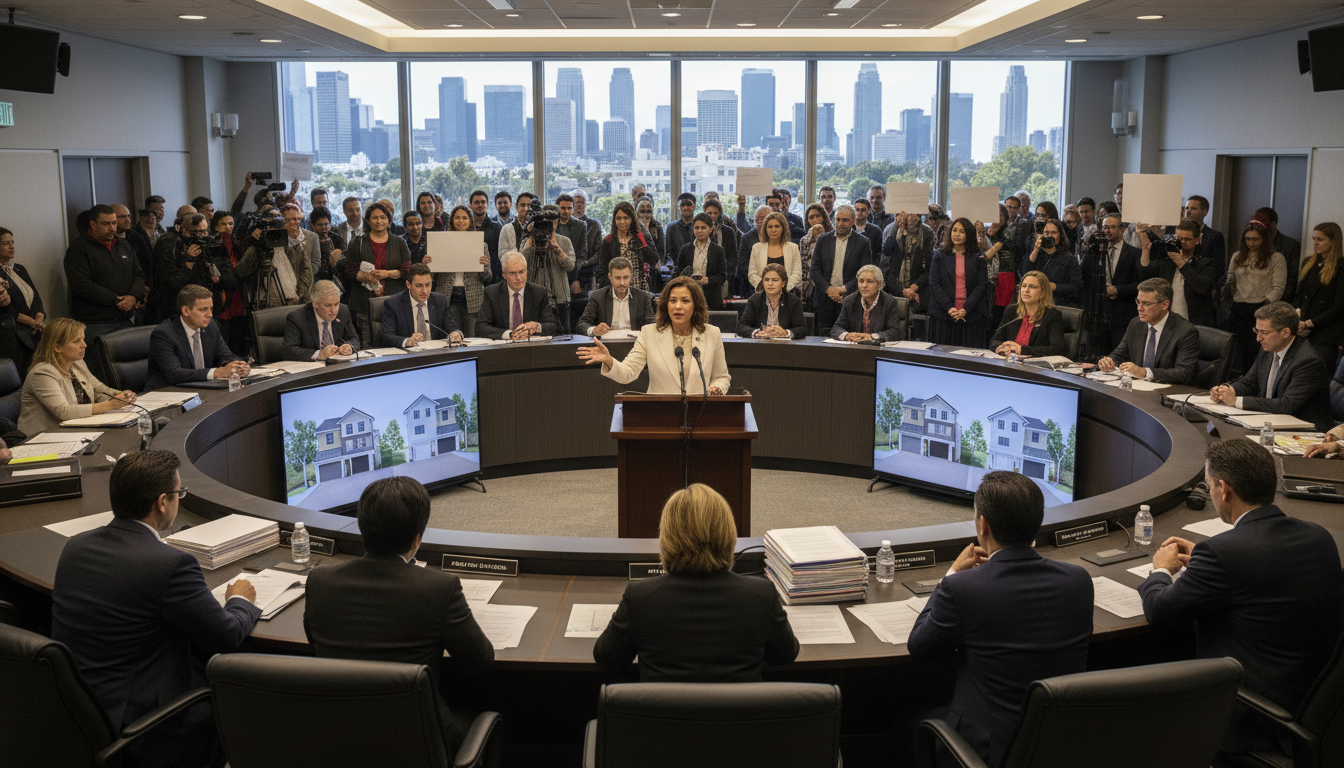
City council on Monday unveiled a bylaw aimed at balancing neighbourhood concerns about the bulk, or “massing,” of new construction with the city’s desire to allow three-storey homes.
The measure retains a firm 9.5-metre wall limit as a baseline control on the visible mass of buildings, while creating a process for owners to seek variances for certain exterior changes.
Council framed the approach as a compromise that preserves development flexibility without abandoning efforts to protect street-level scale and sightlines.
Council presents bylaw as middle ground
City officials described the bylaw as a response to competing priorities raised during recent consultations.
Residents and some councillors had pushed for stricter controls to limit the visual bulk of new builds, while developers and others argued for flexibility to maintain three-storey options.
The new regulation aims to reconcile those positions by keeping the 9.5-metre wall limit but permitting targeted exceptions through an approved variance process.
Three-storey construction remains permitted
Under the new rules, three-storey construction remains an allowable form of development in the city’s residential zones where it was previously permitted.
Council indicated the retention of three-storey builds is intended to encourage housing supply and design innovation while ensuring that building façades don’t dominate the streetscape.
The bylaw therefore attempts to strike a balance between increasing density and preserving neighbourhood character.
Variance process introduced for existing homes
A central change in the bylaw is a formal variance pathway for owners of existing homes seeking additions or exterior renovations.
Property owners may now apply for a variance to exceed the 9.5-metre wall limit when proposed changes would increase wall heights, provided the overall building height does not surpass the height that was approved in the original development permit.
This means façade or wall adjustments that go beyond the wall limit can be considered without allowing a taller total structure than was originally permitted.
How the 9.5-metre wall limit will be applied
City planning staff will continue to measure and enforce the 9.5-metre wall limit as the principal control on the massing of new and modified buildings.
Where variances are sought, planners will evaluate applications against the approved development permit height and other zoning provisions to determine whether the proposed changes are consistent with the original approval.
The bylaw emphasizes that a variance is not an automatic allowance and that each application will be judged on its merits in the context of the site and surrounding properties.
Massing concerns and neighbourhood impacts
Concerns about massing have focused on loss of sunlight, reduced sightlines, and the sense that taller, bulkier houses can overwhelm established streetscapes.
Council members said the 9.5-metre wall limit serves as a predictable standard to limit those effects while the new variance route offers a controlled way to accommodate homeowner needs.
Planners will be expected to weigh potential impacts on neighbouring properties when considering variance requests, ensuring that changes do not materially alter the character of nearby homes.
Next steps for homeowners and developers
Owners planning additions or exterior works that may affect wall height should consult the planning department early to determine whether a variance will be necessary.
The city has signalled it will issue guidance on the application process and the documentation required to demonstrate that overall height remains within the originally approved limits.
Developers and design professionals are being encouraged to engage with city staff during project design to avoid costly redesigns or refusals at later stages.
The bylaw represents a procedural shift more than a wholesale change in height policy, aiming to provide predictability through the 9.5-metre wall limit while offering a regulated path for exceptions that preserve approved development heights.
Council will monitor the bylaw’s application and the number of variance requests as part of ongoing reviews of zoning and development outcomes.
For homeowners considering changes, the planning office is the first point of contact to understand eligibility for a variance and the timeline for approvals.
