
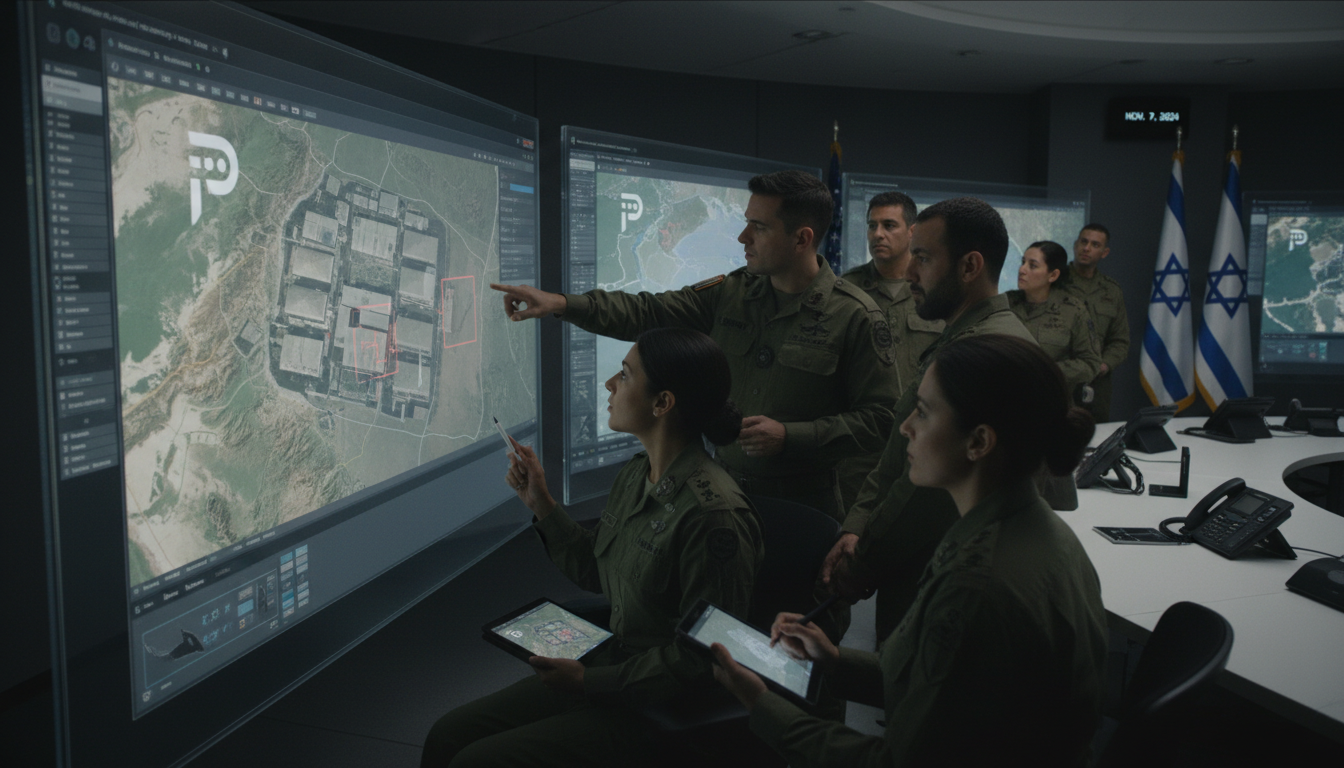
Battlefield Analytics Software Speeds Satellite-Image Targeting in Iran Conflict
Battlefield analytics software is accelerating satellite-image analysis in the Iran conflict by consolidating disparate data sources to recommend potential battlefield targets and actionable intelligence. Military and civilian operators are increasingly using platforms that fuse sensor feeds, signals, and open-source data to identify patterns and prioritize responses. The rapid triage and recommendation features of these tools are shaping decisions on the ground while also provoking fresh scrutiny over legal, ethical and operational safeguards.
Software consolidates multi-source intelligence
Modern battlefield analytics software ingests imagery, signals intelligence, logistics records and public reporting to create a unified operational picture. By automating correlation across databases, the systems generate ranked lists of potential targets and contextual insights that previously required hours of manual cross-checking. Proponents say this consolidation reduces information overload and shortens the decision loop, enabling commanders to act on higher-confidence assessments.
Satellite imagery analysis shapes battlefield decisions
Satellite-image analysis has become a focal use case for analytics platforms during recent fighting in and around Iran, where frequent launches, strikes and troop movements generate large volumes of imagery. Algorithms highlight changes, detect infrastructure damage and flag suspicious activity, allowing analysts to track evolving targets in near real time. This rapid processing of imagery, combined with fusion of complementary data, alters how priority and timing for strikes are determined.
Military officials cite speed and precision gains
Defense officials involved in operations point to faster identification and verification of targets as primary benefits of battlefield analytics software. Faster analysis can reduce the window for collateral damage by enabling more precise timing and selection of munitions, officials say, while also improving situational awareness for troops and commanders. Critics caution that speed must be balanced with human judgment to prevent overreliance on system-generated recommendations.
Privacy, legality and rules of engagement concerns
The increased use of automated recommendations raises complex legal and ethical questions about accountability and compliance with international humanitarian law. Civilian oversight groups warn that algorithmic prioritization could obscure the chain of responsibility for targeting decisions and complicate post-action investigations. Legal advisers emphasize that any deployment must respect proportionality and distinction principles, and that human review should remain a non‑negotiable step before kinetic action.
Industry response and data governance measures
Vendors of battlefield analytics software and defense contractors report implementing audit trails, explainability features and stricter access controls to address governance concerns. Technical safeguards such as confidence scores, human-in-the-loop gates and immutable logs are being promoted as ways to preserve transparency and enable after-action review. At the same time, independent audits and third-party validation of models are being called for by oversight bodies to ensure tools perform as represented under operational stress.
Operational risks and misinformation challenges
Analytic platforms depend heavily on the quality and provenance of input data, making them vulnerable to degraded sensors, corrupted feeds, and deliberate disinformation campaigns. In environments with contested communications or spoofed imagery, false positives can escalate tension or produce mistaken targeting recommendations. Analysts and commanders must therefore weigh system outputs against corroborating sources and maintain contingency procedures when data confidence is low.
The expanding role of battlefield analytics software in the Iran conflict underscores a broader shift toward data-driven operations that promise greater speed and situational awareness but also demand robust legal, ethical and technical guardrails. As militaries integrate these tools into decision-making chains, experts across defense, legal and civil-society communities are pushing for clear standards, mandatory human oversight and regular independent testing to ensure accuracy, accountability and compliance with international norms.
