
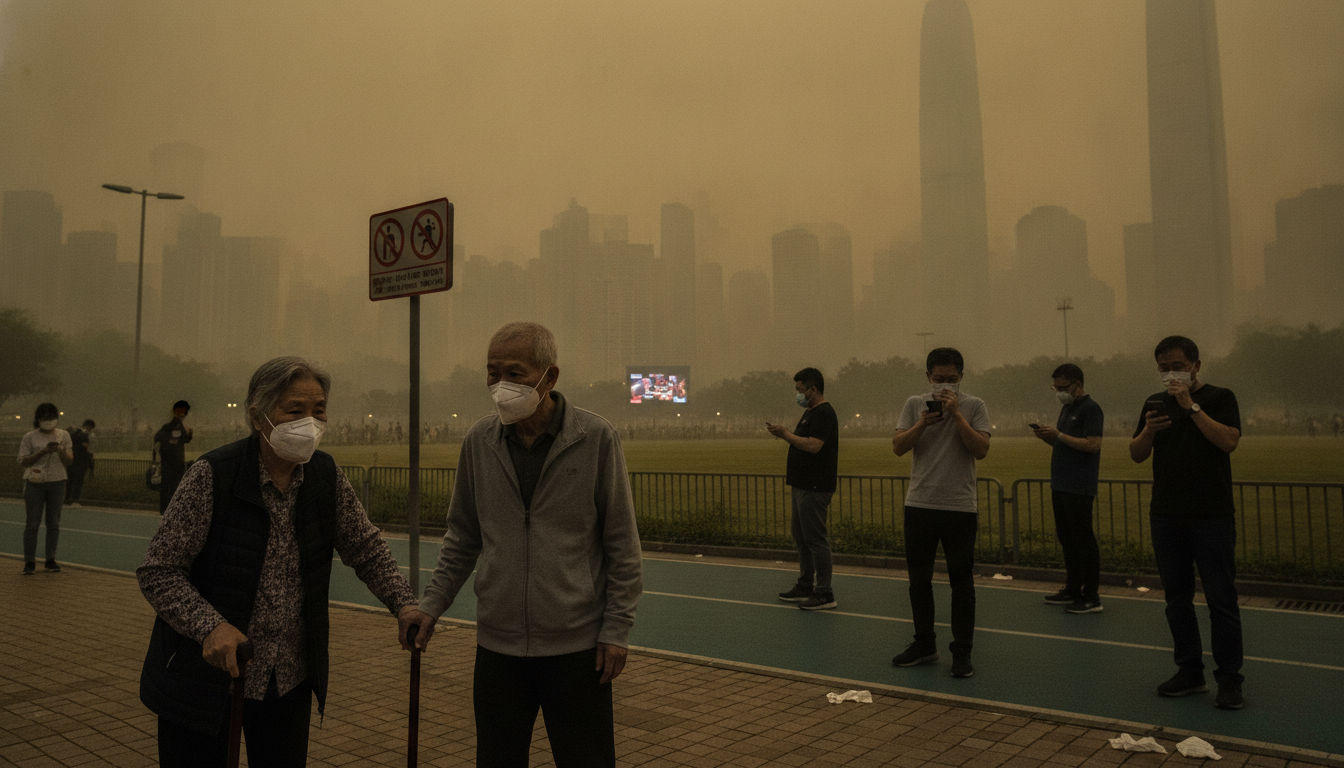
Poor air quality advisory issued; seniors, infants and outdoor workers urged to limit activity
Officials warn of poor air quality: seniors, infants, pregnant people and those with chronic illness should limit outdoor exertion and seek care if symptomatic.
Immediate warning from health authorities
Public health authorities have issued an advisory as poor air quality spreads across parts of the region, urging people most at risk to reduce outdoor exertion. Those identified as vulnerable include seniors, infants and young children, pregnant people, individuals with pre-existing or chronic illnesses and anyone who works outdoors. Officials recommend avoiding strenuous activities outside when possible and seeking medical attention if symptoms such as persistent coughing or difficulty breathing develop. The advisory stresses that quick action can reduce the risk of serious respiratory or cardiovascular events.
Who faces the highest risk
Seniors and very young children are especially susceptible because their immune and respiratory systems are less able to cope with airborne irritants. People with asthma, chronic obstructive pulmonary disease, heart disease or other chronic conditions may see symptoms worsen within hours of exposure. Pregnant people are advised to take extra precautions, as poor air quality can affect both maternal health and fetal development in severe or prolonged events. Outdoor workers are also singled out because prolonged physical effort increases inhalation of pollutants.
Immediate precautions for vulnerable individuals
Those most likely to be affected should stay indoors with windows and doors closed when possible and limit physical exertion outside. Use of a properly fitted N95 or KN95 respirator is recommended when leaving home in smoky or polluted conditions, particularly for people at higher risk who must be outdoors. If available, run portable air cleaners with HEPA filters or set home HVAC systems to recirculate to reduce indoor particle levels. Keep necessary medications, such as inhalers, accessible and follow any existing treatment plans closely.
When to seek medical attention
Seek prompt medical care if symptoms are new, severe or worsening; this includes difficulty breathing, chest pain, fainting, severe or uncontrollable coughing, or confusion. For people with chronic respiratory or cardiac conditions, an increase in regular symptoms—more frequent use of rescue inhalers, wheezing, or unusual fatigue—should prompt contact with a primary care provider. If someone experiences life-threatening signs, emergency medical services should be contacted immediately. Health lines and local clinics can advise whether a virtual consult or in-person visit is appropriate.
Support for outdoor workers and employers
Employers with staff working outdoors should consider altering schedules, reducing heavy workloads, and providing shaded, indoor rest areas to limit exposure. Occupational health guidance recommends rotating tasks to shorten the time any one worker spends outside and ensuring access to drinking water and respiratory protection when appropriate. Labour and public health officials advise employers to communicate conditions clearly and to allow workers to take breaks or be reassigned if symptoms occur. Workers who are pregnant, have underlying health conditions, or who show symptoms should be accommodated where possible.
Monitoring conditions and practical household steps
Residents are encouraged to check the local Air Quality Index (AQI) and updates from public health agencies to time outdoor activities and make informed choices. Simple household measures—closing windows, sealing gaps around doors, avoiding indoor activities that add pollution like vacuuming or frying foods, and using air purifiers where available—can lower indoor particle levels. Those without access to clean indoor air may consider staying with friends or family in better-protected environments if symptoms occur or exposure is prolonged. Community centres and cooling or clean-air shelters are sometimes opened during prolonged events; consult local announcements for availability.
Public messaging stresses preparedness: know the signs of trouble, have medications and a plan ready, and check updates from local health units and environment monitoring services. Limiting exposure now reduces immediate health risks and can prevent complications among those most vulnerable.
