
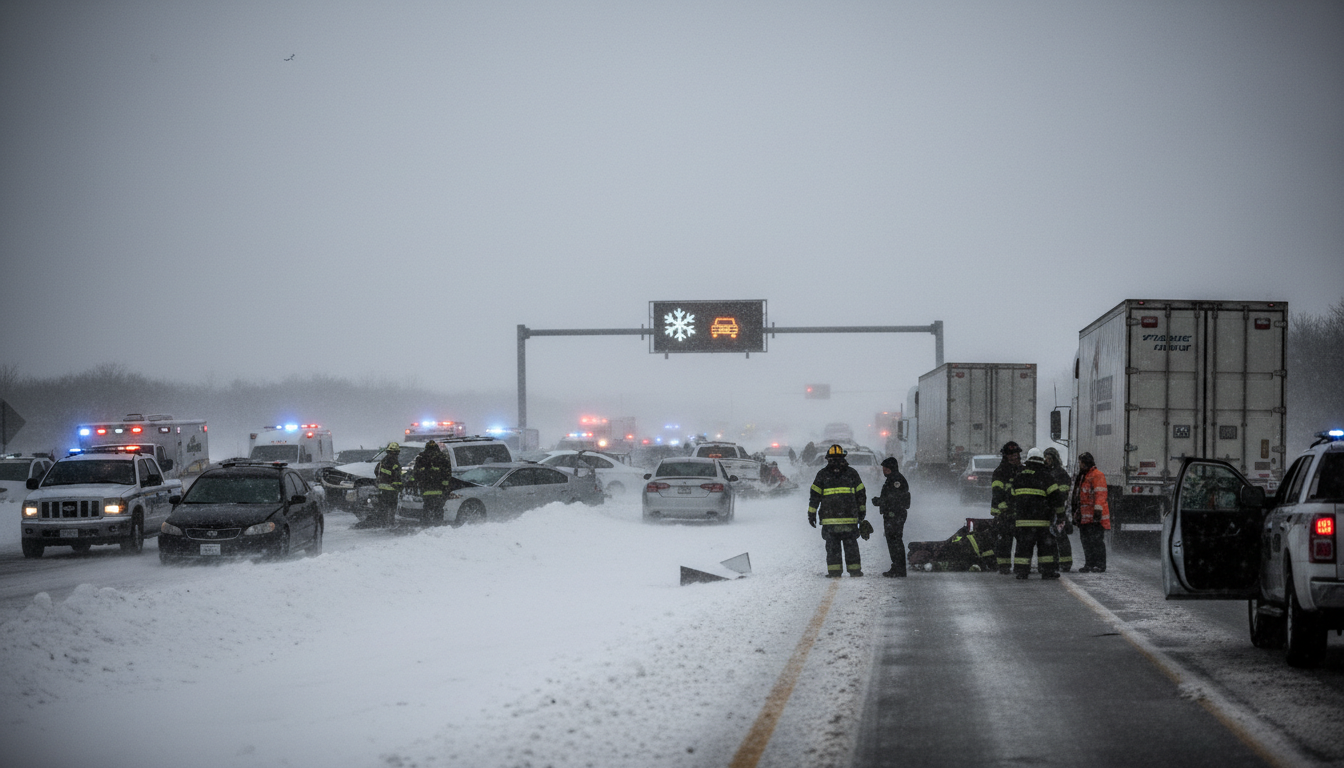
Winter travel warning: Police urge motorists to avoid roads as severe systems move in
Police issue winter travel warning across parts of Canada as intense weather systems approach; motorists are urged to defer non-essential trips and carry emergency supplies while traveling.
Winter travel warning issued by police
Provincial police have issued a winter travel warning as a series of powerful weather systems move across the region. Officers say patrols are operating around the clock and are seeing rapid deterioration in road conditions that can strand vehicles for hours.
Police spokesperson Clayton warned drivers to postpone non-essential journeys where possible and to expect long delays if they choose to travel. He stressed that motorists must be prepared to be stuck in their vehicles at some point and to carry adequate emergency supplies.
Road conditions and affected routes
Highways and secondary roads are reporting rapidly changing conditions, with snow, freezing rain and strong winds combining to reduce visibility and traction. Municipal and provincial road crews are prioritizing major routes, but secondary roads and rural stretches remain vulnerable to drifting and black ice.
Transportation officials advise checking official travel advisories and conditions before setting out, as closures and weight restrictions may be imposed without much notice. Drivers should plan for slower travel times and avoid routes that are known to be exposed or poorly serviced during storms.
Emergency response and patrol activity
Police units say patrol officers are fielding a steady number of calls for stalled vehicles and vehicles blocked by snowbanks. Tow services and first responders are being deployed to clear incidents, but crews face their own challenges reaching affected locations as conditions worsen.
Emergency dispatch centers urge motorists to call only for urgent help to keep lines open for life‑threatening situations. Authorities also note that response times can be longer during major weather events, reinforcing the recommendation that drivers avoid travel when warnings are in effect.
What to carry: essential emergency kit items
Motorists are being reminded to carry a compact emergency kit that can sustain occupants for several hours if necessary. Essential items include warm blankets or sleeping bags, extra clothing, non-perishable snacks, water, a fully charged portable phone charger, and a flashlight with spare batteries.
Other recommended items are a small shovel, sand or traction mats, jumper cables, a tow strap, and a reflective vest or flares to increase visibility to rescuers. Drivers of larger vehicles or those traveling remote routes should consider carrying extra fuel and a portable heater designed for safe indoor vehicle use.
Alternatives to driving and public transit options
Where available, officials are urging commuters to use public transit or remote work arrangements instead of driving during the advisory. Transit agencies are monitoring conditions and may modify or suspend services, so passengers should check agency updates before travelling.
Employers are being encouraged to allow flexible scheduling or remote work to reduce the number of vehicles on the road. For essential travel, carpooling with a single, well-prepared vehicle can reduce exposure to risk and make emergency response more manageable.
Safety tips for those who must travel
Drivers who decide to travel must adapt speed and following distance to the conditions and avoid sudden maneuvers that can lead to loss of control. Keeping headlights on low beam, using winter-rated tires, and maintaining a full tank of fuel will reduce exposure to avoidable hazards.
If a vehicle becomes stranded, occupants should stay inside with seatbelts fastened, keep the exhaust pipe clear of snow, and run the engine sparingly to maintain warmth while conserving fuel. Displaying a visible signal such as a hazard light or an emergency triangle will help responders locate the vehicle more quickly.
Authorities emphasized preparedness and community awareness as key to reducing risk during the storm. Residents who see motorists in distress are asked to notify emergency services rather than attempting risky rescues on their own.
Motorists should monitor local advisories and weather updates and make travel decisions based on conditions at the time of departure rather than on earlier forecasts. Delay non-essential travel, prepare a winter emergency kit, and heed police guidance to avoid preventable emergencies on the road.
