
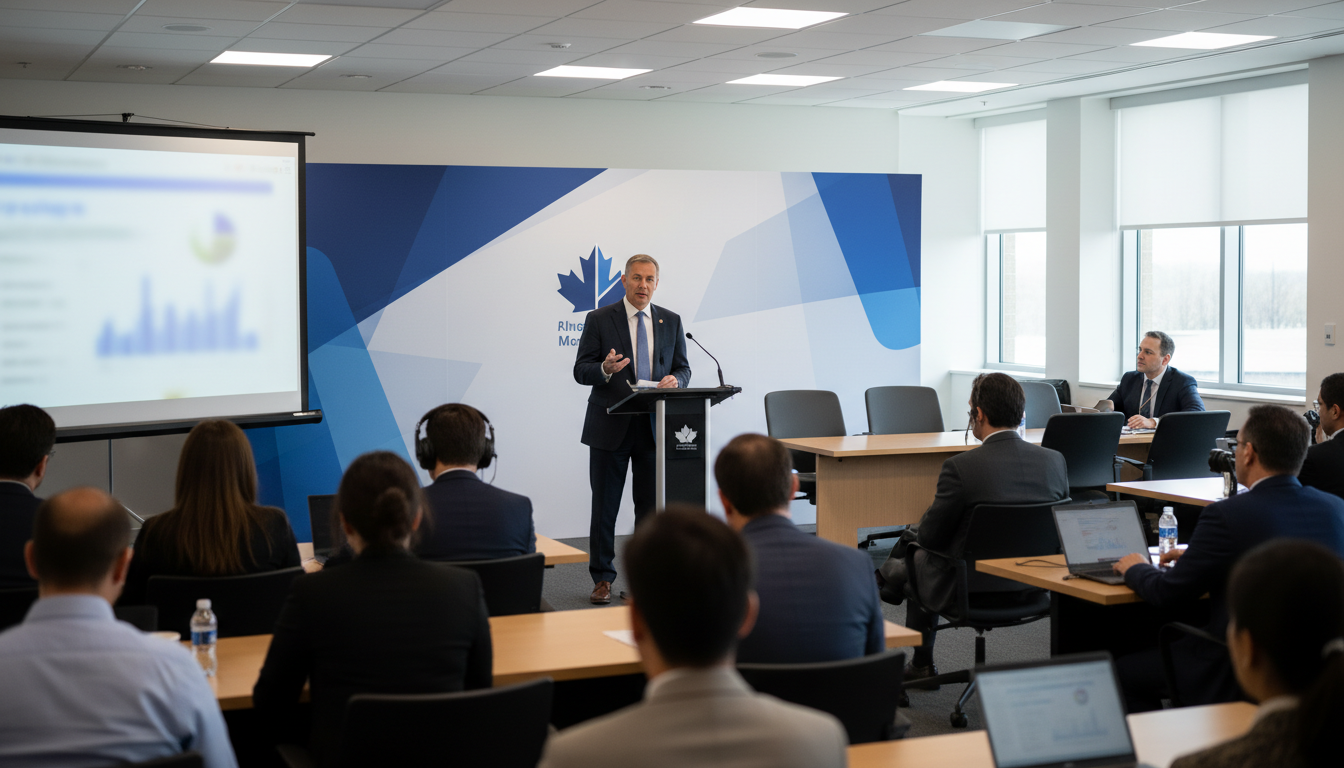
Alberta west coast pipeline inches closer with Major Projects Office submission set for June 2026
Alberta says regulatory work is nearly finished ahead of its west coast pipeline submission to the Major Projects Office, aiming to protect provincial and industry interests before the June 2026 filing.
Project status update from Smith
Smith wrote that while some work remains to safeguard Albertans and key industries, confidence has grown that outstanding items will be resolved ahead of the submission planned for June 2026.
The statement frames the effort as a final stretch of regulatory and stakeholder work rather than the start of a new approval phase.
Officials describe the current period as focused on technical reviews, legal protections, and alignment between provincial objectives and the federal Major Projects Office requirements.
Planned submission and regulatory pathway
The province intends to submit the west coast pipeline proposal to the federal Major Projects Office in June 2026, initiating a structured federal review.
That filing will trigger the Major Projects Office’s coordination across federal departments, which typically focuses on environmental assessment, Indigenous consultation coordination, and intergovernmental permitting.
Provincial sources say completing preparatory studies and documentation is the primary task remaining before the formal application is lodged.
Economic stakes and industry perspective
Alberta officials and industry backers argue the pipeline would expand market access and reduce transportation bottlenecks for the province’s energy sector.
Proponents point to potential long-term contracts, new shipping options on the west coast, and increased competitiveness for Alberta producers.
Opponents and some market analysts caution that benefits depend on final route approvals, global energy prices, and the outcome of federal and Indigenous consultations.
Consultation and environmental work still underway
Smith’s office emphasized that protecting the interests of Albertans and industries includes ongoing engagement with affected communities and environmental assessments.
Those processes typically involve technical studies on land use, wildlife, and water, together with efforts to address concerns raised by local stakeholders.
Provincial officials say they are refining mitigation plans and compensation frameworks as part of the submission package to the Major Projects Office.
Federal review, timelines and possible hurdles
Once the Major Projects Office receives the submission in June 2026, federal review timelines and requirements will determine the next stages of assessment.
The federal process can include requests for additional information, coordinated environmental reviews, and formal stages of Indigenous consultation that may affect scheduling.
Any legal challenges or significant additional information requests could extend the timeline beyond initial expectations.
Stakeholder reactions and next steps
Industry groups welcomed the province’s reported progress but reiterated that successful realization depends on timely federal coordination and clear land-access agreements.
Some municipal leaders and environmental organizations said they expect rigorous review and full transparency during the Major Projects Office process.
Provincial officials indicated they will continue targeted consultations and technical work through May and into June 2026 to support the submission.
Smith’s remarks frame the current window as decisive: finish remaining protections now, then move into the federal review phase next month.
The province has signalled it will update stakeholders as the submission is finalized and as federal review milestones are reached.
Observers say the coming weeks will be key to whether the project advances smoothly into the Major Projects Office’s formal assessment stage.
The submission to the Major Projects Office in June 2026 will mark a pivotal moment for the west coast pipeline proposal and set the timetable for federal review and further consultations.
