
Cross-border attacks renew between Pakistan and Afghanistan, threatening fragile ceasefire
Cross-border attacks on April 27, 2026 left civilians dead and injured, threatening a China-mediated ceasefire and heightening tensions regionally.
Pakistan and Afghanistan accused each other on April 27, 2026 of renewed cross-border attacks that killed and wounded civilians and risk undermining a fragile truce agreed last month. The exchanges came after a period of negotiated de-escalation and were reported in eastern Afghan provinces and Pakistan’s tribal districts. Officials on both sides offered starkly different accounts of the violence, intensifying diplomatic concern.
Deadly strikes reported in Kunar and South Waziristan
Afghan Taliban authorities said four people were killed in strikes in Kunar province, where schools and homes were reportedly hit, including damage to Sayed Jamaluddin Afghani University in Asadabad. Taliban spokesmen also reported dozens wounded, describing the incidents as mortar and rocket attacks that struck civilians and educational facilities.
Pakistani authorities said the most significant clash since the March ceasefire occurred in South Waziristan, where gunfire wounded at least three civilians, according to a spokesman for Pakistan’s border forces. Islamabad’s Information Ministry rejected claims of an attack on the university, calling such reports false, and framed the South Waziristan incident as an escalation at the frontier.
Competing accounts from Kabul and Islamabad
Taliban deputy spokesperson Hamdullah Fitrat posted statements asserting that Pakistani military fire had injured women, children and students and amounted to war crimes against non-combatants. Kabul-based outlets cited local sources reporting a child shot near the Spin Boldak border city, which Taliban sources said precipitated further exchanges.
Pakistan dismissed the Afghan narrative as “blatant lies” and reiterated that it had not struck the university, pointing instead to cross-border provocations by insurgent groups and militant elements operating along the Durand Line. Each side’s version of events underlines the difficulty of establishing an independent, verifiable account in the volatile frontier zones.
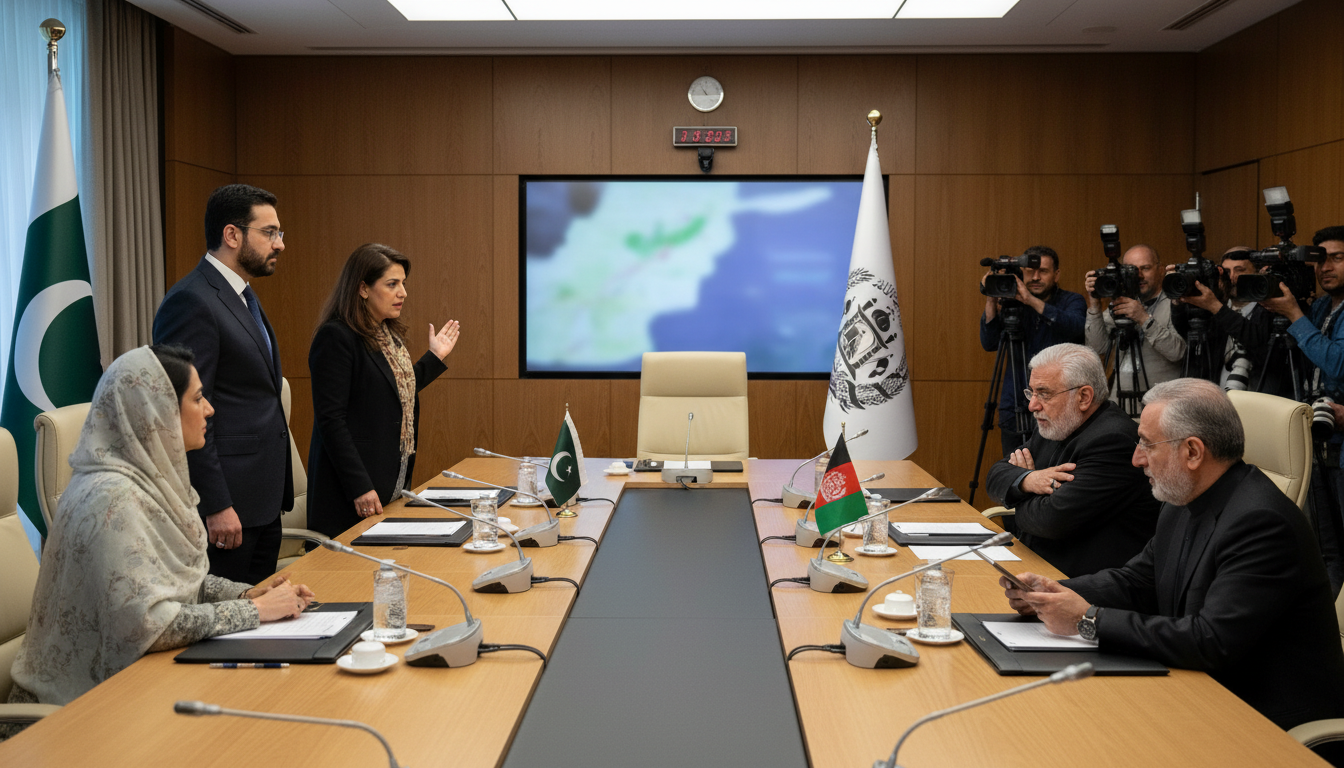
China-mediated talks and the March truce
The incidents threaten a March truce brokered during China-hosted talks, a diplomatic effort that followed intense fighting earlier this year and a period in which both capitals signaled willingness to avoid escalation. China has been credited with facilitating the Eid al-Fitr-era agreement that temporarily halted weeks of open hostilities between Pakistani forces and Afghan-based fighters.
Regional states including Turkey, Qatar, the United Arab Emirates and Saudi Arabia have also engaged to steady ties and persuade the parties to return to negotiated calm. Diplomats say the truce was fragile from the outset, relying on both sides restraining proxies and security forces during sensitive local incidents.
Security concerns linked to Tehreek-e-Taliban Pakistan
A central point of contention between Islamabad and Kabul remains the presence and activity of the Tehreek-e-Taliban Pakistan (TTP), which Pakistan accuses of using Afghan territory as a base to launch deadly attacks inside Pakistan. Islamabad has sought guarantees from Afghan authorities that TTP operations will be curtailed and bases dismantled.
The Taliban government rejects blanket responsibility for all militant activity on its soil and has argued that Pakistan, too, harbors hostile groups, creating a cycle of mutual accusations. Security analysts warn that without concrete steps to address cross-border militant networks, isolated incidents can rapidly escalate into broader confrontations.
Economic and humanitarian consequences at the border
The frontier between Pakistan and Afghanistan has effectively remained closed since severe cross-border violence last autumn, halting bilateral trade and disrupting livelihoods in markets dependent on cross-border commerce. Local communities and traders have reported mounting economic strain, with farmers and small merchants among those most affected by border closures and security restrictions.
Humanitarian organizations express concern that renewed strikes and the prospect of resumed air operations would further displace families and interrupt schooling and medical services in already fragile provinces. Damage to educational institutions cited in Afghan statements has prompted calls for independent verification and protection of civilians and schools under international norms.
The recent exchange follows months of intense fighting earlier this year, including operations in February that drew reciprocal strikes and at one point prompted Pakistan to describe the situation as “open war.” That confrontation prompted international appeals for restraint and led to the negotiation of the March truce meant to halt immediate bloodshed.
International mediators and neighbouring states are likely to press both capitals for calm and for mechanisms that allow independent monitoring of border incidents. Observers note that rebuilding confidence will require transparent investigations into reported civilian casualties and clear commitments from both sides to avoid military responses to local clashes.
With diplomatic channels strained but still open, the coming days will be critical in determining whether the China-mediated ceasefire can be salvaged or whether the latest cross-border attacks mark the start of another broader cycle of violence.
