
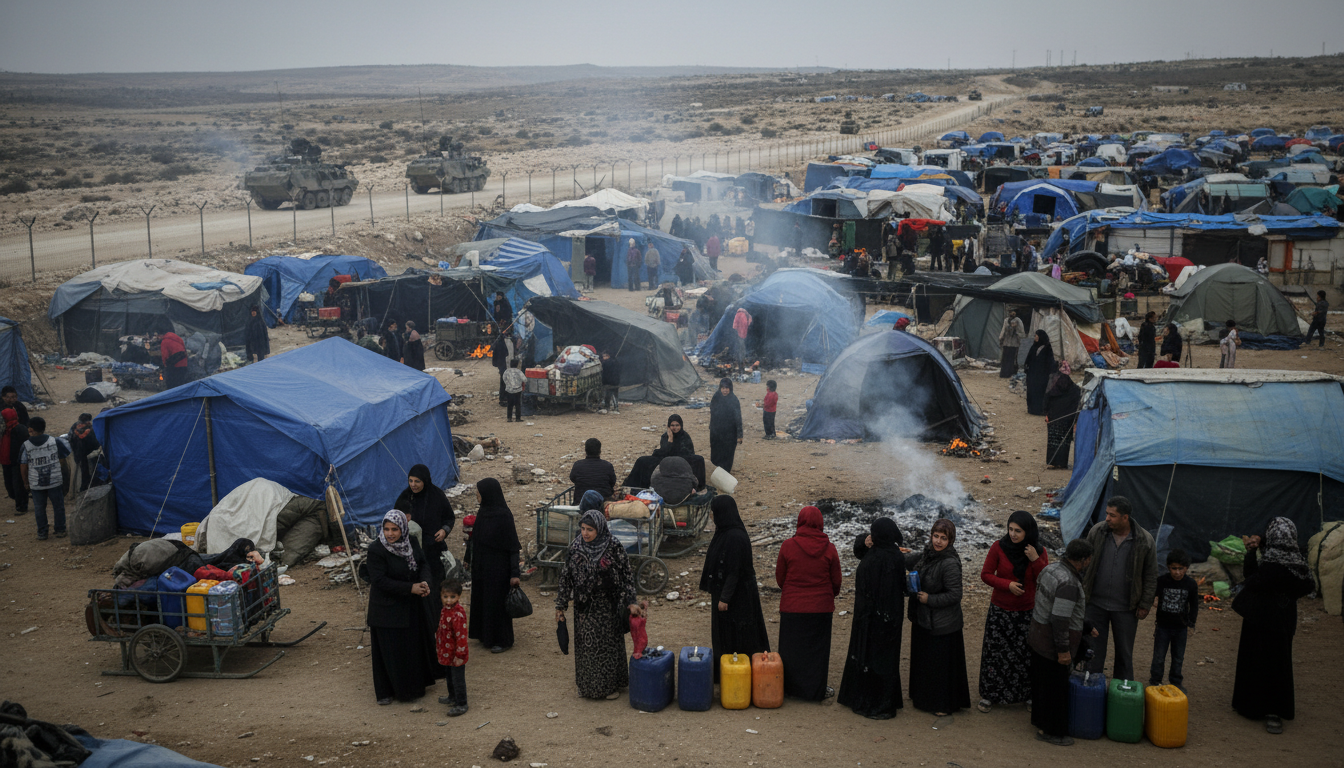
Israeli strikes in Lebanon displace a fifth of the population as tactics mirror Gaza
Israel’s widespread strikes in Lebanon have forced nearly one-fifth of the country’s residents from their homes, deepening an already severe humanitarian crisis as officials say tactics similar to those used in Gaza are being applied across the border.
The pattern of aerial and artillery bombardment, destruction of housing and damage to civilian facilities has driven mass displacement and strained emergency services in multiple Lebanese governorates. Human rights and aid organizations have documented extensive damage and are urging immediate measures to protect civilians and restore access for relief.
Israeli strikes displace one-fifth of Lebanon’s population
As of April 30, 2026, Lebanese authorities estimate that roughly 20 percent of the population has fled their homes following intensified cross-border strikes. Entire neighbourhoods and towns have reported large-scale evacuations, with civilians seeking shelter in schools, municipal buildings and with relatives in safer areas.
Local officials and humanitarian groups warn that displacement is continuing as strikes damage residential areas, further stretching shelter capacity and basic services. The scale of movement has overwhelmed local response mechanisms and increased the risk of secondary humanitarian harms such as disease and food insecurity.
Defence minister says Gaza tactics are being replicated
Israel’s defence minister has publicly framed operations in Lebanon as employing tactics similar to those used in Gaza, a claim that officials say explains the focus on extensive bombardment of suspected militant positions embedded in civilian areas. The comparison has raised alarm among rights groups who say the methods used in Gaza led to high civilian casualties and widespread infrastructure collapse.
Analysts caution that applying the same operational approach across a different geographic and civilian context magnifies the humanitarian toll. Observers note that densely populated towns and limited evacuation routes in some Lebanese regions make civilian protection especially challenging.
Housing and civilian infrastructure extensively hit
Reports from rights monitors document consistent patterns of damage to homes, apartment buildings, hospitals and schools across several districts. The destruction of water, power and communications infrastructure has compounded the immediate dangers posed by the strikes and hindered relief operations.
Damage to civilian facilities has not only displaced families but also interrupted routine medical care and education, according to local aid coordinators. Repair and reconstruction needs are expected to be significant and long-term, demanding substantial international assistance.
Human rights and aid groups call for protections and access
Human Rights Watch researchers in Beirut have detailed incidents of indiscriminate destruction and urged Israel to take immediate steps to reduce civilian harm. Aid organisations including Oxfam have called for unimpeded humanitarian access, safe corridors and increased funding to respond to shelter, water and food needs.
Protection advocates warn that without clearer measures to distinguish combatants from civilians and to preserve humanitarian space, the civilian death toll and displacement figures will continue to rise. They are pressing both parties and international actors to uphold obligations under international humanitarian law.
Analysts warn of wider regional escalation and military dynamics
Military analysts monitoring the Levant warn that the replication of Gaza-style tactics in Lebanon raises the risk of a broader, more prolonged confrontation across the northern front. Experts based in Beirut and international commentators say cross-border exchanges and the involvement of multiple armed groups could rapidly complicate the security picture.
Commentators point to the potential for spillover incidents and miscalculation to draw neighbouring states or non-state actors into deeper involvement. The interplay of tactical decisions on the ground and regional political calculations will be a key determinant of whether the conflict expands or de-escalates.
Humanitarian response hampered as needs grow
Aid agencies on the ground report urgent needs for shelter, clean water, medical supplies and psychosocial support for thousands of displaced families. Logistics challenges and damaged infrastructure are limiting the speed and scale of deliveries, while funding appeals are racing to meet a sudden surge in demand.
Donors and international organizations are being urged to prioritise immediate lifesaving assistance while planning for medium-term recovery and reconstruction. Local responders emphasise that restoring basic services and securing safe returns for displaced people will require coordinated international support.
Civilians in Lebanon continue to face acute danger and displacement as strikes persist and essential services remain disrupted. As of April 30, 2026, authorities, rights groups and aid agencies are calling for urgent steps to protect non-combatants, ensure humanitarian access and prevent further deterioration of the humanitarian and security situation.
