
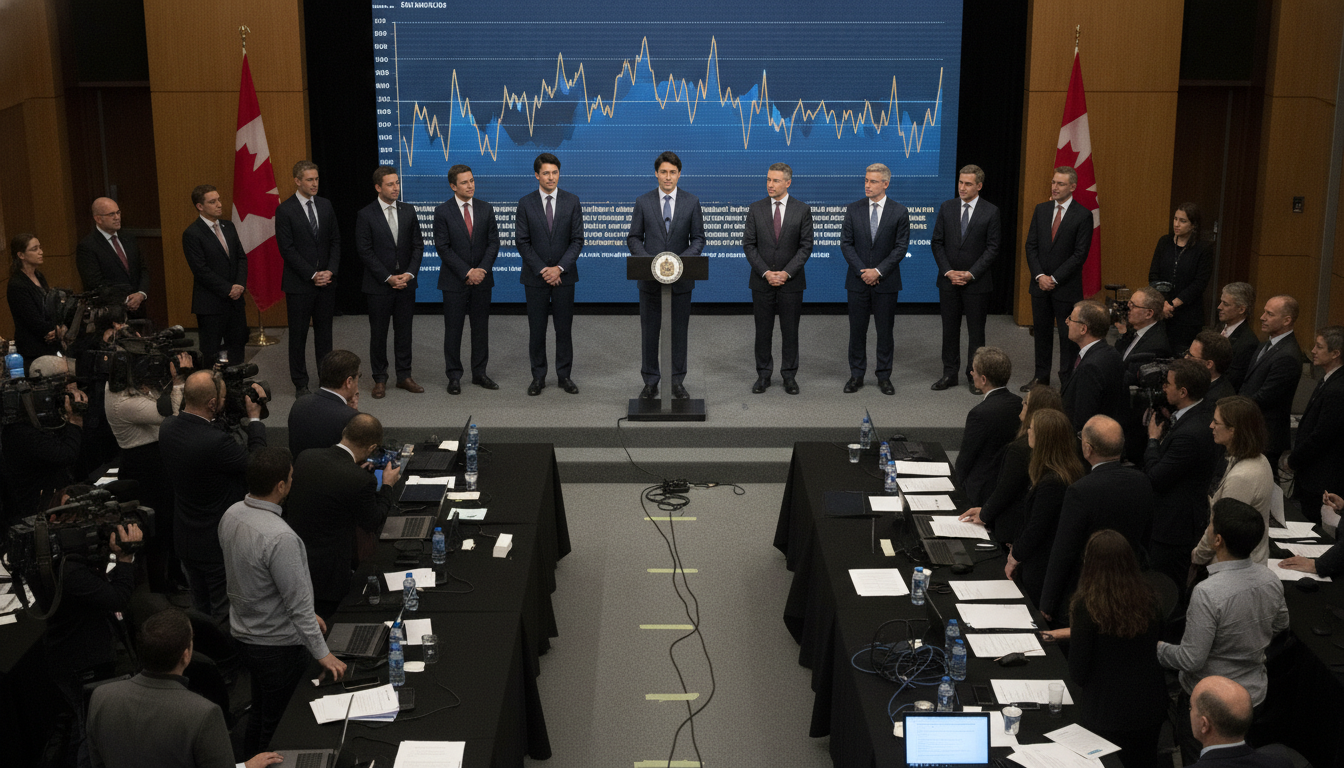
Spring oil surge to shape Canada’s budget deficit as $9.4B shortfall faces August review
Federal budget deficit of $9.4B will be re-evaluated in a late‑August fiscal update to determine how April–June oil price gains altered revenues for 2026.
Budget forecast and upcoming fiscal update
The federal budget delivered in February forecast a budget deficit of $9.4 billion for the fiscal year. Officials said the government will report on how the spring surge in oil prices affected that projection in its next fiscal update, scheduled near the end of August 2026.
That fiscal update will cover the first quarter of the 2026/27 fiscal year, specifically April 1 to June 30, 2026. The timing means the government will disclose early revenue and spending figures before the fall economic statement.
Spring oil price surge and revenue sensitivity
A sharp rise in oil prices during the spring has the potential to change federal revenue receipts from resource royalties, corporate taxes and exports. Because Canada’s federal revenues are partly sensitive to commodity prices, higher oil receipts can reduce the projected deficit or improve the fiscal cushion.
Analysts note that the magnitude of the impact will depend on price levels sustained through June and how much additional corporate and resource-related taxes are realized. The April–June quarter will be the first accounting period to fully reflect the recent price movements in official figures.
What the Q1 fiscal update will disclose
The August fiscal update is expected to present revised revenue estimates, updated economic assumptions and preliminary program spending figures for Q1. It will also likely show updated estimates for nominal GDP, which factor into tax receipts and debt‑to‑GDP metrics.
Officials typically use the summer update to adjust near‑term projections rather than rewrite multi‑year plans. Still, a material change in commodity‑driven revenue could prompt a reassessment of the short‑term deficit path and contingency measures in the fiscal framework.
Risks and uncertainties around the deficit outlook
While higher oil prices can lift revenue, the outcome is uncertain and subject to volatility in global markets. Prices can reverse quickly, and not all revenue gains translate immediately to the federal ledger because of timing, tax structures and transfers to provinces.
Other factors could offset oil‑related gains, including slower consumer spending, higher interest costs, or unexpected program expenditures. The government will face choices about whether to use windfalls to reduce borrowing, increase one‑time investments, or bolster contingency reserves.
Market and policy implications
Financial markets will watch the August update for any signal the government intends to revise borrowing plans or adjust debt issuance. A narrower deficit could modestly reduce the government’s financing needs, while a larger-than-expected improvement might ease near‑term pressure on bond supply.
Policy makers will also consider how any revenue change aligns with fiscal priorities announced in February. Ministers may face pressure to direct additional funds to infrastructure, health transfers or targeted relief if revenues permit, but they must balance that against longer‑term fiscal targets.
Political and programmatic consequences
A marked improvement in the budget deficit could be framed by the government as fiscal prudence or as room for new investments ahead of future fiscal planning. Conversely, if higher oil receipts fail to materialize in full, opposition parties are likely to highlight the persistence of the $9.4‑billion shortfall outlined in February.
Provincial governments and stakeholders in resource sectors will be attentive to revised federal forecasts, given how federal policy signals can influence provincial budgets and private investment decisions. The August update will therefore carry both fiscal and political weight.
The end‑of‑August fiscal update will provide the first official window into how the spring surge in oil prices affected federal finances for April through June 2026, and it will set the tone for budgetary choices as the government moves into the fall economic cycle.
