
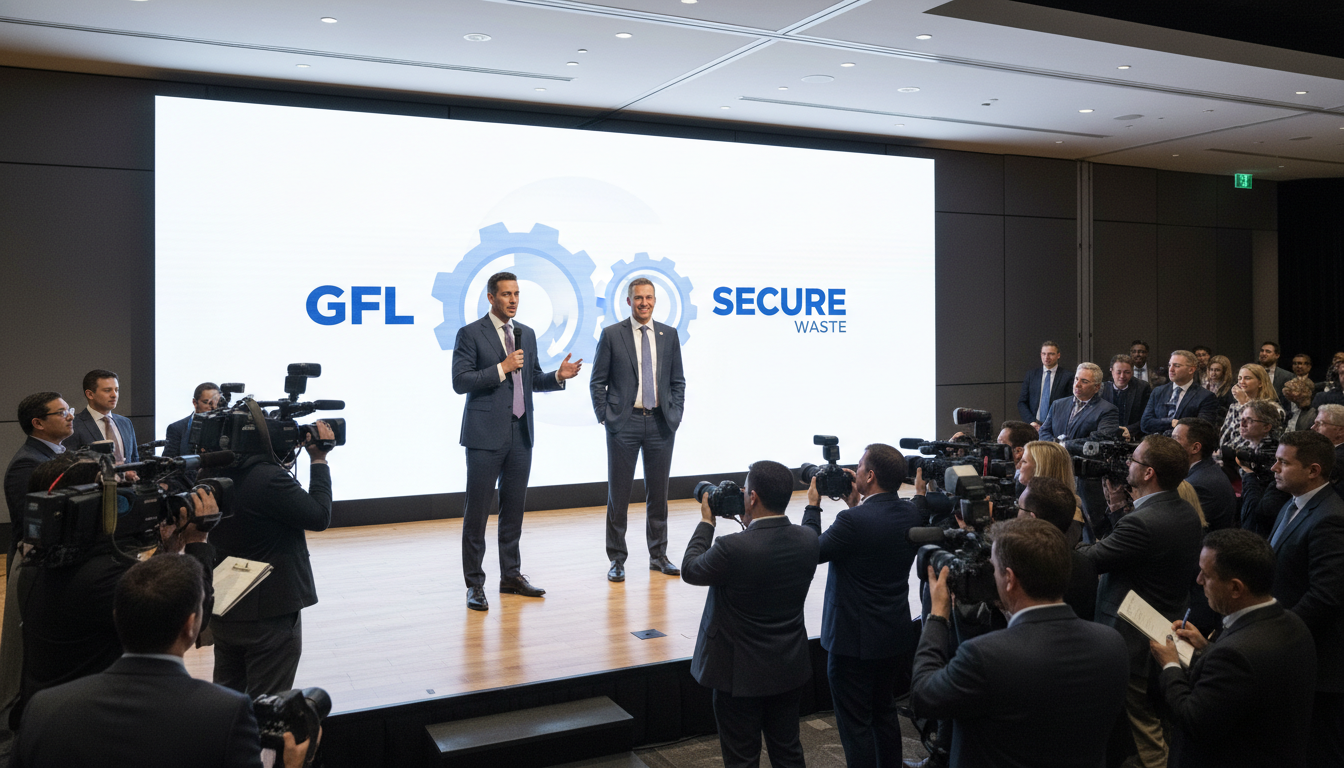
GFL buys Secure Waste for $6.4B, seeks Competition Bureau approval
GFL buys Secure Waste for $6.4B, seeking Competition Bureau approval in coming weeks to expand its footprint and services across Western Canada and North Dakota
One of North America’s largest environmental services companies, GFL Environmental Inc., announced on Monday that it will acquire Calgary-based Secure Waste Infrastructure Corp. for about $6.4 billion. The deal, which GFL says will broaden its presence in Western Canada and North Dakota, is being positioned to regulators as complementary rather than competitive. GFL buys Secure Waste is the central focus of the transaction and will require a regulatory filing with the Competition Bureau in the coming weeks.
Terms of the transaction and timeline
The purchase price for Secure Waste is approximately $6.4 billion, the companies said in a joint statement to analysts. GFL’s chief executive indicated both firms plan to file their submission with the Competition Bureau within the next two weeks, aiming for a straightforward review process. Executives have framed the timetable as aggressive but achievable, with the expectation that prior regulatory work related to Secure Waste will inform the Bureau’s evaluation.
Regulatory history and potential hurdles
Secure Waste has a recent regulatory history that included a blocked merger with Calgary-based Tervita Corp., a decision the Competition Bureau successfully defended at the Supreme Court of Canada. That 2023 ruling forced Secure Waste to divest more than $1 billion in assets to Waste Connections Inc., and the precedent remains a factor in the current review. GFL executives acknowledged that history but argued the nature of their combined operations is different and should not prompt the same outcome.
Executives’ rationale and growth strategy
GFL’s CEO, Patrick Dovigi, said the combined company will be “highly complementary,” emphasizing an expansion of services and capacity rather than the elimination of competitors. Secure Waste’s chief executive, Allen Gransch, described the sale as a way to accelerate growth and scale services for customers by leveraging GFL’s platform. GFL also moved its executive headquarters to Miami earlier this year to access international capital, while remaining incorporated in Ontario, underscoring its broader growth ambitions.
Operational footprint and assets
Since opening its first facility in 2007, Secure Waste expanded to more than 80 facilities focused on recovery, recycling and disposal across Western Canada and in North Dakota. Those sites serve oil and gas operations in the Western Canadian Sedimentary Basin, a region long central to Canada’s petroleum and natural gas industry. GFL has operated in Western Canada for 16 years and said the acquisition will increase its exposure to what it views as a regional growth engine.
Integration plans and workforce assurances
GFL has signaled that Secure Waste’s brand will gradually migrate to the GFL platform but that the deal is not intended to drive immediate facility consolidation or workforce reductions. The company’s CFO noted a national trend toward larger, more concentrated landfill facilities as smaller regional sites close, a shift the merged company expects to manage strategically. Executives told analysts they expect integration to be “very smooth” and “very quick,” minimizing operational disruption for customers and employees.
The companies said they will present remedies and structural details to the Competition Bureau as required, drawing on previous regulatory reviews of Secure Waste’s transactions. Analysts will be watching whether the Bureau seeks asset divestitures similar to the earlier Tervita matter or accepts the firms’ arguments about complementary services and market dynamics.
GFL’s move to acquire Secure Waste represents a large consolidation in the Canadian environmental services sector and signals continued interest in scaling waste management infrastructure across energy-producing regions. If approved, the deal would broaden GFL’s operational footprint and service offerings while testing how Canada’s competition authorities interpret market overlap in a changing landfill and recycling landscape.
