
Fort McMurray wildfire: Ten years after May 3, 2016, lessons reshape Alberta’s wildfire response
A decade after the Fort McMurray wildfire forced the evacuation of roughly 90,000 residents, Alberta’s wildfire management and local recovery efforts have been fundamentally altered. The 2016 Fort McMurray wildfire is still cited by officials as a turning point that exposed vulnerabilities in urban wildfire preparedness. Alberta Wildfire leaders say those lessons have driven policy and operational changes ahead of future wildfire seasons.
Historic blaze forced mass evacuation
The blaze that began in early May 2016 swept into Fort McMurray on May 3, 2016, becoming one of Canada’s largest urban evacuations. Within hours, tens of thousands of residents left homes, businesses and oil-sands work sites as fire and smoke threatened neighbourhoods across the city.
Emergency managers have since described the scale and speed of the evacuation as unprecedented for a developed northern community. The event prompted emergency planners to reassess evacuation routes, shelter capacity and mass-notification systems across Alberta and beyond.
Immediate response exposed gaps
First responders faced steep logistical and communication challenges during the emergency, officials later reported. Firefighters and municipal staff struggled with fuel and equipment shortages, conflicting information and the sheer volume of calls for assistance during the initial days.
Those operational shortcomings highlighted the need for clearer command structures and better interagency coordination. Municipal and provincial reviews pointed to specific gaps in incident command, road network resilience and the ability to rapidly move vulnerable populations.
Alberta Wildfire implemented structural changes
Alberta Wildfire officials say the agency now operates with revised processes and expanded capabilities in direct response to the Fort McMurray experience. Enhanced risk mapping, faster aircraft deployment and improved public-information units are among the changes officials have implemented since 2016.
Information management and community outreach were also strengthened, with dedicated communications teams intended to provide clearer, more consistent messaging during fast-moving incidents. The aim has been to reduce confusion in evacuation orders and to improve trust between agencies and affected residents.
Community recovery and housing efforts
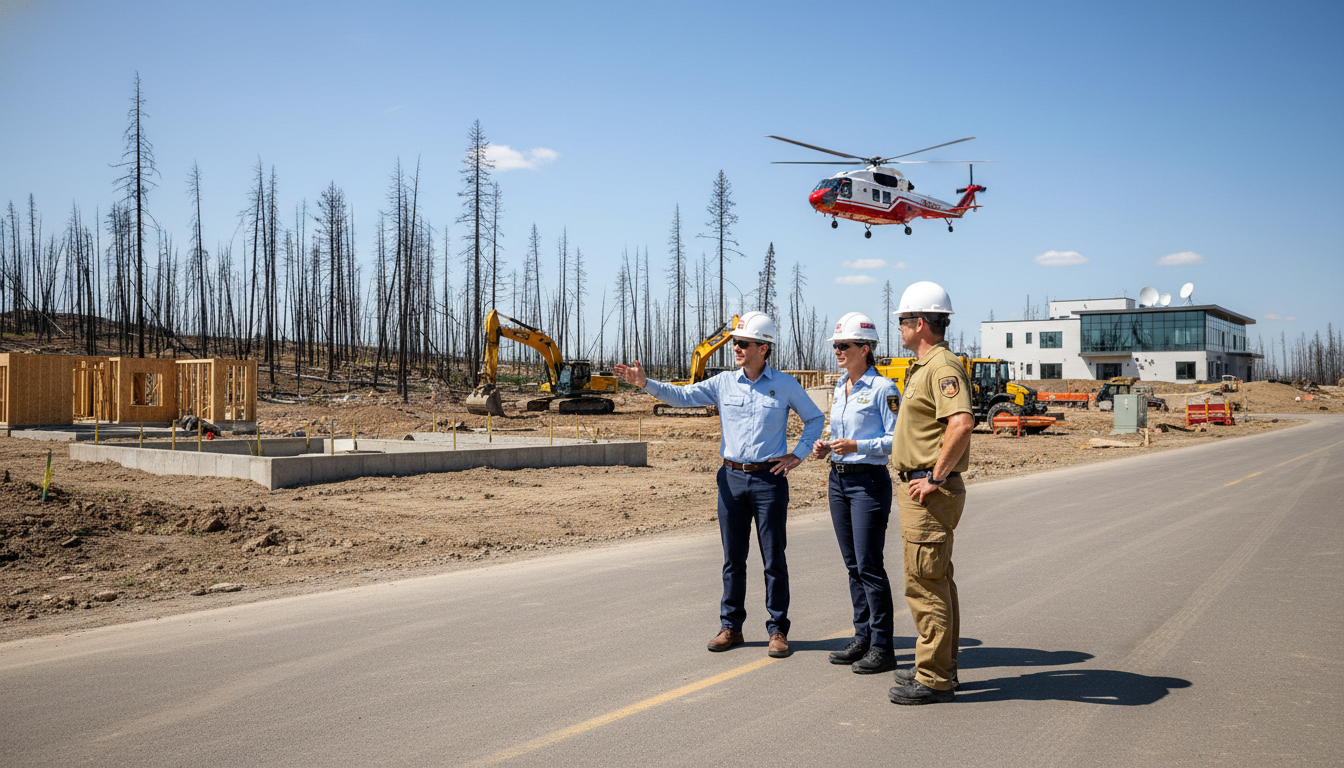
In the years after the fire, Fort McMurray’s recovery has involved rebuilding thousands of homes and restoring key services. The province and local authorities introduced programs for temporary housing, debris removal and financial supports, but residents and civic leaders say recovery is a multi-year, often uneven process.
Reconstruction has also raised questions about land use and building standards in fire-prone zones. Local planners and builders have incrementally adopted tougher construction practices and vegetation management rules to reduce structural vulnerability in future wildfire events.
Policy shifts and investments across Alberta
The Fort McMurray wildfire prompted provincial policy reviews that moved beyond immediate firefighting to address broader resilience. Investments in firefighting aircraft, wildfire detection technologies and regional response teams increased following the 2016 season, according to government briefings.
Provincial authorities also pursued reforms to emergency management legislation and disaster-recovery funding frameworks. These measures aim to streamline aid delivery after catastrophic events and to align municipal planning with provincial wildfire-risk assessments.
Preparedness lessons for other communities
Officials and emergency planners now stress that even well-developed communities are exposed to wildfire risk when conditions align. The Fort McMurray case is frequently cited in municipal planning workshops as a cautionary example of how quickly wildfires can escalate in populated areas.
Practical lessons emphasize maintaining defensible space around homes, improving evacuation route redundancy, and routinely testing public-alert systems. Emergency-management experts also recommend integrating wildfire scenarios into regular municipal exercises to keep response systems current.
A decade on, Fort McMurray’s experience continues to inform wildfire policy and community preparedness across Alberta. Officials say the province is better positioned today to detect, respond to and communicate about wildfires, but they acknowledge that adaptation is ongoing as climate and landscape conditions evolve.
