
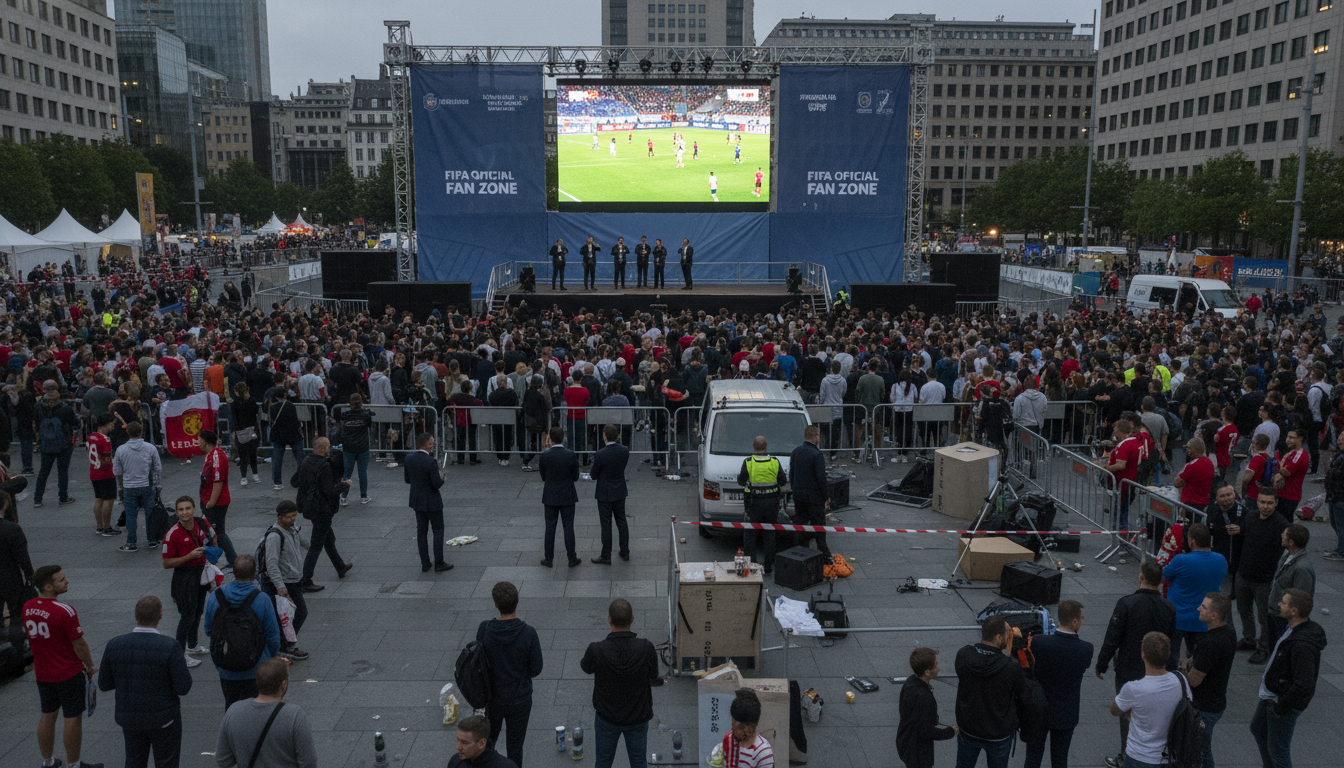
Gowling warns Canadian venues to heed FIFA watch party rules as enforcement follows visibility
Gowling lawyers warn Canadian venues about FIFA watch party rules: heavy promotion can trigger swift enforcement by FIFA, rightsholders or local authorities.
The law firm Gowling has cautioned venues, brands and event organizers about FIFA watch party rules, saying the biggest risk comes from how public screenings are promoted. Their briefing notes that FIFA tightly controls references to the tournament and any implied affiliation with its sponsors, and that enforcement tends to follow visibility. The advisory is aimed at Canadian bars, community groups and marketing teams preparing public World Cup screenings and other FIFA-related events.
Gowling flags enforcement risk tied to promotion
Gowling’s lawyers told clients that enforcement attention often tracks with an event’s visibility rather than simply the act of screening a match. According to the firm, heavily advertised watch parties, campaigns tied to brand activations or events positioned as officially affiliated increase the likelihood of being challenged. That pattern means the way events are marketed can be as legally significant as the screening itself.
The firm’s analysis underscores that visible use of tournament imagery, sponsor logos or themed marketing can prompt inquiries from FIFA, commercial rightsholders or local regulators. Organizers who assume passive screenings are safe may still face enforcement if promotional activities amplify the event.
FIFA’s commercial controls and trademark protections
FIFA maintains a well-established commercial regime around its tournaments, including trademarks and exclusive sponsor arrangements designed to protect revenue streams. That framework restricts unauthorised use of official marks, logos, and phrases that suggest an endorsed or official experience. Rights holders routinely monitor public messaging and have legal teams prepared to respond to perceived infringements.
Enforcement actions can range from cease-and-desist letters to demands for licensing fees, and in some jurisdictions may escalate to legal proceedings or fines. The degree of response often depends on the prominence and commercial nature of the use, as well as the potential to dilute sponsor value.
Implications for Canadian venues and promoters
For Canadian bars, restaurants and event promoters the advisory highlights concrete operational risks around FIFA watch party rules. Small venues that advertise on social media, sell sponsorship packages to local brands, or run themed marketing campaigns may inadvertently cross lines that attract enforcement. Municipal licensing, liquor regulations and lease agreements can further complicate matters when commercial promotions are involved.
Venue operators told Gowling and industry associations that many rely on match-day crowds for revenue, increasing the temptation to promote screenings aggressively. The firm advises balancing commercial opportunity with trademark and sponsorship constraints to avoid costly disputes or forced changes to marketing plans.
Legal options and licensing pathways
Gowling outlines several legal avenues for organisers who want to host promoted watch parties without provoking enforcement. Obtaining a public performance licence from relevant broadcasters or rights holders is a primary route, though licenses for major tournaments can be complex and costly. Alternative approaches include limiting promotional language, avoiding official marks, and structuring events as private or member-only gatherings where licensing requirements differ.
Legal advisers also recommend documenting steps taken to avoid implying an official affiliation, such as clear disclaimers, careful use of imagery, and avoiding sponsor name-dropping. In cases where a platform or campaign already draws attention, swift remedial action and engagement with rights holders can sometimes resolve disputes before they escalate.
Marketing practices that reduce legal exposure
Practical marketing changes can significantly lower the chance that a watch party will attract enforcement under FIFA watch party rules. Gowling suggests avoiding the use of official FIFA logos, tournament emblems, sponsor names or trademarked phrases in promotional materials. Neutral language like “match viewing” or “match night” and original creative that does not mimic official branding are safer options.
Limiting paid amplification, refraining from commercial tie-ins with national or multinational brands linked to the tournament, and keeping promotional distribution to in-venue channels rather than broad public advertising are additional measures. These steps can help organisers capture fan interest while reducing the risk that visibility will trigger rightsholder scrutiny.
Industry reaction and responsibilities for sponsors
Marketing and hospitality sectors in Canada say the warning underscores shared responsibilities among venues, agencies and sponsors when planning public events tied to global sports properties. Sponsors and agencies running brand campaigns must vet creative for potential trademark conflicts and ensure partners understand licensing boundaries. Local authorities and property owners also play a role in monitoring signage, advertising and contractual use of premises for commercial events.
Industry trade groups have previously urged clearer, accessible guidance from rights holders to help small businesses navigate requirements, especially when major tournaments bring sudden spikes in public demand for screenings.
As tournament season approaches, Canadian venues and promoters should treat promotion as part of the legal risk equation under FIFA watch party rules. Taking early legal and commercial advice, using neutral marketing, and pursuing appropriate licensing where needed will reduce the chance of disruptions. Careful planning allows businesses to host popular match screenings while respecting the rights and commercial arrangements that govern international sporting events.
