
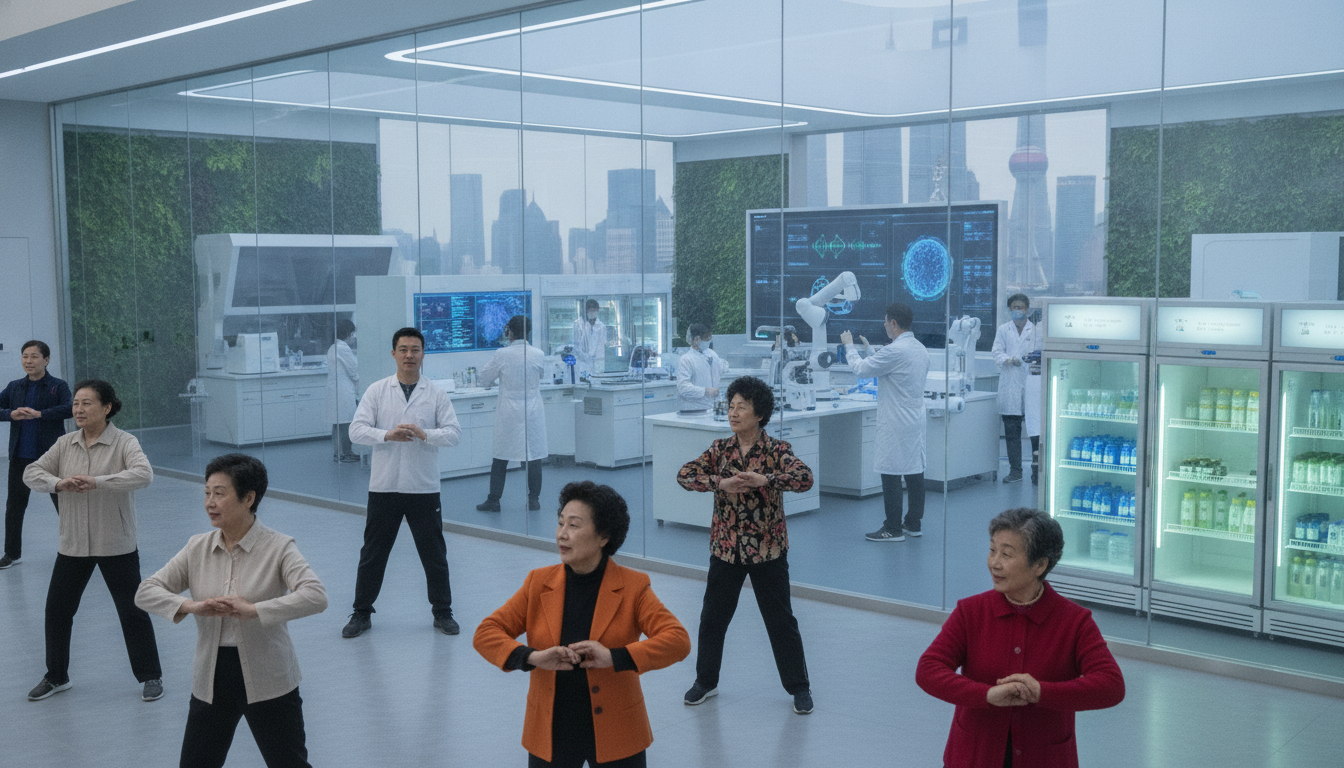
China longevity market accelerates as clinics and investors target ageing population
China longevity market sparks surge in clinics, supplements, and biotech as investors eye services for an ageing population; regulators and scientists caution on evidence and safety.
China’s longevity market is rapidly taking shape as private clinics, wellness brands and biotech firms push anti‑ageing therapies to a growing domestic audience. The trend, which mirrors established markets in the United States, centers on interventions from supplements and oxygen therapies to hyperbaric chambers and experimental cell treatments. With a population of roughly 1.4 billion and one of the world’s fastest‑ageing demographics, demand is drawing investors and raising questions about safety, oversight and clinical evidence.
Market emergence and industry momentum
Private health clinics and lifestyle centres across major Chinese cities are expanding services billed under the broad banner of longevity. These businesses package diagnostics, nutraceuticals, hormone treatments and aesthetic procedures as part of comprehensive anti‑ageing programs aimed at wealthier consumers.
Biotech start‑ups and established pharmaceutical companies are positioning longevity as a growth vertical, combining research into cellular therapies with consumer‑facing products. Venture funding and luxury wellness spending are creating an ecosystem where medical, lifestyle and commercial interests converge around the China longevity market.
Range of therapies being promoted
Providers are offering a mix of low‑risk wellness services and higher‑risk medical procedures under longevity labels. Common offerings include dietary supplements, vitamin infusions, oxygen therapy, and hyperbaric chamber sessions marketed to improve energy and recovery.
On the medical end, clinics promote regenerative approaches such as stem‑cell interventions and advanced biologics, often alongside diagnostic packages claiming to detect markers of biological ageing. Scientists and clinicians caution that many of these treatments lack robust, peer‑reviewed evidence for long‑term safety or proven benefits in healthy aging.
Demographics fuel market potential
China’s shifting age profile is a central engine for market expansion, with an accelerating proportion of older adults creating sustained demand for therapies that promise longer, healthier lives. Analysts see the sheer scale of the population as a powerful incentive for companies to scale products and services rapidly.
Rising incomes and urbanization also support a consumer base willing to pay for premium health and lifestyle services. For companies and investors, the convergence of demographic pressure and consumer spending makes the China longevity market an attractive, if complex, commercial opportunity.
Regulatory and clinical scrutiny
Regulators face the dual challenge of enabling innovation while protecting the public from unproven or unsafe interventions. Authorities have increased oversight of medical advertising and the licensing of clinics, but enforcement and clear standards for longevity claims remain inconsistent across regions.
Medical researchers emphasise the need for controlled clinical trials and transparent outcome data before wide adoption of invasive procedures marketed for longevity. Without rigorous evidence, critics warn, the field risks commodifying hope and exposing patients to unnecessary financial and health harms.
Investor interest and global comparisons
International attention to longevity—most prominent in U.S. venture capital and biotech hubs—has influenced Chinese investors and companies to adopt similar business models. Cross‑border collaborations and technology transfers are growing, as are domestic efforts to translate longevity science into local products.
However, observers note differences in market structure: Chinese uptake is often channelled through private clinics and consumer brands rather than through established medical institutions. This commercial orientation amplifies questions about quality control and the appropriate role of medical professionals in marketing longevity services.
Public health and ethical considerations
Public health experts stress that population‑level strategies—preventive care, chronic disease management, and environmental improvements—remain essential to healthy ageing and should not be overshadowed by commercial longevity offerings. Equity concerns also arise, as high‑cost treatments risk widening disparities in access to age‑related care.
Ethical questions include informed consent, realistic communication of benefits and risks, and the protection of vulnerable older adults from misleading claims. Advocates call for clearer guidance for providers and consumers, backed by independent research and stronger regulatory enforcement.
China’s longevity market is expanding quickly as companies, clinics and investors respond to demographic shifts and consumer demand. The sector blends wellness trends with ambitious medical claims, creating both economic opportunity and public‑health challenges. As momentum grows, experts say the priority should be robust clinical evidence, consistent regulation and transparent marketing so that longevity initiatives deliver measurable benefits rather than unverified promises.
