
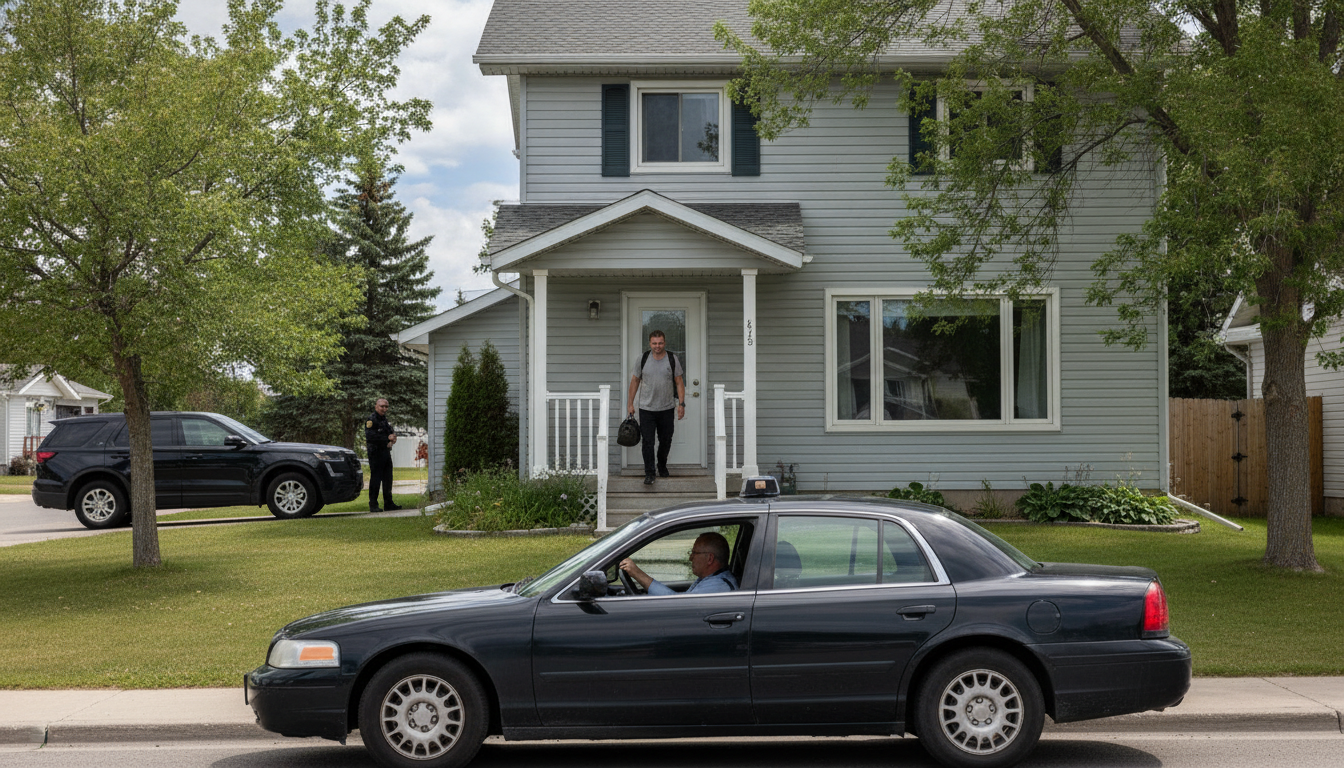
Man released on bail to Alberta Beach home while awaiting Recovery Acres rehab spot
Man released on bail to an Alberta Beach home on April 29, 2022, while awaiting a spot at Recovery Acres rehab; the case highlights bail and treatment gaps.
A 40-year-old man identified as Bone was released on bail on April 29, 2022, to the Alberta Beach residence of a man who had been in a relationship with Bone’s late uncle. Bone, who has spent much of his adult life in and out of custody, was permitted to stay at the home while he sought placement at Recovery Acres, a drug rehabilitation facility. The bail arrangement and the planned transfer to treatment have prompted discussion about how courts handle accused people with substance use issues.
Bail granted to a private residence
Court records show the bail order allowed Bone to reside at the Alberta Beach address while he awaited rehabilitation placement. The arrangement included a specific destination and a clear intention: interim residence until a spot opened at Recovery Acres. The decision to release an accused person to the home of a family acquaintance rather than to custody or a supervised setting reflects common judicial practice when treatment is part of a release plan.
Such bail placements typically come with conditions intended to reduce risk and ensure accountability. Conditions can include reporting requirements, restrictions on contact or travel, and limits on possession of drugs or weapons. In this case, the stated plan centered on facilitating access to treatment as a pathway away from offending and repeated incarceration.
Defendant’s criminal history and family connection
Publicly available information describes Bone, now 40, as having an extensive history of cycling through jail and community release. That record was a factor in the court’s assessment, but the presence of a stable interim residence and an expressed plan for rehabilitation appear to have influenced the decision to permit release. The residence belonged to a man who had a prior relationship with Bone’s deceased uncle, which the court accepted as a suitable temporary home.
Courts routinely weigh an accused person’s past record against current supports and the potential for rehabilitation. Where judges see a credible plan and a residence that offers supervision and stability, they may opt for release with conditions intended to address immediate safety and long-term rehabilitation goals.
Planned transfer to Recovery Acres drug rehabilitation
Bone told authorities he planned to remain at the Alberta Beach address while he awaited placement at Recovery Acres, a drug rehabilitation program cited in the court file. Recovery-centred treatment was described as the intended next step, underlining that the bail release was partly premised on access to addiction services. The move highlights the intersection between criminal justice decisions and the availability of community-based treatment options.
Delays in accessing rehabilitation — whether due to waitlists, bed shortages, or administrative processes — are a persistent obstacle for people seeking care. During such delays, courts and families often seek temporary solutions that balance immediate community safety with the accused person’s need for treatment and supervised reintegration.
Court balancing act between custody and treatment
Judges face a recurring challenge: deciding when detention is necessary to protect the public and when supervised release tied to treatment offers a better route. The choice to release Bone to a private home while he awaited a treatment spot illustrates a judicial preference in some cases for emphasizing rehabilitation over pre-trial detention. That approach is grounded in research indicating treatment can reduce reoffending for those whose offending is linked to substance use.
At the same time, decisions of this kind can draw scrutiny from victims, community members, and other stakeholders who question whether bail conditions are sufficient to mitigate risk. Courts must articulate clear conditions and monitoring mechanisms if they are to rely on treatment prospects as a reason for release.
Local treatment capacity and systemic gaps
The case underscores broader gaps in treatment capacity and the systemic strain on addiction services that can affect judicial outcomes. When facilities such as Recovery Acres have limited availability, individuals may remain in limbo — neither detained nor receiving the intended care. That liminality complicates supervision and places pressure on informal supports, including family members and acquaintances who provide residences.
Longer wait times for treatment carry consequences beyond the individual: they can prolong cycles of substance use and criminal justice involvement, increase burdens on emergency and policing services, and frustrate efforts to achieve lasting rehabilitation. Policy discussions increasingly call for expanded treatment capacity and better coordination between courts, health services, and community agencies.
Bone’s release on bail to the Alberta Beach home and his stated plan to enter Recovery Acres illuminate the practical tensions courts confront when treatment is central to a release decision. The case highlights the need for timely access to addiction services and for clear, enforceable conditions when release is used to support rehabilitation rather than detention.
