
Casablanca court hands up to 12 years in landmark "Escobar of the Sahara" drug and corruption case
Casablanca court convicts 29 in ‘Escobar of the Sahara’ drug and corruption trial, imposing up to 12 years and ordering extensive asset seizures and fines.
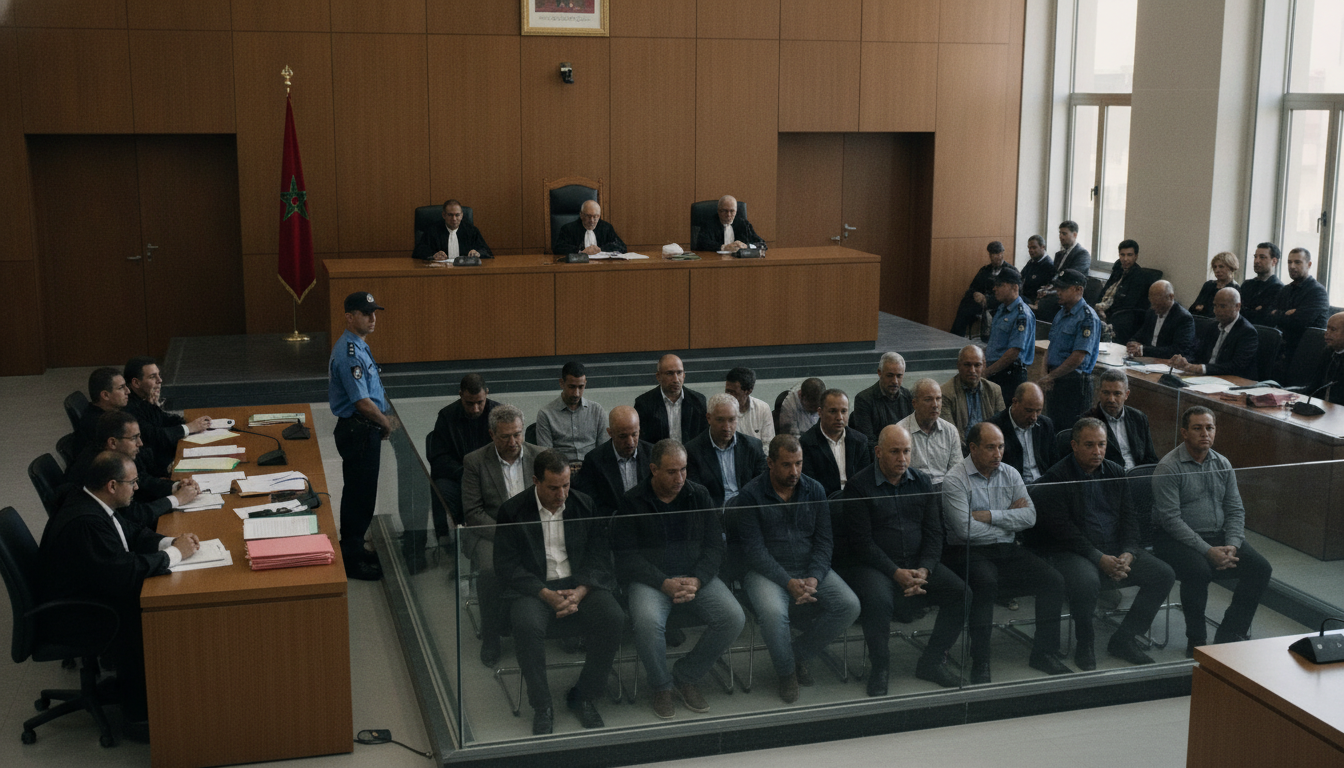
A Moroccan appeals court in Casablanca on Thursday sentenced 29 people to prison terms in a sweeping drug trafficking and corruption trial that has come to be known as the "Escobar of the Sahara" case. The verdicts, delivered after a two-year proceeding, included the longest term of 12 years and brought criminal penalties for senior figures from business, politics and sport. The decision also concluded one of Morocco’s largest anti-corruption operations in recent memory and carried significant asset seizures and financial penalties.
Casablanca court delivers verdict after two-year trial
The court announced sentences late on Thursday following hearings that stretched over two years and examined transnational trafficking networks and alleged corruption. Judges found defendants guilty on multiple counts, including drug trafficking, forgery, money laundering and corruption. Sentences for the group ranged from two to 12 years, reflecting distinct roles and degrees of culpability within the network.
Key defendants and their penalties
Among those handed the heaviest sentences were Abdennebi Bioui, a construction magnate and former regional council president, who received 12 years, and Said Naciri, the former president of Wydad Athletic Club and ex-member of parliament, who was sentenced to 10 years. Former MP Belkacem Mir was also given a 10-year term. Other accused individuals, several of whom held prominent local positions, received terms between two and nine years.
Scope of the trafficking and charges
Prosecutors described a sophisticated operation that moved tonnes of Moroccan cannabis resin across North Africa toward Europe while also handling cocaine shipments from Latin America. The indictment included allegations of gold trafficking alongside drug distribution, as well as schemes to launder proceeds and forge documents to obscure ownership. The court’s ruling ordered extensive seizures of assets and assessed hundreds of millions of dollars in customs and currency exchange fines against principal ringleaders.
Kingpin testimony and the ‘Escobar of the Sahara’ link
Central to the case was testimony from El Hadj Ahmed Ben Brahim, a notorious Malian trafficker widely dubbed the "Pablo Escobar of the Sahara." Currently serving a 10-year sentence in Morocco, Ben Brahim told investigators that former Moroccan associates had appropriated his luxury property and vehicles after his 2019 arrest. His courtroom statements helped prosecutors map financial flows, property transfers and alleged betrayals that prosecutors said tied political and business elites to the trafficking network.
Evidence, witnesses and courtroom dynamics
The trial examined testimony from more than a dozen witnesses alongside documentary evidence and financial records presented by prosecutors. Two civil parties joined the proceedings and lawyers for the defence sought to contest the chain of evidence and the reliability of certain witness accounts. The proceedings were complicated at times by external pressures, including a lawyers’ strike that left some family members of the accused without legal representation in the courtroom.
Asset seizures, fines and institutional fallout
Beyond prison terms, the court ordered seizures of properties linked to the scheme and imposed substantial fines related to customs and foreign-exchange violations. Moroccan media reported the estimated financial penalties reached into the hundreds of millions of dollars, a figure that officials said reflected both the scale of the trafficking and the value of improperly obtained assets. The scandal’s reach into political ranks prompted a public call from King Mohammed VI for a legally binding code of ethics intended to "moralise" parliamentary life and restore public trust in institutions.
Public reaction and next legal steps
Scenes outside the courthouse were tense as relatives reacted to the sentences, with some reportedly collapsing amid the verdicts; protesters and onlookers gathered to follow developments. Defence teams have the option to appeal to higher courts, and legal observers anticipate additional litigation that could extend the matter for months. The judgments mark a significant moment in Morocco’s anti-corruption efforts but are likely to spur further legal and political debate.
The Casablanca ruling closes a high-profile chapter in an extensive investigation into cross-border trafficking and alleged collusion with political and business figures, but it does not necessarily end scrutiny of how illicit profits were integrated into legitimate sectors. As appeals and administrative reviews proceed, Moroccan authorities face pressure to implement the ethical reforms called for by the monarchy while ensuring transparency in the enforcement of the court’s asset recovery orders.
