
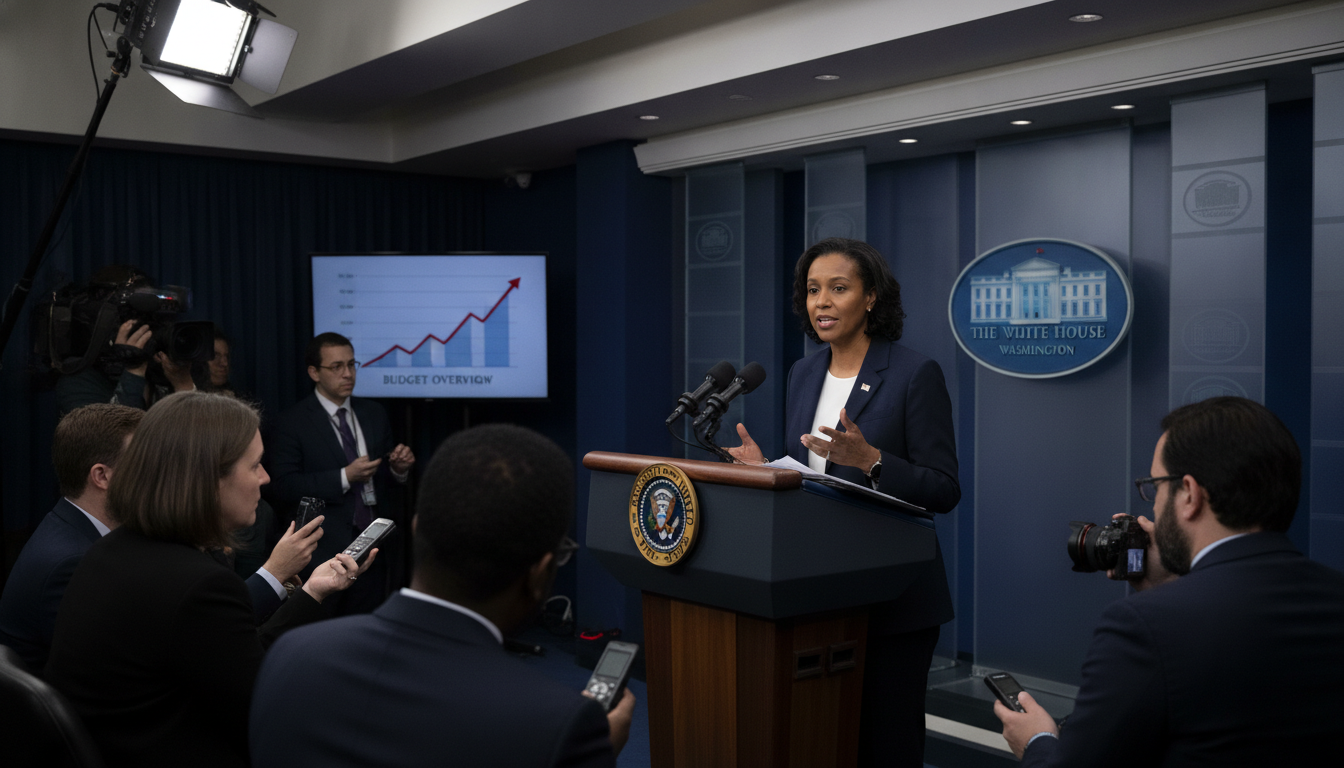
White House reconstruction plans for nearly $1bn ignite scrutiny over funding and security claims
White House reconstruction plans, centered on a proposed new ballroom and broad renovations, have prompted fresh scrutiny after reporting revealed nearly $1 billion in planned spending. The administration says the work is necessary for the security of the president and the grounds, but questions about funding sources and legal authority have intensified. Lawmakers, judges and watchdog groups are pressing for greater transparency as construction is paused in parts.
Administration Defends Reconstruction as Security Necessity
The White House has defended the reconstruction as “long-overdue and necessary,” arguing the upgrades are directly tied to presidential security and critical infrastructure. A senior spokesman said the work is being coordinated with the Secret Service and the White House Military Office to address vulnerabilities identified after high-profile events and threats.
Officials have emphasized that elements of the project are designed to protect the president, family and visiting dignitaries, framing the work as a security imperative rather than a purely aesthetic renovation. That rationale has been repeated across statements as critics and lawmakers press for detailed plans and cost justifications.
Financial Breakdown Shows Major Increases to Repair Account
Official documents show roughly $875 million was placed into the White House Repair and Restoration account, a fund that historically holds only modest sums for routine maintenance. Of that total, about $500 million reportedly came from the Secret Service and the White House Military Office, while another $305 million is described as private donations; an additional $70 million remains unidentified in the records.
Administration officials also said about $400 million toward a new ballroom would come from private donors and the president himself, according to statements from the White House. The size and composition of the funding package have prompted scrutiny because the repair account’s typical balance was a fraction of the current allocation.
Court Orders Halt to Ballroom Work Pending Review
A federal judge in Washington, D.C., recently ordered a stop to the ballroom portion of the project, finding that the planned construction may require congressional authorization under existing statutes. The injunction prevents further work on the ballroom until the legal questions about statutory authority and procedural compliance are resolved.
The ruling marks a significant check on the administration’s plans and underscores that even projects described as security-related must conform to federal law. Litigation around the build has added another layer of uncertainty and has produced calls for expedited hearings to determine whether the work can proceed.
Donor Ties and Contract Awards Raise Pay-for-Play Concerns
Advocacy groups and watchdogs have flagged potential conflicts of interest after reviewing the donor list and recent federal contracting patterns. One advocacy organization reported that corporate donors tied to the project received tens of billions of dollars in government contracts in the months leading up to the reconstruction plans, a finding that has fueled allegations of preferential treatment.
Lawmakers on both sides of the aisle have demanded disclosure of donor identities and any communications between donors and federal agencies. Ethics experts warn that even the appearance of quid pro quo can erode public trust and warrant formal oversight or criminal inquiry if improper exchanges are found.
Security Incidents Cited as Rationale, Including Anniversary Events
White House officials point to recent security incidents and the logistical pressures around major national events — notably the 250th anniversary celebrations — as drivers for the expedited work. The administration argues that the expanded facilities and upgraded infrastructure are essential to manage large-scale events and mitigate evolving threats.
Security briefings supplied to reporters emphasize coordination with the Secret Service and military personnel responsible for presidential protection, portraying the reconstruction as part of a broader resilience plan. Critics counter that security needs should be addressed through narrower, clearly authorized measures rather than expansive construction projects.
Congressional Oversight and Calls for Transparency Intensify
Members of Congress have pressed for full accounting of the expenditures and the legal basis for shifting funds into the repair and restoration account. Several lawmakers have proposed hearings to question White House officials and agency representatives about the source and use of funds, as well as the contracting process for construction firms involved.
Oversight committees are also exploring whether expedited procurement or informal agreements allowed certain contractors to gain advantage, and some are discussing potential legislative fixes to tighten controls on privately funded projects on federal property. The dispute has set up a likely sustained oversight fight in the months ahead.
The controversy over the White House reconstruction now sits at the intersection of security policy, legal authority and public ethics, leaving key questions unresolved about how the project will be funded, authorized and managed going forward. As courts, Congress and watchdogs weigh in, the administration says it will continue coordination with protective agencies while responding to demands for greater information.
