
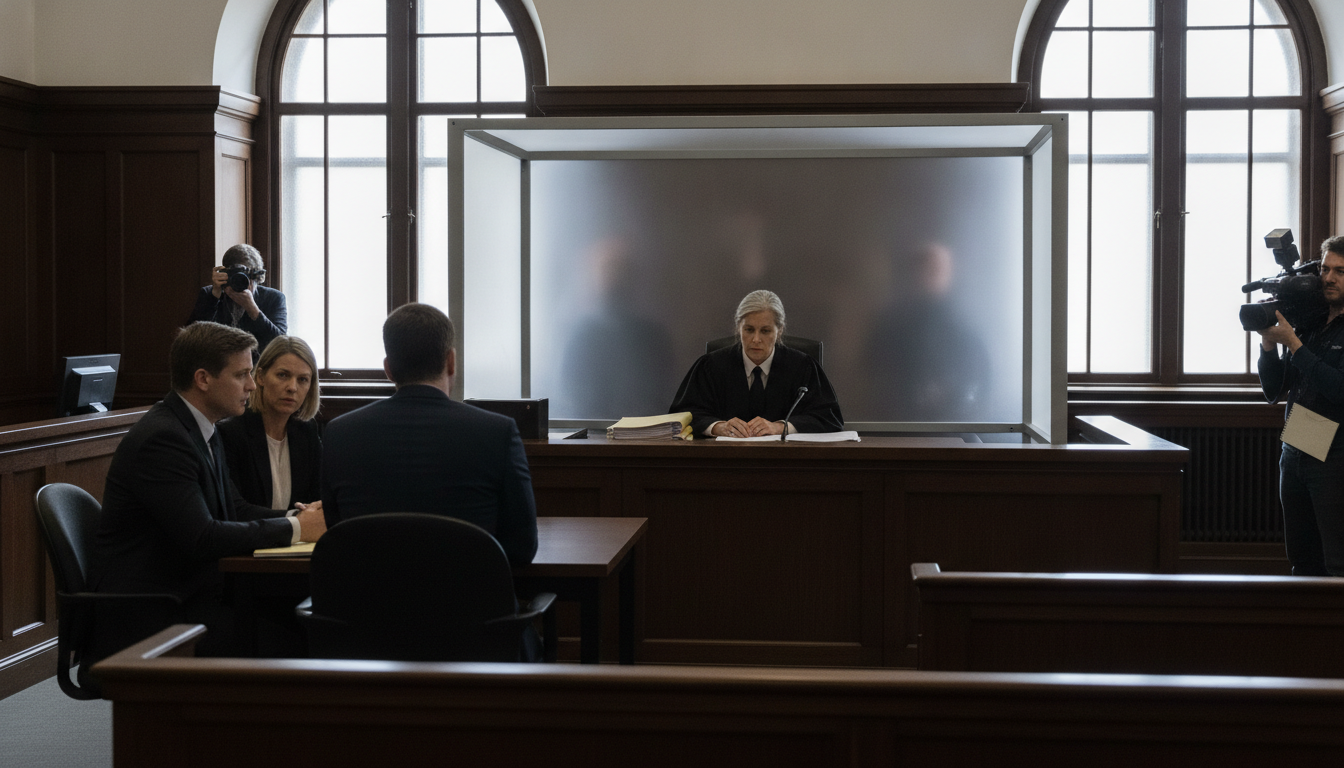
Judge orders anonymous jury for Luigi Mangione trial in killing of UnitedHealthcare CEO
New York judge orders an anonymous jury for Luigi Mangione’s murder trial in the killing of UnitedHealthcare CEO Brian Thompson; jury selection begins Sept. 8, 2026.
The court has ruled that jurors in the Luigi Mangione trial will remain anonymous, a decision announced at a hearing as the high‑profile case moves toward a September trial. The anonymous jury ruling comes amid concerns about juror safety and intense public interest in the killing of UnitedHealthcare CEO Brian Thompson. Jury selection is scheduled to begin Sept. 8, 2026, with an overflow room set aside for journalists and members of the public if the main courtroom reaches capacity.
Judge Gregory Carro cites safety without public explanation
Judge Gregory Carro made the anonymity order at a Tuesday hearing and did not publicly detail the reasons for withholding juror identities. Anonymous juries are uncommon in state criminal cases, but judges sometimes use them in prominent matters where intimidation or harassment of jurors is a concern. The decision follows standard judicial practice in balancing open‑court rights with the safety and impartiality of the jury.
Courtroom access and media arrangements
Carro also directed that an overflow courtroom be prepared for reporters and members of the public should the main courtroom fill, signaling the court’s recognition of widespread interest. The move aims to preserve public access while maintaining the integrity of the trial and protecting jurors. Media organizations have already indicated they will seek space to observe proceedings, and court officials said logistical details are being finalized ahead of September.
Charges and timeline in the Midtown Manhattan shooting
Luigi Mangione, 28, faces state charges of murder, weapons possession and forgery in connection with the December 2024 shooting of Brian Thompson outside a Midtown Manhattan hotel. Thompson was shot as he headed to an investor conference, an event that drew immediate national attention and led to a five‑day manhunt. Mangione has pleaded not guilty to the state counts and remains in custody as pretrial proceedings continue.
Prosecutors outline extensive physical evidence
Prosecutors say their case rests on a broad array of physical and digital evidence, including hundreds of hours of surveillance footage, fingerprints, DNA, a mobile phone and a firearm prosecutors contend matches ballistics from the shooting. The prosecution has indicated it will present a coherent chain of forensic links connecting Mangione to the scene. Officials told the court they will rely on expert testimony and detailed exhibits to tie the defendant to the attack.
3D‑printed gun and notebook admitted into evidence
Last month the judge ruled that a 3D‑printed pistol and a notebook allegedly belonging to Mangione could be introduced at trial. Authorities reported that ammunition connected to the shooting bore the words “delay,” “deny” and “depose,” a phrase critics of private insurers have used to describe tactics to avoid paying claims. Prosecutors say the notebook contains writings that reference targeting a health insurance executive and railing against what it called a “deadly, greed fueled health insurance cartel,” language they say speaks to motive.
Defense strategy, withdrawn notice and unresolved questions
Mangione’s lawyers have not disclosed a detailed defense theory publicly and have not conceded that he was the shooter. In June the defense briefly filed a notice signaling it might pursue an “extreme emotional disturbance” defense under New York law, a tactic that could reduce a murder charge to manslaughter if accepted by a jury. The defense withdrew that notice one day later, with attorney Karen Friedman Agnifilo telling the court the filing was being withdrawn “at this time,” leaving the prosecution and observers uncertain about the strategy the defense will present at trial.
Federal proceedings proceed on a separate track
Mangione faces parallel federal proceedings related to the killing. Federal murder and weapons charges were dismissed in January 2026 on legal grounds, a ruling that removed the possibility of the death penalty at the federal level. However, federal stalking charges remain pending and carry the potential for life imprisonment if he is convicted. A separate federal trial is scheduled to begin in January 2027, according to court filings, ensuring the case will remain under scrutiny across both state and federal dockets.
Public reaction to the case has been strong, in part because the slaying touched on broader debates over rising health‑care costs and corporate practices. Footage of the shooting circulated widely online in the immediate aftermath, and the subsequent nationwide manhunt intensified media coverage.
Observers say the anonymity order and the court’s arrangements for overflow access reflect the unusual mix of public interest and the need to shield jurors as the proceedings unfold. Legal analysts will be watching jury selection closely when it begins Sept. 8, 2026, for signals about how the panel is screened and whether any prospective jurors are excused for cause.
The trial promises to be closely watched not only for its legal implications but for how it intersects with ongoing public debates about health‑care companies and accountability, with both prosecutors and defense teams preparing to make their cases in a courtroom under unprecedented attention.
