
WHO Sends Six Metric Tonnes of Aid to Ituri as Ebola Outbreak Prompts Expanded Response
WHO delivers six metric tonnes of medical aid to Ituri as surveillance, testing and contact tracing are expanded amid a fresh Ebola outbreak in the DRC.
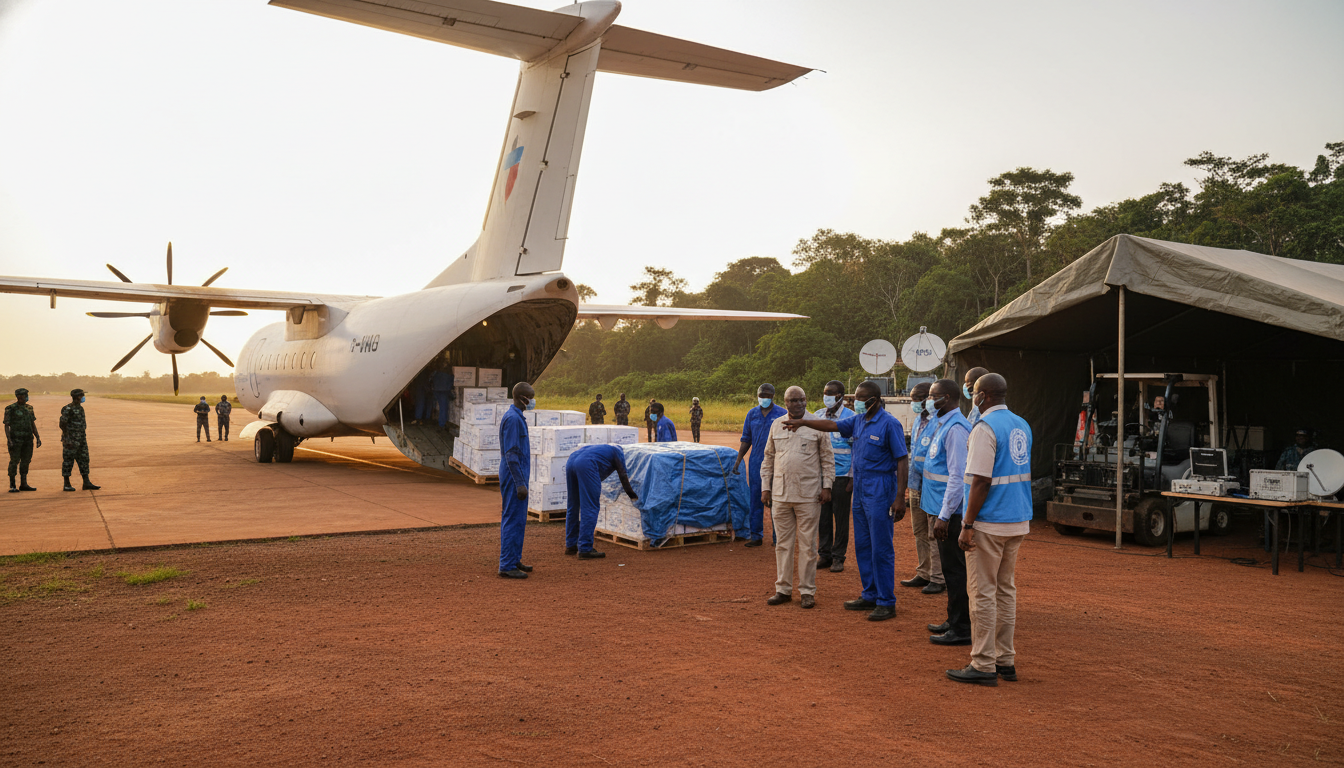
The World Health Organization on Tuesday delivered six metric tonnes of medical supplies to Ituri province as health authorities move to contain a newly detected Ebola outbreak, the agency’s provincial representative Anne Ancia said. The shipment, which includes protective equipment and testing materials, arrives amid mounting uncertainty over the scale of the outbreak and as teams increase surveillance efforts across the region. Officials say the delivery aims to shore up frontline capacity while diagnostic and contact-tracing operations are scaled up.
WHO Sends Six Metric Tonnes of Medical Aid to Ituri Province
The WHO representative in Ituri, Anne Ancia, confirmed the arrival of six metric tonnes of supplies on Tuesday and described the shipment as a targeted emergency response. The cargo is intended to provide immediate relief to health workers and laboratories struggling to respond to suspected and confirmed cases. WHO officials characterized the delivery as part of a rolling response that can be augmented as epidemiological data clarifies the outbreak’s reach.
Supplies Include Personal Protective Equipment and Diagnostic Materials
Health officials said the consignment contains personal protective equipment for clinicians, laboratory reagents, test kits and essential infection prevention items to limit transmission in clinical settings. These items are critical to protect health personnel who face the highest exposure risk while treating and sampling patients. The WHO and local health authorities emphasized rapid distribution to district-level clinics and referral hospitals to prevent overcrowding and cross-contamination during patient transfers.
Surveillance, Testing and Contact Tracing Expanded Across Ituri
Authorities reported an expansion of surveillance and testing operations as teams work to determine the extent of the outbreak, according to Anne Ancia. Rapid diagnostic testing and sample transport chains are being strengthened to reduce turnaround times for confirmations and to inform targeted public health actions. At the same time, case investigators have begun broader contact-tracing efforts to identify and monitor people who may have been exposed, with a goal of interrupting chains of transmission.
Local Health System Capacity and Community Challenges
Local health services in eastern Democratic Republic of Congo face persistent challenges that complicate outbreak response, including limited laboratory capacity and difficult access to remote communities. Public health teams must also contend with logistical hurdles such as poor roads, variable cold-chain infrastructure and a scarcity of trained infectious-disease personnel outside major towns. Community engagement and clear risk communication are being prioritized to address fear, misinformation and hesitancy that can impede case-finding and safe care-seeking behavior.
Coordination with Partners and Planned Next Steps
WHO officials said the delivery forms part of a coordinated response with national health authorities and international partners, who are assessing additional technical and material needs. Authorities plan to continue expanding testing, reinforce infection prevention and control at health facilities, and sustain intensified surveillance to detect further cases early. Planning also includes scaling up stockpiles and preparedness measures in neighbouring districts to reduce the risk of spread beyond Ituri.
The immediate priority for health authorities remains quickly identifying cases and breaking transmission through testing, contact tracing and the protection of health workers, the WHO representative said. As the situation evolves, surveillance data will guide whether further international assistance is required and which interventions should be prioritized to protect communities and limit the outbreak’s impact.
