
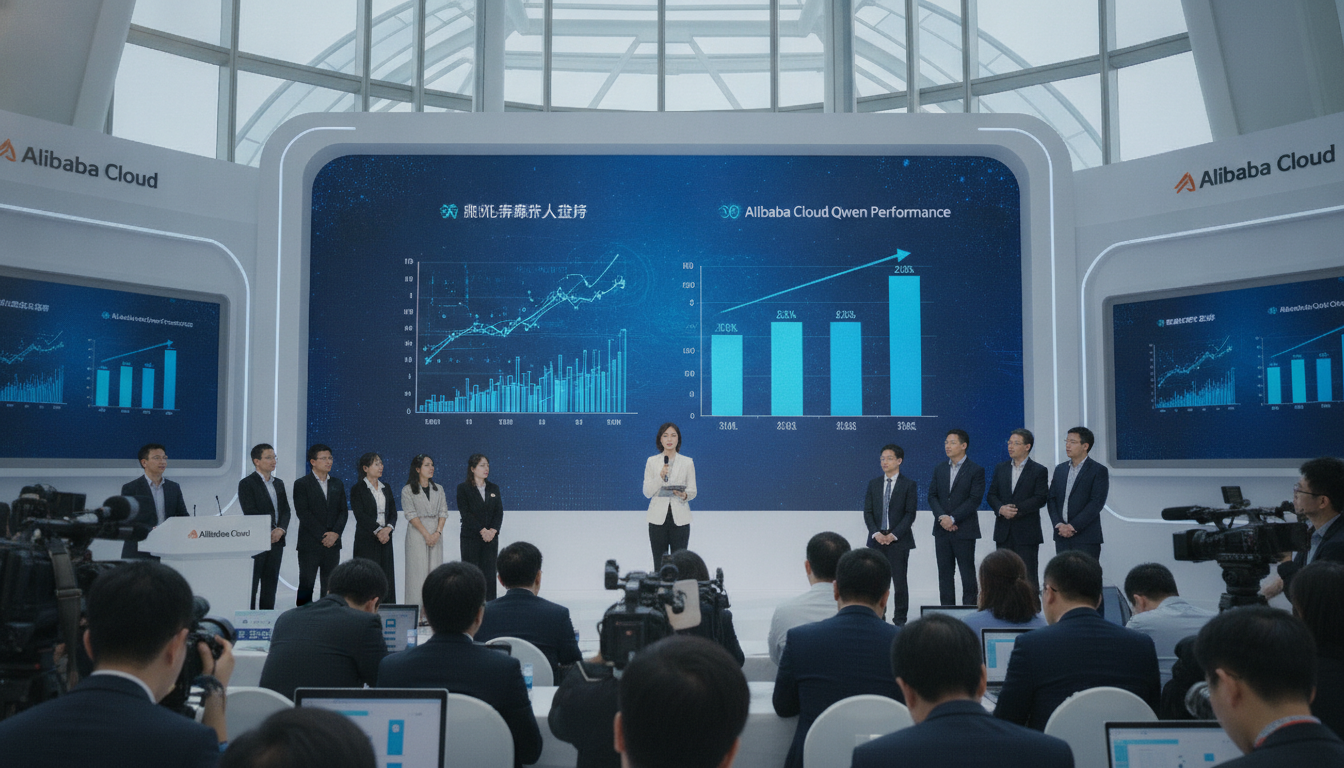
Kimi Built on Alibaba Cloud Outperforms Alibaba’s Qwen in Key Benchmarks, Sources Say
Kimi, an app built on Alibaba Cloud, reportedly outperformed Alibaba’s Qwen models on key performance measures, prompting renewed scrutiny of Moonshot’s investor ties and cloud reliance.
Kimi, which runs on infrastructure provided by Alibaba Cloud, has been reported to exceed Alibaba’s own Qwen products on several important performance metrics, according to people familiar with the matter. Alibaba is one of the largest investors in Moonshot, and those investors have expected portfolio companies to use the cloud services they provide. The reported performance gap between Kimi and Qwen has intensified questions about the commercial and strategic dynamics between investor and investee.
Alibaba’s Investment and Cloud Requirement
People familiar with the relationships say Alibaba took a substantial stake in Moonshot and has encouraged or required the use of Alibaba Cloud by companies it backs. Such arrangements are common in strategic investments where cloud usage supports integration and ongoing commercial ties.
Those arrangements can create tension when a portfolio company’s products compete directly with offerings from the investor. In this case, Kimi’s reported results highlight the complexity that arises when an investor supplies the infrastructure yet also competes in the same AI application and model space.
Benchmark Results Show Kimi Ahead on Key Measures
According to sources, independent or internal benchmark comparisons placed Kimi ahead of Alibaba’s Qwen family on several “key performance indicators,” including measures related to accuracy and inference efficiency. Observers said the differences were notable enough to draw attention within both companies and the wider developer community.
Kimi’s use of Alibaba Cloud infrastructure makes the outcome especially striking, since it is rare for a tenant application to clearly outpace a cloud provider’s proprietary models on core metrics while relying on that provider’s platform. The specifics of the benchmarks and testing methodology were not disclosed by the sources.
Implications for Moonshot and Product Strategy
The success of Kimi on performance metrics could strengthen Moonshot’s position in negotiations with partners and potential customers. A demonstrably superior product may accelerate Moonshot’s commercial traction and broaden its options for collaboration beyond its existing investor network.
At the same time, outperforming an investor’s in-house models can complicate governance and commercial expectations. Moonshot could face pressure to align more closely with Alibaba’s product roadmap, or conversely pursue greater operational independence to capitalize on Kimi’s momentum.
Competitive Dynamics Between Cloud Providers and Tenant Models
This episode underscores a growing tension in the cloud and AI markets: cloud providers increasingly supply both the infrastructure and competing AI models. When a tenant’s application outperforms a provider’s model on the provider’s infrastructure, it raises questions about neutrality, optimization, and incentives for further investment.
Cloud providers have several levers to respond, including improving their model offerings, offering tailored infrastructure optimizations, or adjusting commercial terms for strategic partners. Tenants, meanwhile, may consider multi-cloud strategies or seek contractual assurances to protect competitive advantages.
Next Steps and What to Watch
Expect both technical and commercial follow-ups: Alibaba may refine or re-benchmark Qwen models, while Moonshot could push to publicize additional tests or expand Kimi’s deployment footprint. Market observers will be watching for official statements, product updates, or changes in commercial arrangements between the companies.
Regulators and enterprise customers may also take an interest in arrangements that tie investment to infrastructure use, particularly where competitive overlap exists. How Alibaba and Moonshot navigate the immediate fallout will likely influence investor–cloud relationships across the AI sector.
The reported performance results place Kimi at the center of a broader debate about investor influence, platform dependence, and competition in cloud-delivered AI, and stakeholders on all sides appear poised to respond as more information becomes available.
