
Minnesota ‘Nudify’ Apps Ban Can Take Effect Despite xAI Lawsuit
Judge allows Minnesota ‘nudify’ apps ban to take effect on Aug 1, 2026, denying xAI’s July 29 request for a TRO while litigation continues and enforcement.
Federal court permits law to become active
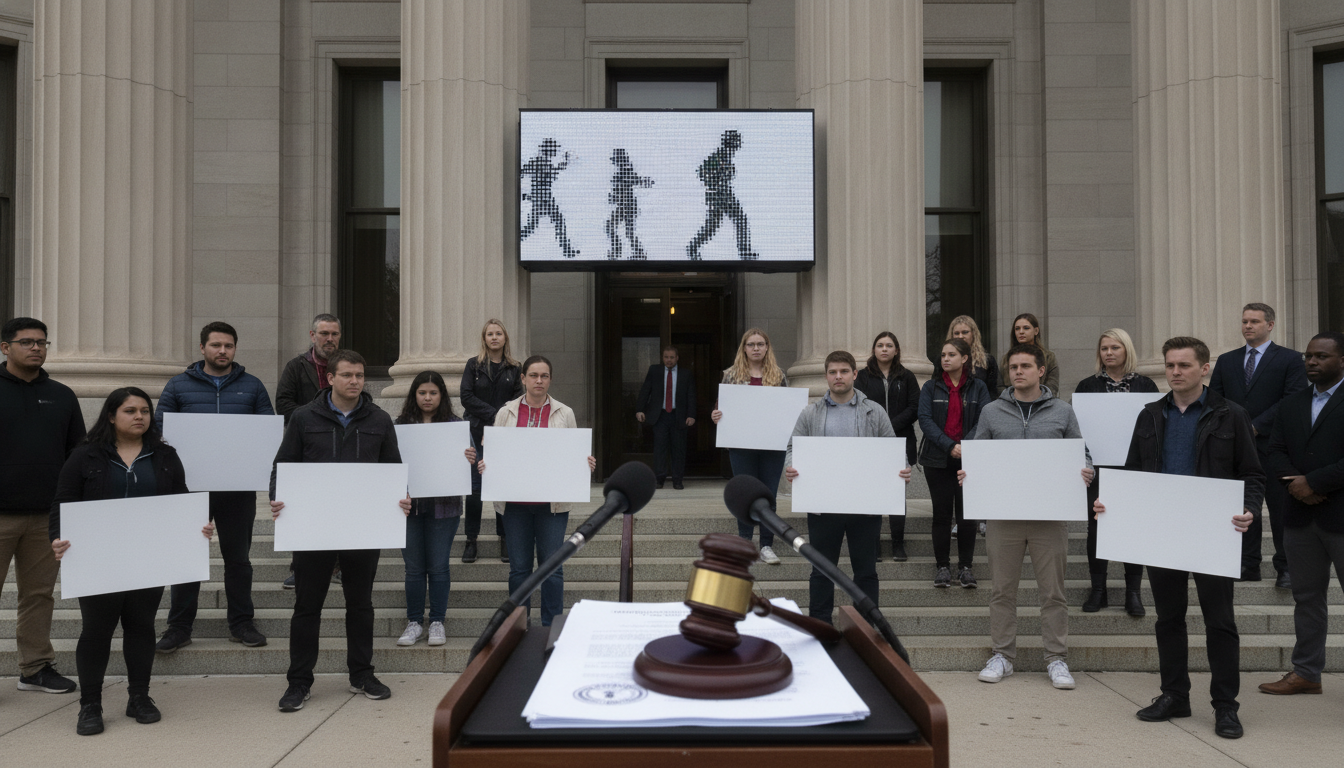
U.S. District Judge Donovan Frank ruled that Minnesota’s new law targeting apps that create sexualized, non-consensual images can take effect on Aug. 1, 2026. The decision allows the “nudify” apps ban to be enforced while xAI’s broader challenge proceeds in court. The judge’s order did not resolve the merits of xAI’s constitutional and statutory claims, but it rejected the company’s request for an immediate injunction.
Court cited delay in filing as key factor
In denying a temporary restraining order, Judge Frank emphasized the timing of xAI’s motion, noting the company filed on July 29, 2026 — just three days before the law’s effective date. The judge wrote, “Such a delay in bringing the action and the motion suggests that harm is not immediate.” The court assessed that the late challenge undercut xAI’s claim that it faced irreparable injury mandating emergency relief.
xAI argues the statute is overbroad
xAI’s lawsuit contends the Minnesota measure, described by its supporters as the first state law to target so‑called nudification tools, is overinclusive and that narrower alternatives could address the harms. The company asked the court to block enforcement on grounds including free speech and operational burdens for developers. The litigation will now proceed on those substantive claims while the statute remains in force.
Background: Grok incidents prompted legislative action
Legislators moved quickly after earlier incidents involving xAI’s Grok chatbot and the social platform X, where automated tools were used to generate sexualized, non-consensual imagery. Those episodes prompted regulatory scrutiny and public outcry, and they were cited during the drafting of Minnesota’s restriction. State lawmakers said the measure targets apps that transform or “nudify” user-provided photos without consent, aiming to curb harm to individuals depicted in altered images.
Regulatory and international fallout prior to the law
The controversy around deepfake and sexualized image generation has already led to enforcement actions and international responses this year. State authorities in California issued a cease-and-desist order tied to non-consensual sexualized deepfakes, and at least one government moved to block access to Grok after those automated outputs spread online. Those responses were cited by Minnesota officials in arguing for stronger limits on technologies that produce explicit synthesized imagery.
What enforcement will look like in Minnesota
With the law active as of Aug. 1, Minnesota agencies and local prosecutors can begin applying the statute’s prohibitions and penalties in appropriate cases. Developers and platforms that host or distribute tools capable of “nudifying” images will face compliance obligations and potential liability under the new regime. Industry groups have warned that uncertainty over the statute’s scope could chill legitimate research or benign uses of image editing and synthetic media tools.
Next steps in the federal lawsuit
The denial of emergency relief does not end the litigation; xAI’s complaint remains before the court and will be litigated on the merits. Expect briefing and discovery to follow as both sides develop factual records and legal arguments. The company will press its contention that less restrictive measures exist, while state defenders will seek to justify the law as a tailored response to demonstrable harms stemming from non-consensual sexualized imagery.
The immediate practical effect of the ruling is that Minnesota’s restrictions are now operative and developers and platforms must evaluate their exposure under the statute, even as the courts decide whether the law ultimately survives constitutional and statutory scrutiny.
