
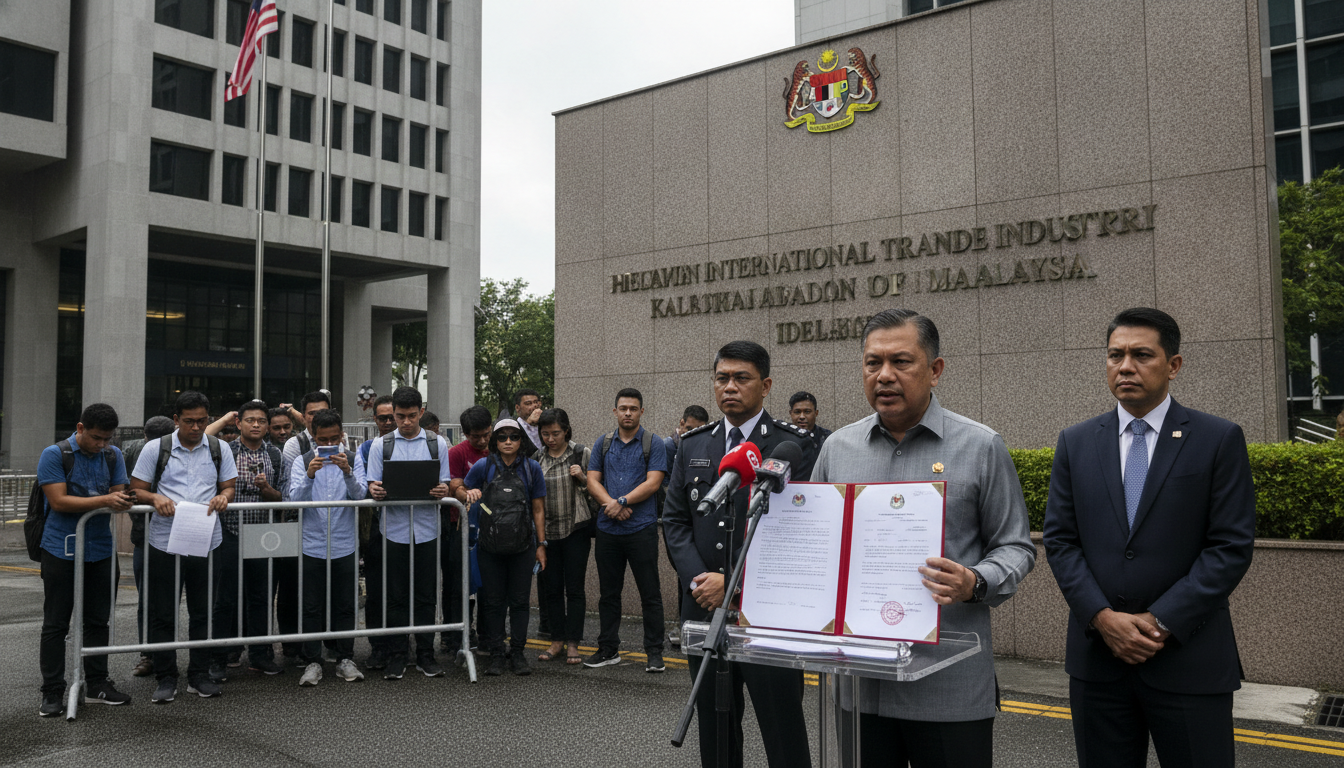
Network School ordered closed by Malaysian authorities amid licensing and facility concerns
Malaysian authorities have ordered the shutdown of the Network School campus, a startup-focused community housed in an abandoned hotel, citing licensing irregularities and safety concerns. The Network School will pause operations at its Malaysian site as officials review permits and compliance while the program’s founder signals plans to relocate.
Malaysian Authorities Order Immediate Shutdown of Network School Campus
Malaysian regulators served an order to suspend operations at the Network School campus following a review of the facility’s legal status and operational permits. Officials said the closure responds to unresolved licensing issues that affect the venue’s ability to host an organized residency program.
The order affects a community that had been operating from a repurposed hotel property, and it requires the organizers to cease public programming until they meet local regulatory requirements. Authorities indicated enforcement was necessary to address public-safety and tenant-protection responsibilities tied to the site.
Licensing Shortcomings at Repurposed Hotel Trigger Scrutiny
Local licensing authorities identified gaps in approvals for commercial activity at the property where Network School participants were staying and working. The site’s conversion from a vacant hospitality asset into a year-round residency and incubator raised questions about zoning, fire safety certification, and business registration.
Organizers have been given a timeline to present documentation and remediate any deficiencies, according to officials familiar with the matter. The requirement to meet those standards is standard practice for facilities that host extended stays and organized events, government sources said.
Participants Cite Poor Conditions and Limited Social Life at Campus
Attendees described the program as a hybrid of a tech incubator and a retreat, but participants also reported problems with accommodations and on-site services. Complaints raised include mold in rooms and a lack of amenities that residents expected, as well as sparse evening activity and few women among the community during the program’s run.
Organizers acknowledged operational challenges while emphasizing the program’s broader goals of building concentrated teams of entrepreneurs and engineers. Participants and former attendees offered mixed assessments, praising certain workshops and mentorship opportunities while noting logistical shortcomings.
Founder Balaji Srinivasan Posts Response and Citizenship Remarks
The Network School was closely associated with entrepreneur and investor Balaji Srinivasan, who has framed the project as an early step in a broader plan to create a self-governing technology-oriented community. After media inquiries about the campus, Srinivasan posted a lengthy response on his social platform account, characterizing some coverage as unfair and reiterating his ambitions for new forms of community-building.
Srinivasan has publicly described a shift in his national affiliation in recent years, and he used social posts to underscore his personal stake in the project’s mission. He also defended the Network School concept as experimental and evolutionary, and he signaled intent to continue pursuing campus agreements outside Malaysia.
Organizers Announce a New Campus Agreement in Kazakhstan
In the days following the shutdown order, representatives associated with the Network School confirmed a new agreement for a separate campus in Kazakhstan. The planned move was presented as part of a strategy to secure locations that allow the program to run while organizers bring existing operations into compliance with local regulations.
The Kazakhstan agreement remains a commitment to explore alternative jurisdictions for concentrated startup communities rather than an immediate relocation of participants. Organizers say they are pursuing multiple site options and that any new campus will aim to address shortcomings reported at the Malaysian venue.
Regulatory and Diplomatic Questions Loom Over Cross-Border Tech Communities
The Network School case highlights challenges that arise when entrepreneurial communities set up semi-permanent operations abroad without fully aligning with host-country rules. Governments balance the economic and innovation benefits of hosting foreign startup programs against obligations to enforce safety, labor and zoning standards.
Legal experts and local officials say the situation could prompt closer scrutiny of similar initiatives that attempt rapid scale-up in repurposed properties. Observers also note the diplomatic sensitivities when high-profile entrepreneurs pursue ambitious, cross-border experiments in community-building.
The Network School’s pause in Malaysia leaves open numerous practical questions about how startup-focused residency programs should be regulated and managed, and whether organizers can reconcile ambitious, transnational experimentation with the realities of local law and community expectations.
