
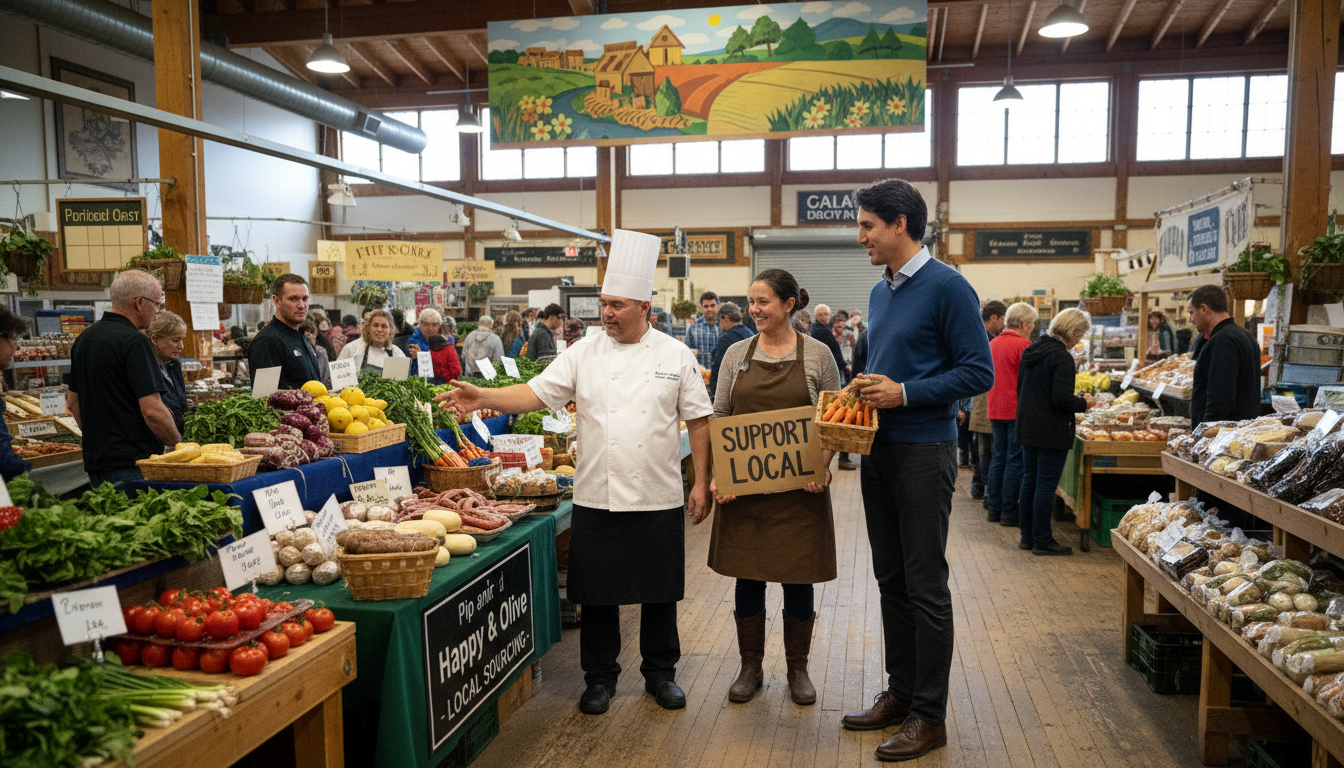
Old Strathcona restaurants Pip and Happy & Olive highlight seven-day brunch, community dining and local sourcing
Pip and Happy & Olive, two Old Strathcona restaurants, are presenting their service philosophies online, with Pip advertising seven‑day brunch, dinner and wine and Happy & Olive promoting a community-focused, locally sourced menu. The descriptions on each restaurant’s website point to a continued emphasis on casual, neighbourhood hospitality in one of Edmonton’s busiest entertainment districts. The online profiles signal how local operators are articulating values around accessibility, ingredient provenance and shared space to attract regulars and visitors alike. Those themes reflect broader shifts in dining expectations across Alberta’s urban cores.
Website descriptions underscore service offerings
On their websites, both establishments lay out concise pitches aimed at diners deciding where to eat in Old Strathcona. Pip portrays itself as bright and airy and explicitly lists brunch, dinner and wine as daily offerings, suggesting a full‑service approach across the week. Happy & Olive frames the business as a gathering place that prioritizes properly prepared food made from locally sourced ingredients, stressing community connection over flash. Together the site copy positions each venue to appeal to patrons looking for both consistent hours and a local food story.
Pip promotes seven‑day brunch, dinner and wine
Pip’s online description highlights a daytime atmosphere and an evening program that includes wine, indicating a dual focus on comfort dining and beverage service. The seven‑day schedule described on the site signals an intent to capture breakfast and mid‑day crowds as well as dinner guests, a strategy common among neighbourhood restaurants trying to maximize weekday and weekend traffic. That kind of programming can broaden customer reach, from weekend brunch groups to weekday diners and after‑work patrons seeking a glass of wine. For operators, sustaining seven‑day service typically requires stable staffing and reliable supply chains.
Happy & Olive frames itself as a community hub
Happy & Olive’s website emphasizes creating a community gathering place rather than simply listing menu items, articulating a mission that links hospitality to civic life. The restaurant’s commitment to “properly prepared” dishes and locally sourced ingredients suggests careful kitchen technique and a preference for regional suppliers. Positioning the business this way helps attract customers who want to support local producers and who value restaurants as social spaces. In an area like Old Strathcona, where cultural events and foot traffic are steady, that community focus can be an important differentiator.
Locally sourced ingredients shape menu claims
Both restaurants’ messaging taps into a broader consumer interest in provenance and sustainability, with Happy & Olive making that connection explicit and Pip implying it through a curated wine and food offering. Locally sourced ingredients can shorten supply lines, support nearby farms and allow menus to change seasonally in response to availability. However, reliance on regional suppliers also brings operational challenges, including price volatility and seasonal limits on certain products. Chefs and managers must balance those constraints with the marketing value of local sourcing when setting prices and planning menus.
Old Strathcona’s dining scene responds to accessibility and authenticity
Old Strathcona restaurants operate in a neighbourhood known for live performance venues, markets and pedestrian traffic, which means accessibility and a welcoming atmosphere are commercially important. For diners, clear website descriptions that announce hours, service styles and sourcing philosophies reduce friction when choosing where to eat. For restaurateurs, promoting a community orientation and seven‑day availability can help stabilize revenue across slow weekday periods and busy weekend windows. The twin appeals of convenience and authenticity are shaping how many operators present themselves online.
The website summaries for Pip and Happy & Olive offer a snapshot of how two Old Strathcona restaurants are positioning their businesses to meet local demand for approachable service and locally minded menus. Their public descriptions reflect strategic choices about hours, atmosphere and supplier relationships that matter to customers and the neighbourhood economy. As dining patterns continue to evolve, clear statements of purpose on restaurant websites will remain a primary way for operators to signal what customers can expect when they walk in the door.
