
Uber aims to turn drivers’ cars into a vast sensor data platform for AV companies
Uber plans to outfit drivers’ cars with sensor kits to gather AV training data and build an AV cloud for partners while facing regulatory and privacy questions.
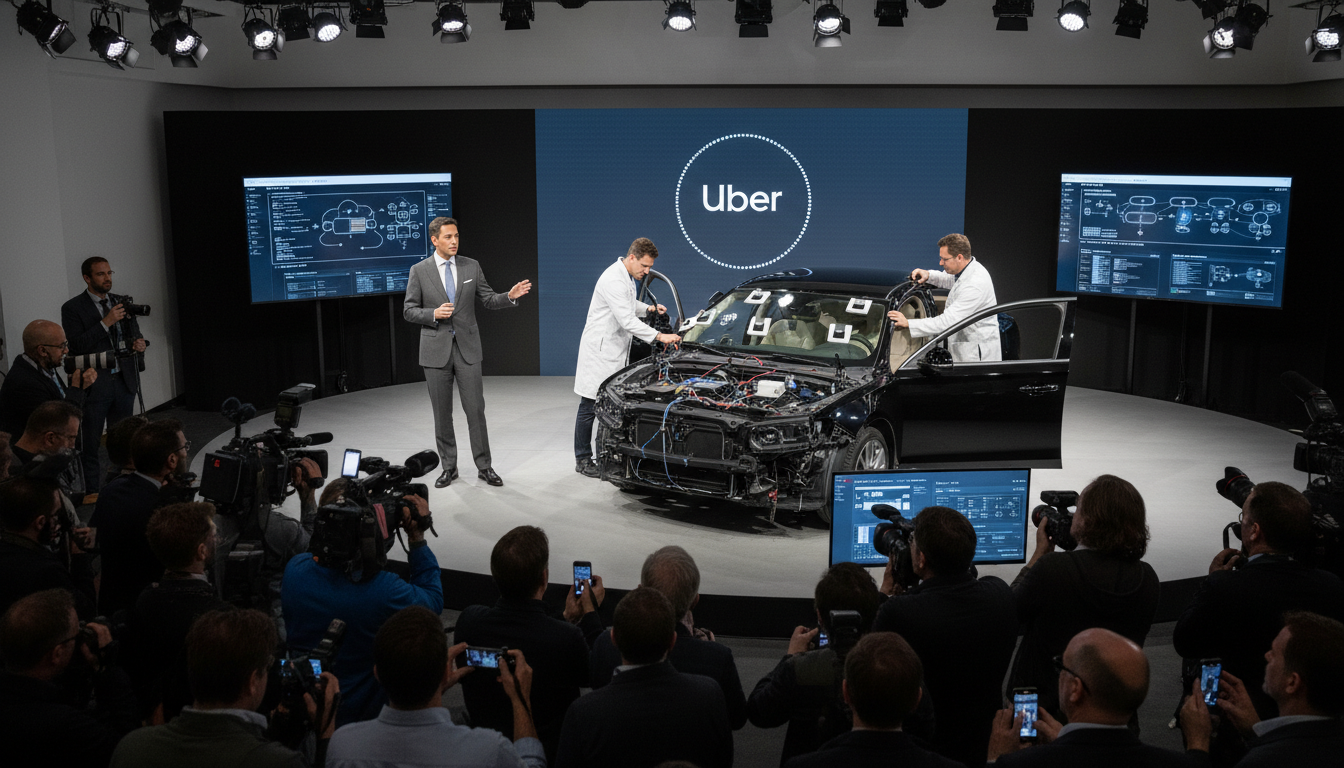
Uber unveiled a plan to expand its AV data-gathering efforts by equipping its network with sensor kits, positioning the company as a potential primary supplier of real-world driving data for autonomous vehicle developers. The announcement, delivered by CTO Praveen Neppalli Naga at a San Francisco tech event, frames "Uber sensor data" as a strategic asset to accelerate AV model training. Company officials say the initiative grows out of AV Labs, a program that already operates a small fleet of sensor-equipped vehicles.
CTO outlines the sensor strategy at a public event
Praveen Neppalli Naga described the proposal as a long-term direction that follows AV Labs’ initial deployments. He told attendees the immediate priorities are understanding sensor performance and clarifying regulatory definitions of sensor use and data sharing. Naga said those legal and technical steps must precede any broad rollout to the company’s millions-strong driver base.
AV Labs currently runs a dedicated sensor fleet
Today, Uber’s AV data activities rely on a limited, company-operated fleet that carries lidar, cameras and other sensing hardware. That controlled program produces labeled sensor data for testing and internal development without involving the wider driver network. Company representatives stress the dedicated fleet is a testbed for protocols, data labeling and the operational logistics of running sensors at scale.
Scale potential if drivers’ cars are outfitted
Uber argues that converting even a fraction of its global driver fleet into data-collection platforms would dwarf the datasets available to most autonomous vehicle firms. The company has millions of drivers worldwide, and distributed sensor collection could supply geographically and temporally diverse scenarios that AV developers currently struggle to obtain. Naga highlighted the need for more varied data, noting that the industry’s bottleneck has shifted from algorithms to the availability of real-world edge cases.
Partnerships, AV cloud and shadow-mode testing
Uber is building what it calls an "AV cloud," a searchable repository of labeled sensor recordings that partner companies can query to train models. The company already counts some 25 autonomous vehicle partners and offers tools to run trained software in a simulated "shadow mode" against live Uber trips. That capability lets partners evaluate how their systems would have behaved without deploying a physical robotaxi in passenger service.
Regulatory, privacy and technical hurdles remain
Naga emphasized that regulatory clarity is essential before scaling sensors across privately owned vehicles, saying laws must define what sensor installations mean and how data can be shared. Privacy and data governance concerns are likely to shape the program’s design, including questions about consent, location data handling and retention. Technical challenges also include ensuring consistent sensor calibration, secure data transmission and standardized labeling for machine learning use.
Commercial stakes and potential leverage in AV market
While Uber frames the effort as a move to "democratize" data, the company’s ability to aggregate large-scale, proprietary driving datasets could yield commercial leverage. Uber has made equity investments in multiple AV firms and operates a dominant on-demand marketplace, which together could give it influence over how robotaxi services are deployed and who gets prioritized access to training material. Industry observers note that the data Uber controls could become a critical resource for companies that cannot afford to deploy large fleets of their own.
Uber’s stated intention is to provide data broadly to the AV ecosystem, but executives acknowledge that commercial realities and partnership ties will shape distribution. The company also plans to deepen direct investments in select partners and to offer services that allow those partners to test and refine models in real-world conditions while avoiding the cost of deploying their own sensor fleets.
The proposal reflects a strategic pivot from earlier years when Uber considered building its own self-driving vehicles to a model centered on data services. Executives argue this approach leverages Uber’s marketplace strengths without requiring it to become a manufacturer of autonomous platforms. The timeline for any widespread sensor rollout remains dependent on regulatory outcomes and technical validation from AV Labs.
As Uber advances the plan, policymakers, privacy advocates and AV developers will be watching for details on consent, data access and whether the company will monetize the datasets it creates. For now, the company frames the effort as an infrastructure play—turning a global fleet into a living archive of driving scenarios that could accelerate autonomous vehicle development across varied urban environments.
