
SpaceX Treats Routine Rocket Losses as Part of Business Model, Analyst Says
SpaceX factors routine rocket failures into its business model, using frequent launches and satellite turnover as part of an innovation strategy today.
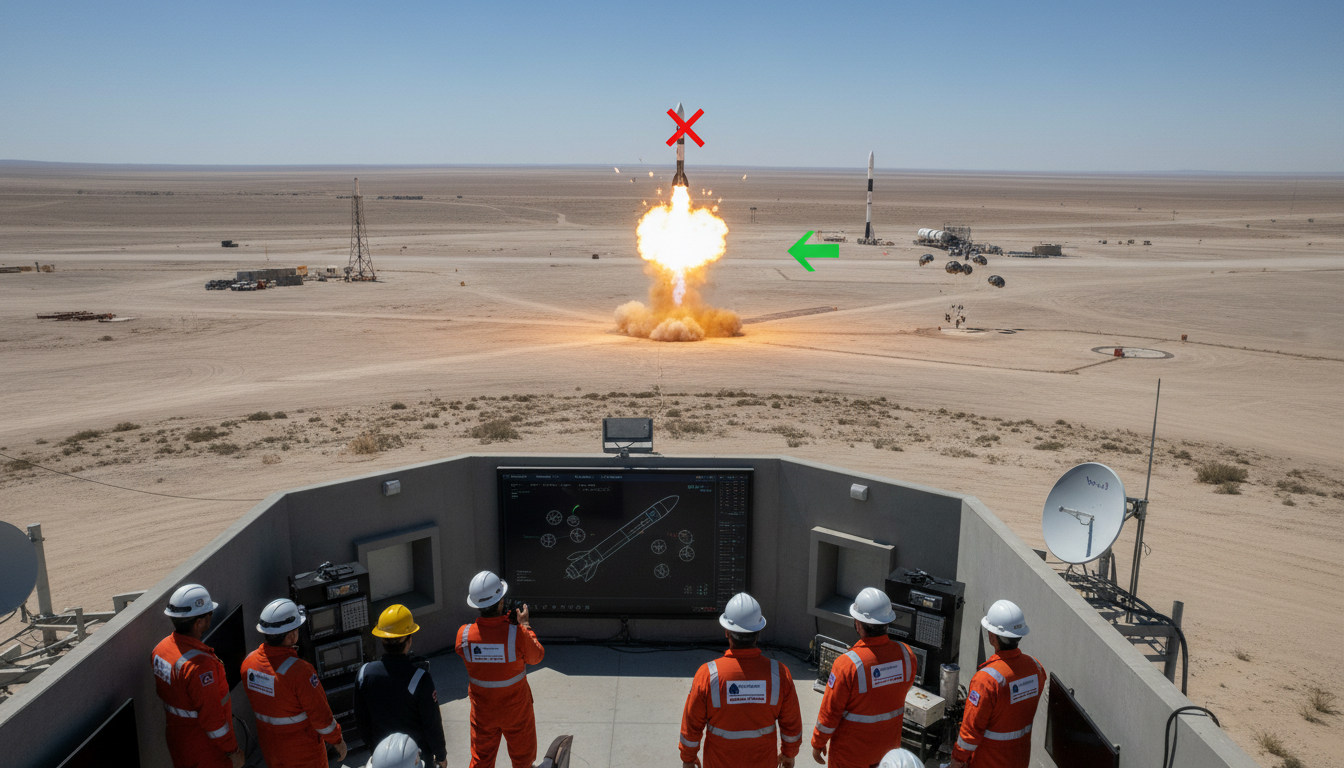
On August 27, 2024 an apparent single accident captured attention, but analysts say the event fits a broader pattern within the commercial launch sector. SpaceX, according to industry observers, accepts that some rockets and older satellites will be lost or discarded as fleets evolve. Roland Berger analyst Darot Dy told reporters that “regular crashes are built into the business model,” framing failures as a predictable cost of rapid iteration.
Aug. 27 Incident Seen as Systemic, Not Isolated
The August 2024 reentry that drew headlines was described by experts as symptomatic of a deliberate operational approach rather than an unexpected catastrophe. Investigators and industry analysts point to how the incident followed a long sequence of high-tempo launches and hardware refreshes.
That pattern, they say, reflects a shift from single-vehicle reliability to system-level resilience, where individual losses are absorbed in pursuit of faster capability upgrades and lower marginal launch costs.
Analyst: Regular Failures Are Built Into Costs
Darot Dy of management consultancy Roland Berger told industry outlets that companies factor the likelihood of regular failures into financial planning and product roadmaps. Those failures, he argued, are not merely tolerated but are incorporated into a cycle of rapid testing, data collection and design refinement.
By budgeting for disposals and destructive reentries, firms can push technological boundaries more aggressively while still maintaining predictable unit economics, analysts say.
High Cadence Launches Drive Rapid Satellite Turnover
Commercial operators now launch on a weekly—or near-weekly—cadence, placing replacement satellites into orbit that carry progressively upgraded electronics and capabilities. This turnover shortens the product life cycle for space hardware, with older models deorbited and allowed to burn up on reentry.
The resulting fleet refresh strategy enables operators to deploy new features and improvements more quickly than under a decades-long satellite lifecycle, but it also increases the frequency of planned losses and forced retirements.
Company Strategy: Innovation Through Iteration
Industry insiders describe the approach as “innovation through iteration”: frequent launches generate operational data that accelerate engineering cycles and reduce development risk over time. Companies use flight failures and close-call events as learning opportunities to refine propulsion, avionics and materials choices.
That mindset shifts emphasis away from maximizing the lifespan of each vehicle toward maximizing cumulative performance across many flights. Proponents say the trade-off is justified by faster capability gains and lower per-satellite costs.
Regulatory and Safety Implications Are Emerging
Regulators and aviation authorities are watching the model closely because higher launch rates and more frequent reentries change debris profiles and safety calculations. Agencies must adapt licensing frameworks to account for intentional disposals and routine destructive reentries while protecting air and maritime traffic.
The environmental footprint of accelerated launch-and-burn cycles is also under scrutiny, prompting calls for clearer reporting and standardized assessments of orbital debris and atmospheric impact.
Customers and Competitors Adjust to New Norms
Satellite operators, defense clients and commercial customers are recalibrating acquisition and insurance strategies in response to higher turnover expectations. Some clients favor the flexibility and rapid replacement the model offers, while others remain concerned about continuity and long-term service guarantees.
Competitors in the launch market are responding with their own cadence and cost models, leading to an industry-wide reassessment of what constitutes acceptable risk in exchange for faster technology refresh.
The SpaceX-related episode of August 27, 2024 highlighted a broader, deliberate industry trend toward accepting and planning for occasional vehicle losses as part of a faster innovation cycle. As launch frequencies climb and satellite designs shorten their effective operational lifespans, operators, regulators and customers will need to balance rapid progress with safety, sustainability and long-term service reliability.
