
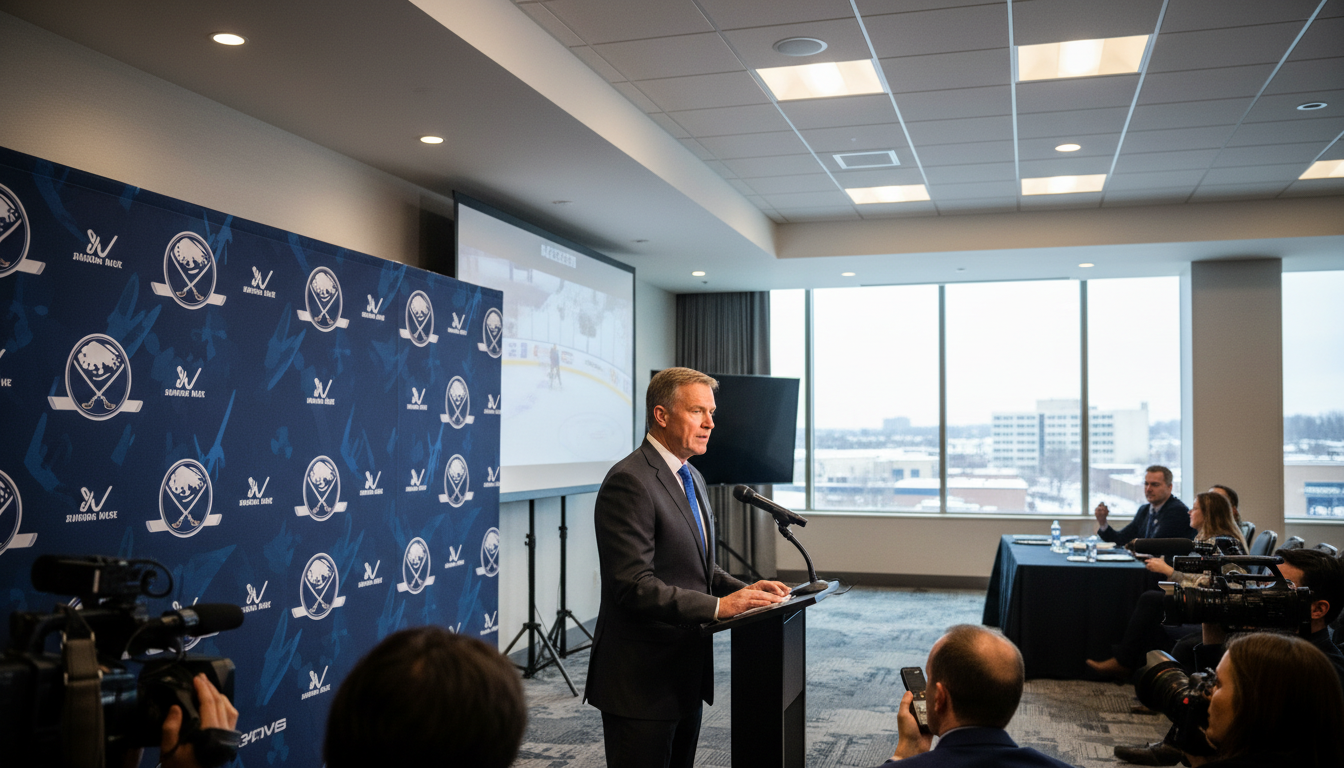
Sabres Staying in a Hotel: Coach Ruff Calls It a "Try Something Different" Strategy
Sabres staying in a hotel is the new experiment the team is testing, coach Ruff said, as the club shifts its pregame routine in search of better rest and focus. The change, described by Ruff in a recent team video, marks a deliberate move away from traditional travel patterns. Team officials say the hotel-based approach is intended to simplify logistics and create a controlled environment ahead of games.
Why the Sabres are trying a hotel stay
Ruff framed the decision as an effort to remove distractions and streamline preparation for games. He said the controlled setting of an overnight hotel stay can help players sleep more consistently and reduce the fatigue associated with late travel. Team leaders view the experiment as a practical way to manage both travel time and recovery windows.
How the hotel routine changes daily operations
Under the hotel plan, the club adjusts meal timing, meetings and light treatment protocols to match the new schedule. Players will have designated recovery blocks, earlier pregame walkthroughs and a shortened bus or flight window to the arena. Coaches and support staff have also modified scouting and video-review periods to fit the condensed timeline.
Ruff’s coaching perspective on rest and preparation
Ruff emphasized that small changes in sleep and routine can translate into sharper on-ice focus. He argued that consistent sleep quality and a predictable pregame schedule allow athletes to concentrate on tactical execution rather than logistics. The coach described the initiative as experimental but grounded in a pragmatic approach to player performance.
Player response and locker-room dynamics
Players have expressed cautious optimism about the arrangement, noting benefits such as more predictable sleep and fewer post-game travel disruptions. Some veterans welcomed the opportunity to unwind in a single location, while younger players highlighted the value of structured recovery. Coaching staff are monitoring morale and interpersonal dynamics to ensure the hotel setting supports team cohesion.
Logistics, costs and league considerations
Moving to a hotel-first model requires coordination with travel partners, arena schedules and medical staff, and it carries modest added costs for extended accommodations. Management has weighed those expenses against potential gains in performance and injury prevention. League rules and road-game routines were reviewed to ensure the club’s hotel strategy complied with travel windows and team obligations.
Potential performance impact and metrics to watch
The organization plans to track sleep data, players’ subjective readiness scores and on-ice metrics such as turnover rate and first-period performance to evaluate the hotel experiment. Sports-science staff will compare the hotel weeks to traditional travel weeks to look for measurable improvements. The team expects that any tangible gains will be reflected in more consistent first-period starts and cleaner execution in high-pressure moments.
The Sabres staying in a hotel represents a focused attempt to remove variables that can hinder performance on game day. Ruff and his staff are treating the move as a test that will be evaluated on concrete player-health and performance indicators. The club plans to reassess the approach after a set number of road trips to determine whether the hotel routine becomes a longer-term strategy.
