
MLB Pitching Velocity Hits New Heights as Fastball Averages Climb in 2026
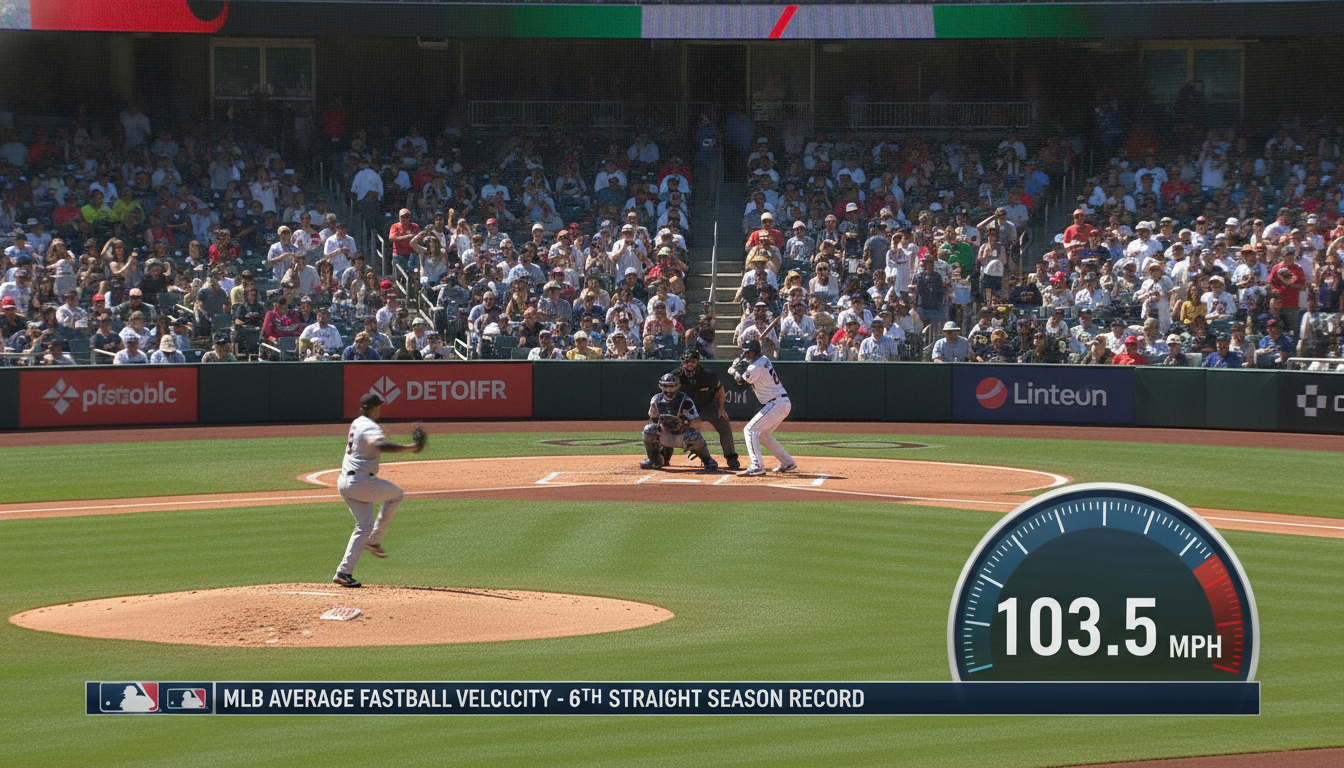
Major League Baseball pitching velocity has climbed again in 2026, with four-seam fastballs averaging 94.7 mph through the All-Star break and the sport on pace for a sixth consecutive record year. Teams and players at every level are reporting harder-throwing arms, and the trend is reshaping pitch selection, scouting and hitter strategy across the majors. This shift is visible from Triple-A bullpens to the top of major league rotations.
Velocity on pace for a sixth consecutive record
Major League averages for four-seam fastballs reached 94.7 mph through the weekend, edging ahead of last year’s mark and continuing a multi-year ascent that began in the late 2000s. Right-handed pitchers in 2026 averaged about 95.2 mph overall, while right-handed relievers came in slightly higher, near 95.6 mph. The sustained climb in average velocity marks a clear departure from the early tracking era when league-wide four-seam speeds were in the low 90s.
Teams tracking these measures say the increase has been steady each season, with incremental gains translating into notable differences in game dynamics. Statcast-era comparisons show the leap from roughly 91.9 mph in 2008 to the current average has altered how pitchers are used and how offenses prepare.
Younger arms and biomechanics driving gains
Coaches and pitchers point to improved biomechanical understanding and modern training methods as principal drivers of the rise in pitching velocity. Many organizations are using motion capture, strength-and-conditioning programs, and data-driven workload plans to develop power earlier in a player’s career. Players and managers note that prospects arriving from college and international systems often already throw in the mid-to-upper 90s, shrinking the developmental gap.
Those changes are reshaping expectations inside clubhouses. Veterans and staff describe a culture where prospects are encouraged to capitalize on peak velocity at younger ages, with an eye toward immediate contribution rather than long-term gradual development. The net effect is more pitchers who can reach elite speeds sooner in their careers.
Extreme arms and the 100-mph club
A growing number of pitchers now post average four-seam velocities at or above 100 mph, and relievers as well as starters populate that group. Several relievers lead the league with four-seam averages above 100 mph, and a handful of starters have crossed the 100-mph threshold in season averages. One young starter has logged the most pitches at 100 mph or higher, illustrating how frequently elite peaks now occur in live games.
The concentration of such ultra-velocity arms has prompted teams to recalibrate bullpen construction and in-game matchups. Clubs are balancing the value of pure speed with command, movement and injury risk, while also monitoring individual workloads when pitchers routinely touch triple-digit readings.
Shifts in pitch mix and usage patterns
While four-seam averages have risen, the share of four-seam fastballs as a percentage of all pitches has fallen modestly, signaling more varied pitch arsenals. Sinkers, cutters and offspeed offerings have increased their presence, reflecting strategic adjustments by pitchers seeking more movement or deception to complement raw speed. Analysts point to a diversification in pitch usage that aims to exploit hitter weaknesses even as velocity climbs.
The evolution in pitch mix also reflects improved scouting and data on which pitch shapes produce better outcomes against particular hitters. As velocity generalizes across rosters, pitchers and coaches are leaning on pitch design and sequencing to maintain effectiveness.
Hitting challenges and offensive impacts
The rise in pitching velocity has tightened conditions for hitters, contributing to a league batting average that sits in the mid-.240s. Offense has not collapsed, but veteran managers and position players agree that hitting has become more complex, requiring greater preparation and selective aggression. Modern hitters must contend with higher velocities, more specialized pitch repertoires, and detailed analytics on their own tendencies.
Major leaguers emphasize that success now hinges on finding favorable matchups and getting one or two quality pitches to drive in each plate appearance. Teams are investing in video study and hitter-specific plans to counteract the velocity boom and to identify exploitable pitch patterns.
Development, health and roster implications
Clubs are increasingly weighing the short-term benefits of maximum velocity against long-term arm health and roster control. Sports scientists and medical staffs are closely monitoring throwing loads, recovery protocols and mechanical adjustments to mitigate injury risk associated with higher throwing stresses. Organizations also factor velocity trends into scouting, contracts and minor league promotion timing.
At the minor league level, Triple-A averages have climbed as well, narrowing the gap between the minors and majors and accelerating the timeline for prospects debuting in the big leagues. That dynamic forces front offices to reassess development timelines and to consider earlier role assignments for pitchers who show both velocity and maturity.
The continuing rise in pitching velocity is transforming how baseball is coached, evaluated and played. As hard-throwing arms become more common, teams will have to balance the advantages of speed with command, movement and long-term health considerations. The trend promises to shape roster decisions and game strategy for seasons to come.
