
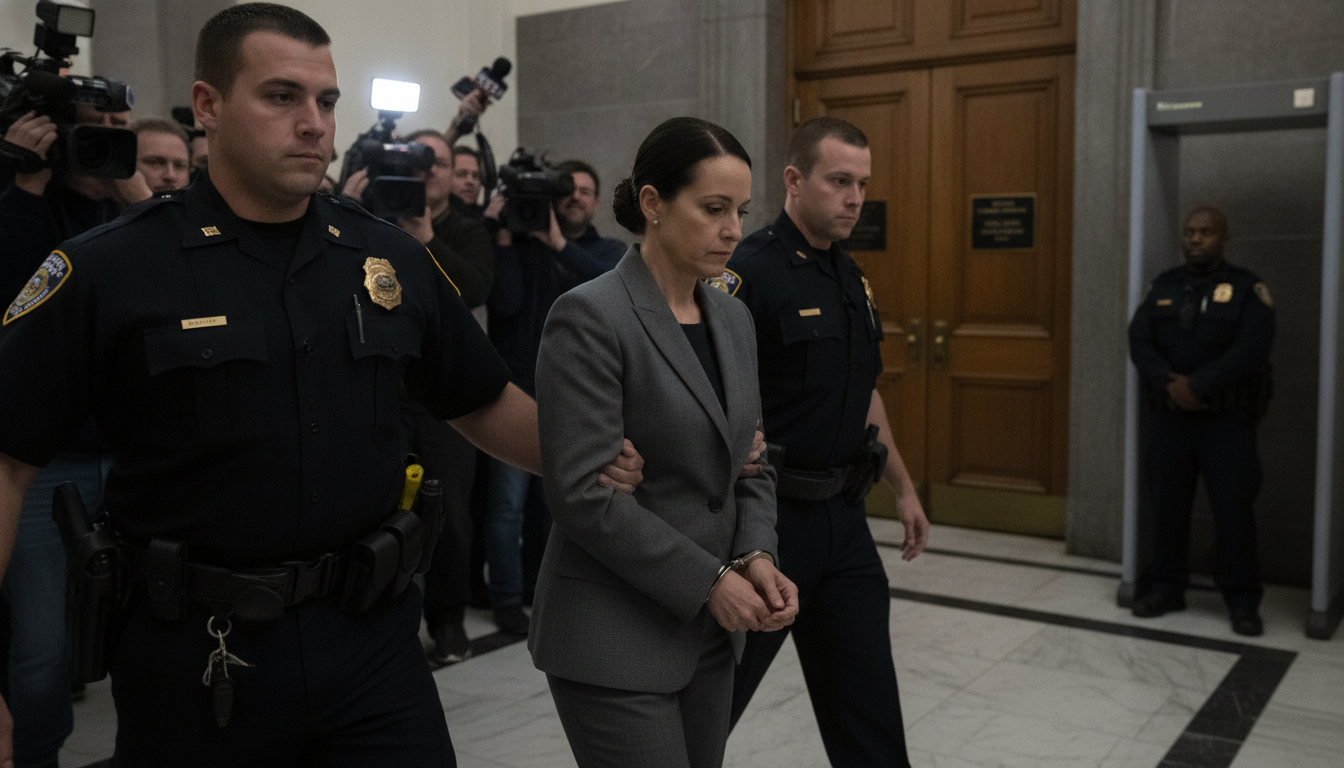
Service Canada employee stole seniors benefits, Bonnie Lo sentenced to 18 months
Former Service Canada employee Bonnie Lo was sentenced to 18 months in jail and ordered to repay $179,689.80 after admitting she stole unclaimed Old Age Security and Canada Pension Plan payments. The case, in which a judge rejected a house-arrest request, highlights how internal access at federal agencies can be abused to divert funds intended for vulnerable seniors.
Sentence and conviction
Court of King’s Bench Justice Kathryn Oviatt handed down an 18-month custodial sentence in a decision released on July 9, rejecting the defence’s request for a conditional sentence served at home. Justice Oviatt also imposed one year of probation following incarceration and ordered restitution to cover the funds investigators say were diverted. The Crown had sought just under two years behind bars, while the defence urged a community-based sentence.
Scope of the theft
An investigation found that between 2012 and 2016 Bonnie Lo diverted 176 OAS and CPP payments, with the total loss calculated at $179,689.80. The unauthorized deposits were made into accounts controlled by Lo after cheques or payments went unclaimed by the intended recipients. The scheme came to light in 2018 when a client reported previously issued CPP cheques had already been cashed, prompting a formal inquiry.
Role and method at Service Canada
Lo worked for nearly a decade as a payment services officer at Service Canada, a position that provided access to client records and payment-processing systems. That access allowed her to view beneficiary information, change direct-deposit details and reissue payments, which investigators say she used to redirect unclaimed benefits. The court found the offences involved planning and repeated misuse of privileged system access rather than isolated errors.
Prior conviction and continuing offending
Court records show Lo had a prior 2014 conviction for fraud and forgery that resulted in a nine-month conditional sentence. Justice Oviatt noted that the earlier conviction occurred in the middle of the period during which the more serious diversions took place. The judge said the prior sentence and its failure to deter continued misconduct were aggravating factors when determining an appropriate custodial term.
Defence evidence and mitigating factors
The defence presented a psychological report describing longstanding childhood trauma and multiple mental-health diagnoses, along with a gambling addiction and relationship difficulties. Counsel argued these factors, together with a guilty plea, warranted a conditional sentence and community-based treatment. While Justice Oviatt accepted that Lo’s personal history and health issues were mitigating, the judge concluded they were outweighed by the severity and repetitive nature of the offences.
Court’s reasoning on public trust
In her written decision, Justice Oviatt emphasized the broader harm caused by the fraud, saying it undermined confidence in public institutions responsible for administering seniors’ benefits. The judge observed that, beyond financial loss, the diverted payments likely produced delays, uncertainty and additional burdens for vulnerable recipients who had to establish entitlement to funds. The ruling underlined the principle that frauds by public officers routinely attract custodial sentences because of the trust placed in those positions.
Public officials, watchdogs and departmental managers have long warned that internal controls and audit trails are essential to protect benefit systems from misuse. This case has prompted calls among some advocates for Service Canada and other agencies to review access privileges, reconciliation procedures and the handling of unclaimed payments to reduce the risk of insider diversion.
A Crown submission had stressed the need for deterrence and accountability given the length and sophistication of the scheme, while the defence focused on treatment and rehabilitation. The court balanced those considerations and prioritized the message that abuse of trusted roles will be met with incarceration when warranted.
The imposed restitution aims to return the diverted OAS and CPP funds to the public purse or their rightful recipients, though court documents do not detail the timeline for repayment. The sentence and order for repayment signal a legal and financial remedy but cannot undo the anxiety and delays experienced by affected seniors.
This case also intersects with wider debates about how pension and seniors’ programs handle unclaimed or stale-dated payments, and what additional safeguards are necessary to prevent similar breaches. Advocates for seniors say timely communication with beneficiaries, stronger verification before reissuing payments, and tighter role-based access controls could help protect those who rely on fixed incomes.
The conviction and sentence of a former federal employee for diverting nearly $180,000 in seniors’ benefits underscores both the vulnerability of claimant populations and the responsibility of public institutions to protect benefit systems. The court’s decision signals that, when employees exploit system access to commit prolonged fraud, custodial sentences will be considered appropriate to preserve public confidence and deter future wrongdoing.
