
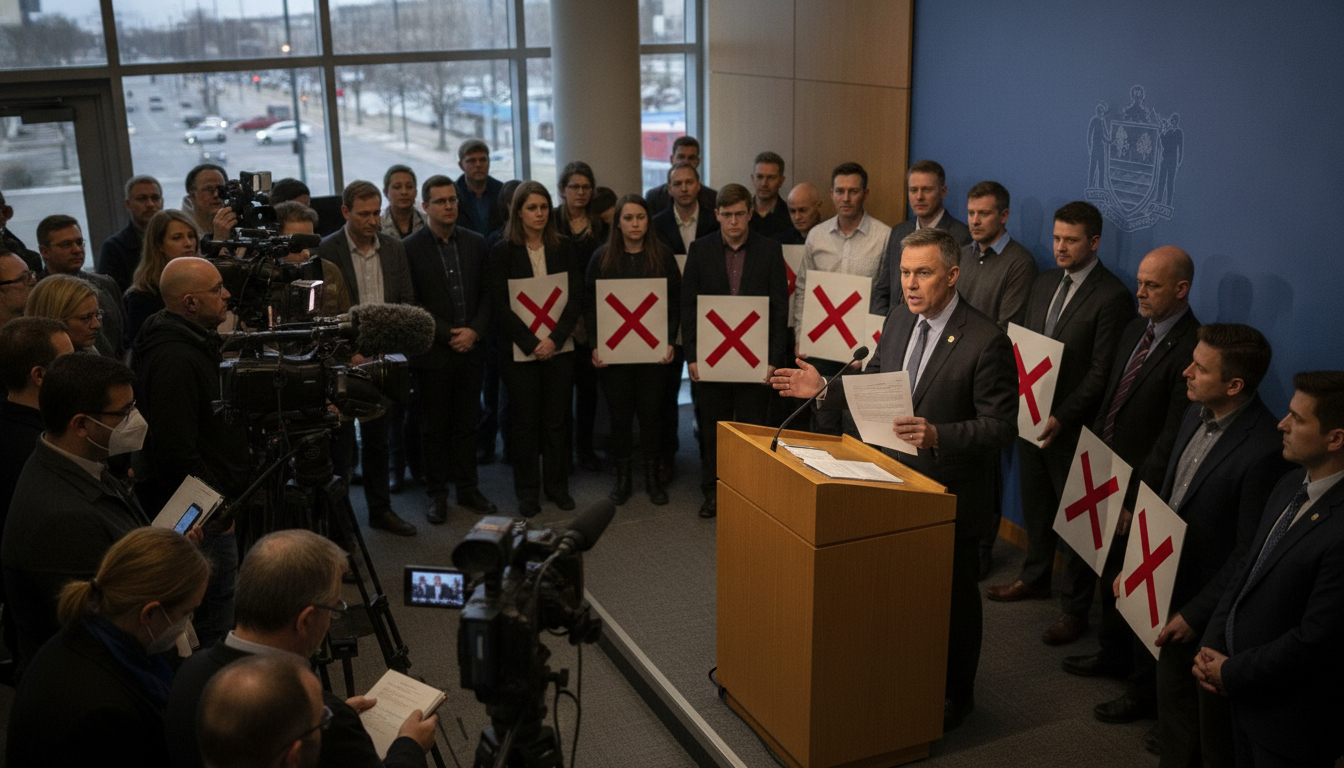
Elections Alberta petition verification at centre of dispute after 200,000 signatures
Alberta petitioners say Elections Alberta applied stricter verification standards, leaving thousands excluded; Lund demands a fair review of 200,000 signatures.
The dispute over Elections Alberta petition verification intensified after officials reviewing a recent petition concluded thousands of signatures failed to meet their standards. Petition supporters, led publicly by Lund, say more than 200,000 Albertans signed in good faith and deserve a transparent and reasonable process. The controversy raises questions about how signature checks are conducted and whether current practices align with the law.
Lund highlights scale of public support
Lund said the petition had the backing of more than 200,000 Albertans and argued that those signatories deserve "a fair and reasonable process."
He told reporters that his group believes Elections Alberta applied standards stricter than the law requires and that many legitimate signatures were improperly rejected.
Supporters have framed the dispute as not merely technical but as a matter of democratic participation, saying verification problems effectively shut out thousands of voters.
Allegation that verification was stricter than legislation
Petition organizers allege that verification procedures went beyond statutory requirements when validating names and addresses.
They contend rules applied during verification included thresholds and interpretations not found in the governing legislation, producing a higher rejection rate than expected.
Organizers say these discretionary interpretations, if accurate, could set a precedent for tighter enforcement on future grassroots petitions.
How signature verification typically works
Signature verification generally involves confirming that a name appears on voter rolls, that the address matches, and that the signature is not duplicated.
Administrators commonly use a random-sampling approach or full audits depending on the petition’s size and the applicable regulatory framework.
Experts in electoral administration say the balance between preventing fraud and facilitating participation is delicate, and procedural clarity is essential to reduce disputes.
Scale of rejected signatures and immediate effects
Organizers estimate that thousands of signatories were excluded during the verification process, a figure they say materially affected the petition’s standing.
Such exclusions can determine whether a petition meets thresholds for triggering statutory reviews or political responses.
For signatories, the immediate effect is disenfranchisement from the petition outcome; for organizers, it introduces uncertainty over whether their effort will prompt the intended official action.
Calls for review and transparency from petitioners
Petition proponents are calling for a transparent review of the verification process and have urged Elections Alberta to publish detailed criteria and rejection statistics.
They argue that releasing anonymized data on rejected entries and the reasons for rejection would allow independent observers to assess whether the agency applied the law uniformly.
Some advocates are also pressing for a clear appeals mechanism so individuals can challenge a rejection without protracted legal steps.
Potential legal and political ramifications
If verification procedures differ from statutory requirements, petitioners may pursue judicial review or other legal remedies to contest the outcomes.
Legal analysts note that courts typically examine whether an administrative body stayed within its legal mandate and followed fair procedures.
Politically, the dispute could prompt legislative scrutiny of petition rules or a push for clearer regulations to reduce future conflicts between administrators and signatories.
The controversy underscores long-standing tensions in managing public participation: authorities must guard against fraud while ensuring rules do not unintentionally disenfranchise legitimate participants.
