
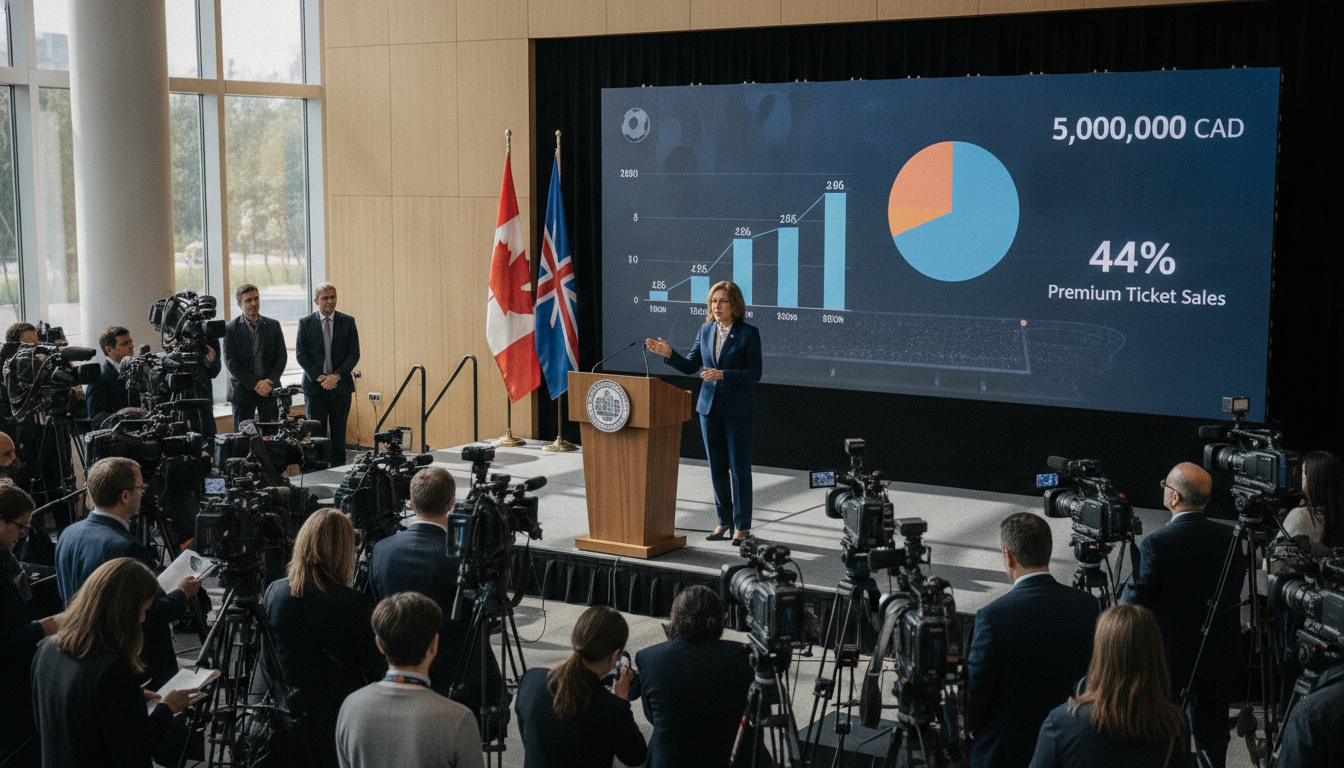
Toronto FIFA Fan Festival sold 44% of premium tickets, generating about $5 million
Report: Toronto FIFA Fan Festival sold 44% of premium tickets, earning about $5 million as the city assesses overall hosting costs for six World Cup matches.
The City of Toronto’s preliminary post-tournament report shows the Toronto FIFA Fan Festival sold roughly 44 per cent of its premium tickets, bringing in an estimated $5 million in revenue. City officials said the majority of festival access remained free, but paid premium options offering faster entry and dedicated areas were available for $100 to $300. The report also recorded about 350,000 total visitors to the fan festival across the tournament period as staff begin finalizing the city’s financial accounting.
Ticket Sales and Revenue Figures
City data indicate that less than half of available premium passes at the Toronto FIFA Fan Festival were purchased, producing the $5 million estimate used in initial budget reviews. Officials described the figure as preliminary, noting staff will continue to verify point-of-sale records and reconcile sponsorship and ancillary revenues. The paid tier was intended to offset some operating costs, but lower-than-expected uptake has been flagged as an item for further analysis in the full financial review.
Festival Attendance and Public Engagement
The report places overall fan festival attendance at approximately 350,000 people over the course of the tournament, a figure officials say reflects both local residents and visiting spectators. While most festival access points were free, the mix of paid and complimentary programming aimed to balance broad public access with revenue-generating premium experiences. Organizers will evaluate attendance patterns to determine which elements drew the largest crowds and where adjustments could improve both experience and revenue capture.
Premium Ticket Offerings and Pricing
Premium tickets, priced between $100 and $300, included expedited entry and access to dedicated spaces on festival grounds, according to the preliminary findings. City staff said those perks were designed to appeal to attendees seeking a more comfortable or exclusive viewing environment, but uptake suggests price sensitivity among some festival-goers. The report recommends deeper analysis of pricing tiers and product mix to better align premium offerings with demand in future large-scale events.
Budget Position and Hosting Costs
Despite the premium ticket shortfall, municipal officials remain confident the cost of hosting six World Cup matches will remain within the city’s approved $380 million budget for tournament-related expenses. The preliminary assessment indicates major cost lines are tracking to plan, though staff cautioned that final numbers will rely on completed reconciliations of revenues and offsets. A full accounting is expected once verification is complete and any adjustments for shared or ineligible expenses have been resolved.
Federal Contribution and Security Funding
The report notes that the federal government committed up to $45 million toward policing and security costs in April, an allocation that city officials say may help offset a portion of public-safety expenditures tied to hosting duties. Municipal staff are working to quantify exactly how much of the federal contribution will be applied to Toronto’s final ledger, including eligible overtime, equipment, and coordination costs. Officials added that intergovernmental funding arrangements will form part of the forthcoming detailed financial report.
Transit Usage and Match-Day Mobility
Transport data in the preliminary report show about 85,000 riders used local transit routes to access both the stadium and the fan festival, and Exhibition GO station recorded nearly 160,000 boardings on match days. City transportation planners said those numbers reflect concentrated peaks around kickoff times and underscore the importance of surge capacity during major events. The report recommends continued focus on routing, crowd management, and contingency planning to maintain reliability during future large-scale sporting events.
The city emphasized that this document represents an early look at outcomes and that a comprehensive financial statement will be released once staff complete verification of all revenue streams, offsets, and cost allocations. The full report is expected early next year and will include audited figures, a lineup of lessons learned, and recommendations for managing legacy infrastructure and public services after hosting major international events.
