
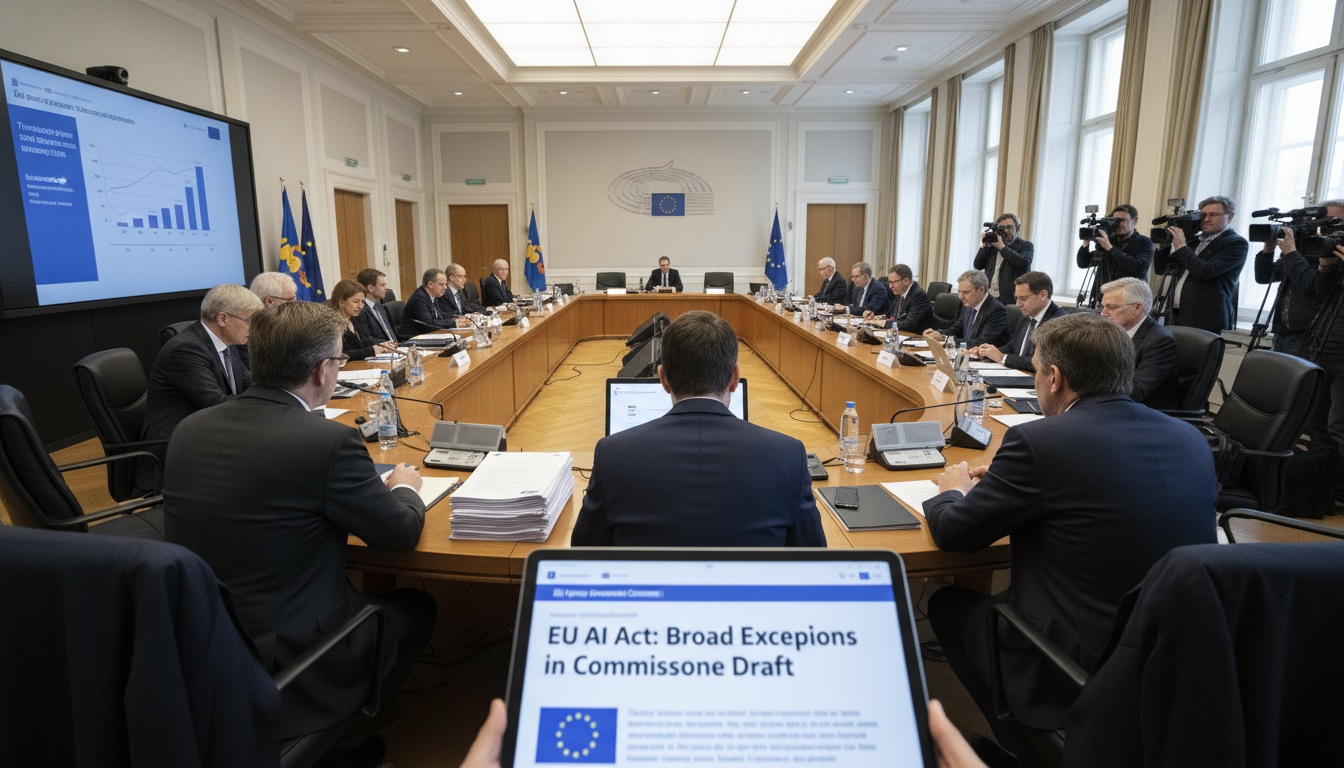
EU draft exposes gaps in AI Act transparency requirements as exceptions swell
EU Commission draft on AI Act transparency requirements sparks concern over broad exemptions and unclear deepfake rules that could weaken protections.
The European Commission has circulated a draft guideline aimed at clarifying the AI Act transparency requirements for AI-generated and manipulated media, but the document is drawing criticism for an abundance of exceptions. The guideline is intended to define when producers, platforms and intermediaries must label deepfakes and synthetic content, yet many stakeholders say the text leaves key boundaries ambiguous. With fraud using AI-created or falsified media rising rapidly, regulators are under pressure to deliver precise, enforceable rules that prevent misuse without stifling innovation.
Rising use of AI in fraud and disinformation
The spread of AI-generated imagery, audio and video has accelerated the scale and sophistication of fraud targeted at individuals, companies and public institutions. Scammers have used manipulated media to impersonate executives, coerce payments and influence public debate, leading to financial and reputational harm. Regulators say transparency obligations in the AI Act are a central tool to curb these harms by ensuring users can identify synthetic or altered content.
Core obligations under the AI Act transparency requirements
The AI Act establishes a framework requiring certain high-risk systems to meet transparency, documentation and accountability standards, and it includes provisions to ensure people are informed when interacting with synthetic content. The transparency requirements aim to mandate clear labelling of content that is synthetically generated or materially altered so recipients can assess authenticity. Policymakers framed these rules as a balance between consumer protection and support for legitimate uses such as art, journalism and entertainment.
Commission guideline seeks to define deepfakes but raises questions
The Commission’s draft guideline attempts to translate legal text into operational definitions, offering examples of what constitutes a deepfake and when labels are required. Observers welcomed the effort to reduce uncertainty, but many fault the draft for proliferating carve-outs and conditional rules that could limit practical enforcement. Critics note the document lists numerous situational examples, yet those examples often hinge on subjective tests like “material impact” or intent, which can complicate compliance and oversight.
Scope and exemptions that could blunt enforcement
A central concern is the number and breadth of exemptions in the draft, which appear to exclude a range of actors and contexts from strict labelling duties. The guideline differentiates between commercial producers, platform hosts and individual creators, and proposes different obligations for each group. It also suggests limited duties for content that is obviously synthetic, content used for parody or satire, and material where labelling would be “disproportionate” given technical constraints. Legal analysts warn these thresholds risk creating loopholes that bad actors could exploit to avoid disclosure.
Impacts for platforms, newsrooms and creators
Platforms could face complex new compliance burdens if the final guidance requires active detection, labelling and record-keeping for synthetic content. Smaller platforms and independent creators say the draft’s compliance model favors large tech firms that can absorb monitoring costs, while newsrooms fear chilling effects if legitimate journalism that uses synthetic elements is over-regulated. At the same time, victims of AI-enabled fraud want clearer rules that make it harder to mask manipulated material under vague exceptions.
Calls for clearer tests, stronger enforcement and technical standards
Industry groups, civil society and legal experts are urging the Commission and EU lawmakers to adopt clearer, objective tests for when material must be labelled and to set technical standards for notices and metadata. Advocates recommend harmonized disclosure mechanisms that travel with content across platforms, plus defined penalties for non-compliance. Several stakeholders also stress the need for independent auditing and transparency about the detection tools used by platforms, to avoid opaque enforcement and potential over-blocking.
Next steps as the guideline moves toward finalisation
The draft guideline will enter a consultation phase with member states, industry representatives and civil society, during which many expect intense negotiations over definitions and exemptions. Lawmakers in the European Parliament and national regulators also retain roles in shaping how the transparency requirements will be applied in practice. The final text will determine whether the AI Act’s transparency framework becomes a robust safeguard against deepfake fraud or a set of soft rules with limited teeth.
The debate over the Commission’s draft underscores a wider regulatory dilemma: how to craft rules that protect the public from AI-enabled deception while preserving space for creative and beneficial uses of synthetic content. As consultations proceed, the clarity and enforceability of the AI Act transparency requirements will be critical to its effectiveness in curbing the growing threat of manipulated media.
