
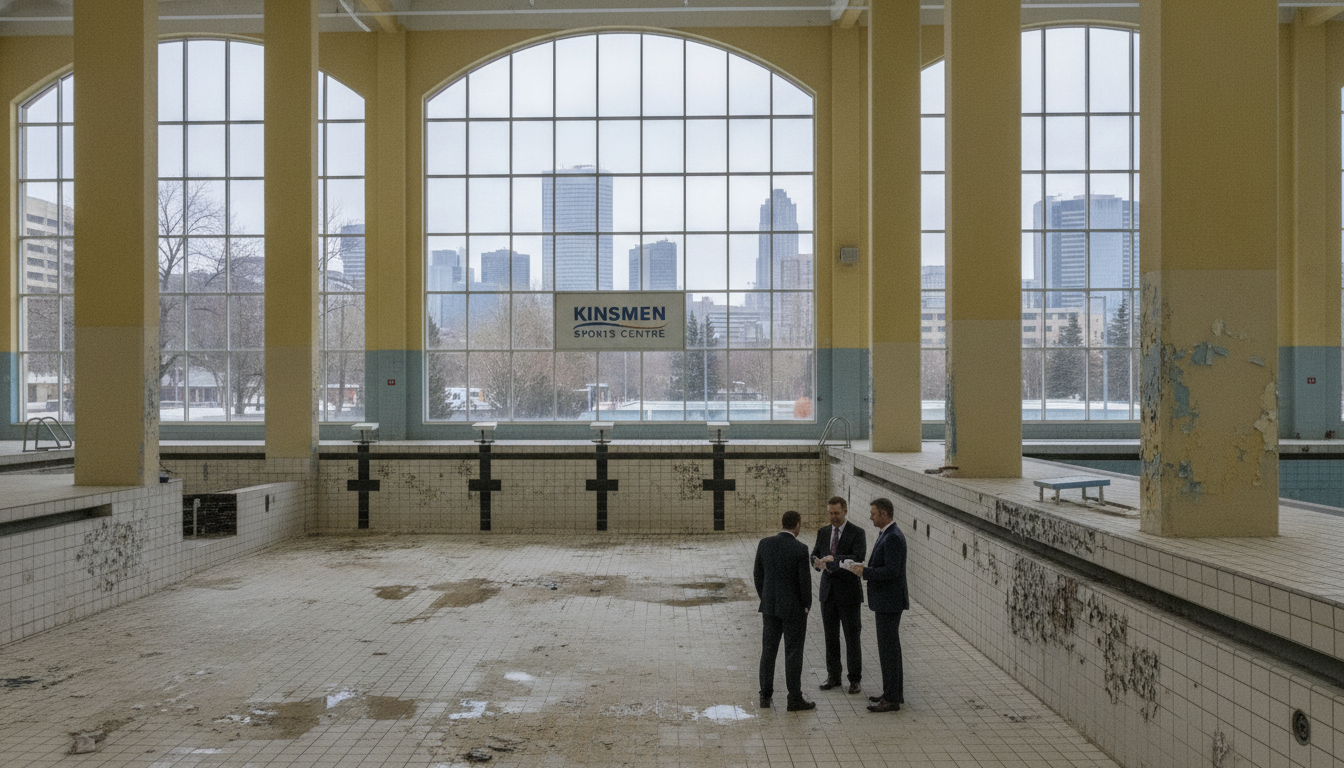
Edmonton pools face ageing infrastructure as four sites could be classed poor by 2037
Edmonton pools average 44 years old; eight are over 50 and one is rated poor, with three more expected by 2037. City aims for one facility per 44,000.
Edmonton’s network of public pools is showing signs of age and strain, with the average facility now 44 years old and eight sites older than half a century. The city’s assessment finds one pool already in poor condition and flags three additional locations — Eastglen, Grand Trunk, Londonderry and O’Leary — as likely to fall into the same category by 2037. Despite those concerns, officials report that 94 percent of pools are currently rated in either good or fair condition, a statistic that frames decisions about repairs and investment.
Aging facilities concentrated in longstanding neighbourhoods
The eight facilities that exceed 50 years of service are concentrated in some of Edmonton’s older neighbourhoods, reflecting post-war construction patterns and decades of community use. Aging mechanical systems, waterproofing, and pool finishes typically account for declining condition ratings as infrastructure reaches the end of its original service life. Replacement or major renovation of such assets is more costly and complex than routine maintenance, requiring multi-year capital plans and temporary service adjustments.
Current condition profile and short-term outlook
City assessments categorize nearly all pools as serviceable today, with 94 percent graded good or fair, while one facility is identified as poor. The report anticipates that Eastglen, Grand Trunk, Londonderry and O’Leary pools will join the poor-category cohort by 2037 unless significant work is undertaken. That projection is driven by the facilities’ existing age, historical maintenance records and the typical lifecycle of pool infrastructure components.
Coverage targets could be challenged if closures occur
Edmonton’s stated service-level target calls for one aquatic facility per 44,000 residents and aims to ensure every resident can reach a pool within 10 minutes. Those benchmarks help guide where the city locates new facilities and how it prioritizes capital funding. If the projected decline results in closures before replacements are in place, the city could fall short of its targets and force longer travel times or reduced capacity for lessons and recreation in affected neighbourhoods.
Pressure on programming and community access
Pools serve multiple community functions — learn-to-swim programs, therapeutic and recreational swim, lane time for training, and public access for families — and even a temporary loss of capacity can ripple across schedules. Reduced pool availability often leads to longer waitlists for lessons, cutbacks in public swim hours and increased competition for lane space among clubs and lap swimmers. For neighbourhoods served by the facilities named in the projection, these changes would be particularly acute and could affect vulnerable residents who rely on nearby recreation.
Choices ahead: renovate, replace or redistribute services
Faced with ageing assets, the city will need to weigh major renovations against full replacement in several cases, balancing capital cost, long-term operating efficiency and service disruption. Alternatives such as partnerships with school boards, seasonal or portable aquatic options, and targeted program relocation can provide interim relief while capital projects are planned. Each option carries trade-offs in cost, timeline and community impact, and will require public consultation as part of the capital planning process.
Implications for budgeting and equity across wards
Decisions about which pools to prioritize for investment will be scrutinized for equity, as aging facilities are often embedded in neighbourhoods with limited other recreational resources. Capital budgets must reconcile immediate repair needs with long-term strategic goals, and funding choices will shape service patterns for the next two decades. Council deliberations and budget cycles over the coming years will determine whether the projected 2037 outcomes are averted through timely investment or become reality for the named facilities.
The city’s assessment lays a clear marker for the coming planning horizon: Edmonton pools are ageing, and targeted action will be required to maintain service levels and meet the 10-minute coverage goal. Residents, community groups and elected officials now face decisions about where to invest to keep swim programs accessible while managing the costs of renewing decades-old infrastructure.
