
Mackenzie Valley highway moved toward “national interest” status as Ottawa vows faster reviews
Ottawa plans to designate the Mackenzie Valley highway as a project of national interest, accelerating environmental reviews for three major northern projects.
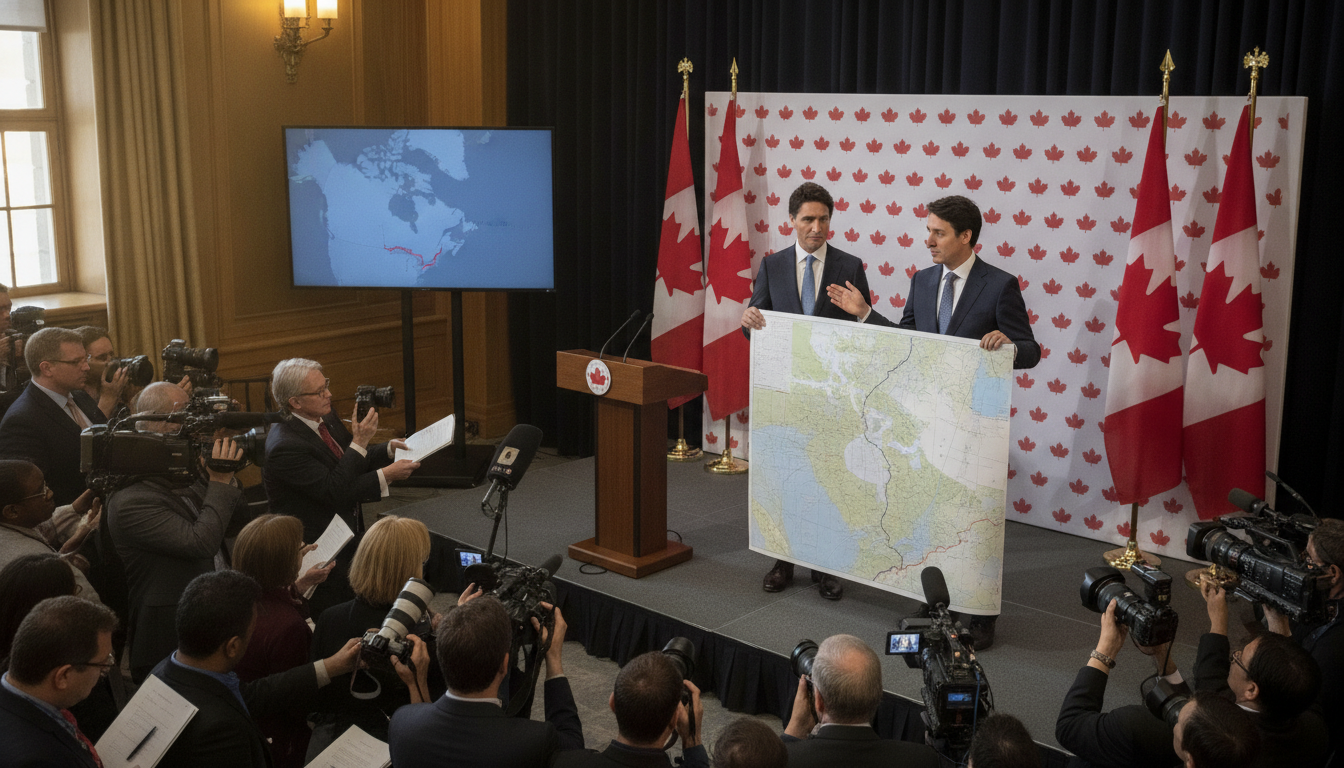
The federal government announced in Yellowknife that it intends to list the Mackenzie Valley highway under the Building Canada legislation, a step aimed at speeding federal permits and impact assessments. The move also names the Grays Bay road and deep‑water port at the N.W.T.–Nunavut border and a proposed deep geological repository for nuclear waste in Ontario among projects to be considered for the same status.
Federal announcement in Yellowknife
The announcement took place in Yellowknife with territorial premiers and federal ministers in attendance, reflecting Ottawa’s effort to spotlight northern infrastructure. Officials said the designation would be the first awarded under the new law intended to streamline complex, high‑profile projects.
Government representatives framed the designation as a way to shorten timelines for environmental assessments and federal permits while still requiring required consultations with affected communities. Ministers added that the process is intended to balance economic opportunity, national sovereignty in the North and environmental protections.
Scope and route of the Mackenzie Valley highway
The Mackenzie Valley highway would create a permanent land link between Wrigley and Inuvik through the Sahtu region of the Northwest Territories. Proponents say the road would connect remote communities, reduce transport costs and enhance year‑round access to coastal areas.
Officials described the corridor as a strategic asset that could strengthen Canada’s presence in the Arctic and open access to resource‑development opportunities. Early federal funding has already been allocated to some segments and bridge structures, the government said.
Support from regional leaders and industry
Local and territorial leaders offered cautious support, noting potential benefits for living costs and local business development. The president of the Sahtu Secretariat, Charles McNeely, told reporters the road could lower prices and expand economic options for residents, framing the project as a long‑sought infrastructure investment.
Territorial premiers who joined the announcement emphasized regional priorities and the potential for improved intercommunity travel. Federal ministers highlighted the project’s importance for national infrastructure and northern connectivity.
Concerns from Indigenous land administrators
Not all local organizations welcomed the move without reservations, and several Indigenous land corporations urged that their rights and governance protocols be respected. The Yamoga Land Corporation, which administers lands around Fort Good Hope, cautioned that a highway would significantly affect rights and territory management.
Leaders from affected land bodies said they are not categorically opposed to the route but insisted on adherence to established land‑use agreements and the need for formal consent before construction proceeds on their territory. They stressed the importance of transparent consultation and binding commitments from Ottawa.
Consultation process and environmental review timeline
Ottawa confirmed that formal consultations with territorial governments and Indigenous peoples will begin in the weeks following the announcement. The law requires the government to consult those whose rights may be affected before granting national interest status.
Federal officials said they expect to reach a decision on whether to formally designate the projects as being of national interest by the autumn. In the meantime, the Mackenzie Valley highway proposal remains under review by the dedicated Mackenzie Valley environmental review office.
What designation would change for project approvals
If granted, national interest status would allow projects to move through a faster, federally coordinated approval pathway, proponents say. That could mean consolidated federal permitting, fewer duplicative steps and a shorter timetable for some regulatory processes.
Critics caution that accelerated reviews must not undermine thorough environmental assessment or meaningful Indigenous consultation. Environmental groups and some community representatives say timelines should not displace rigorous study of impacts on wildlife, permafrost, waterways and traditional land use.
Federal ministers said construction activities could begin later this year on already funded sections and structures, while underlining that broader work depends on consultation outcomes and final approvals. They reiterated that economic potential and improved northern access are central themes of Ottawa’s infrastructure strategy.
Supporters point to potential cost savings for residents and businesses once a permanent route is completed, but both territorial and Indigenous leaders warned that benefits must be shared equitably and that environmental and cultural protections be upheld.
The coming months will be critical as Ottawa, territorial governments and Indigenous communities move into formal consultation and environmental assessment phases, with a government decision on national interest status expected by the fall.
