
Edmonton’s 24-7 crisis diversion team unveils public data dashboard
Edmonton’s 24-7 crisis diversion team unveils a public dashboard tracking monthly calls, locations, reasons and outcomes to inform partners and the public.
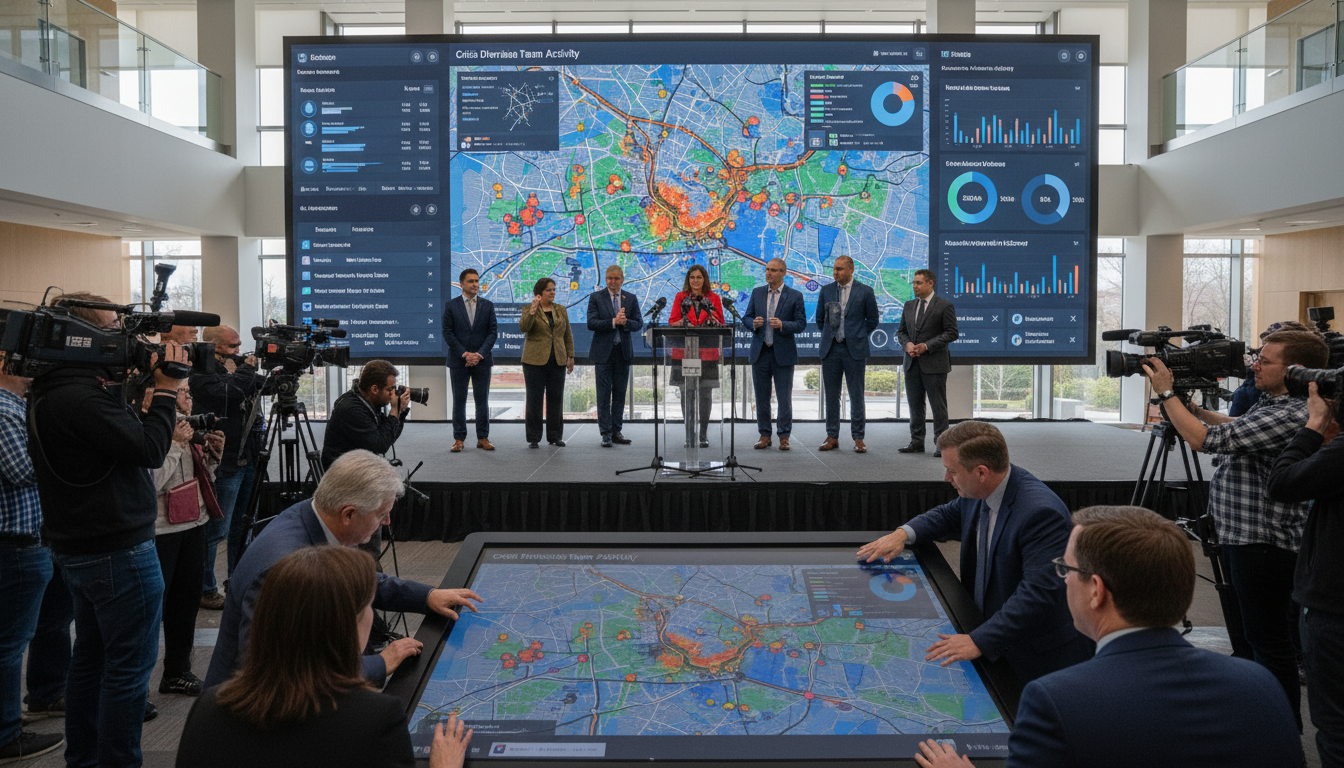
Edmonton’s 24-7 crisis diversion team has made its operational data visible to the public through a new interactive dashboard that maps month-by-month activity across the city. The tool, piloted since January, displays where responders are dispatched, the reasons for calls, weather conditions at the time and the outcomes of interventions. Organizers say the dashboard will strengthen transparency and give both the public and service partners a clearer sense of how crisis diversion works on the ground.
Public dashboard launched
The dashboard was opened to the public this week after several months of internal use and sharing with partner agencies. PALcares, the community organization behind the project, developed the system with input from frontline crews and stakeholders to ensure the visualizations reflect real operational needs. The public release is intended to help the team tell its story in data form and to make patterns of demand easier for funders and the community to understand.
What the dashboard displays
Users can view incident locations plotted over a map of Edmonton, filter by month and examine contextual details such as weather and stated reasons for each response. The tool also identifies destinations where people are taken and shows how often responders are able to find the person they were called to assist. Developers say those fields were chosen specifically because they reflect information responders rely on during shifts and because they illuminate outcomes beyond simple call counts.
How partners and dispatchers are using it
Contact centre managers who have tested the dashboard report it helps them anticipate peak periods and identify neighbourhoods with consistent demand. A manager with 211 said the visual data revealed notable activity not only in central areas but also along Parsons Road, on the north side and in southwest neighbourhoods. That geographic clarity is already influencing dispatcher awareness and conversations about staffing and resource allocation.
Operational footprint and team capacity
The 24-7 diversion team, operating since 2015, currently runs roughly 10 vehicles around the clock to conduct wellness checks, offer support and provide transportation where needed. Teams also respond to incidents such as suspected drug poisonings and coordinate with other service providers when additional supports are required. Leadership emphasizes that the dashboard does not replace clinical judgment but supplements situational awareness and record-keeping for a program that provides non-emergency alternatives to police response.
Rising demand and case complexity
Service partners say demand for diversion is growing and the cases are increasingly complex, often involving overlapping issues like substance use, mental health challenges, homelessness and exposure. Last year alone, 211 reported receiving about 37,500 calls related to crisis diversion needs, a volume that far exceeds what was typical a decade ago. Managers note that seasonal factors — especially winter weather and shelter capacity constraints — can compound pressures and force crews to find interim safety solutions when long-term placements are unavailable.
Data-driven planning and next improvements
PALcares’ lead data scientist says the project team continues to iterate on the interface to ensure it tells the most useful story while protecting privacy. Future refinements are expected to add analytical features that support operational planning, inter-agency coordination and public reporting without disclosing personal identifiers. The organization also hopes the dashboard will foster new collaborations by allowing partners to overlay their own services and identify gaps more precisely.
The public dashboard marks a shift toward greater transparency for Edmonton’s crisis diversion network and offers planners a practical tool to track evolving needs. By visualizing when and where crews operate, the team and its partners gain a sharper view of demand patterns and outcomes, information that will inform staffing, referrals and service design as pressures continue to rise.
