
WHO says Ebola outbreak in DR Congo poses high regional risk, global threat remains low
WHO rates Ebola outbreak in DR Congo as high for Central Africa but low globally; 139 deaths reported, international alert issued, contact tracing under way.
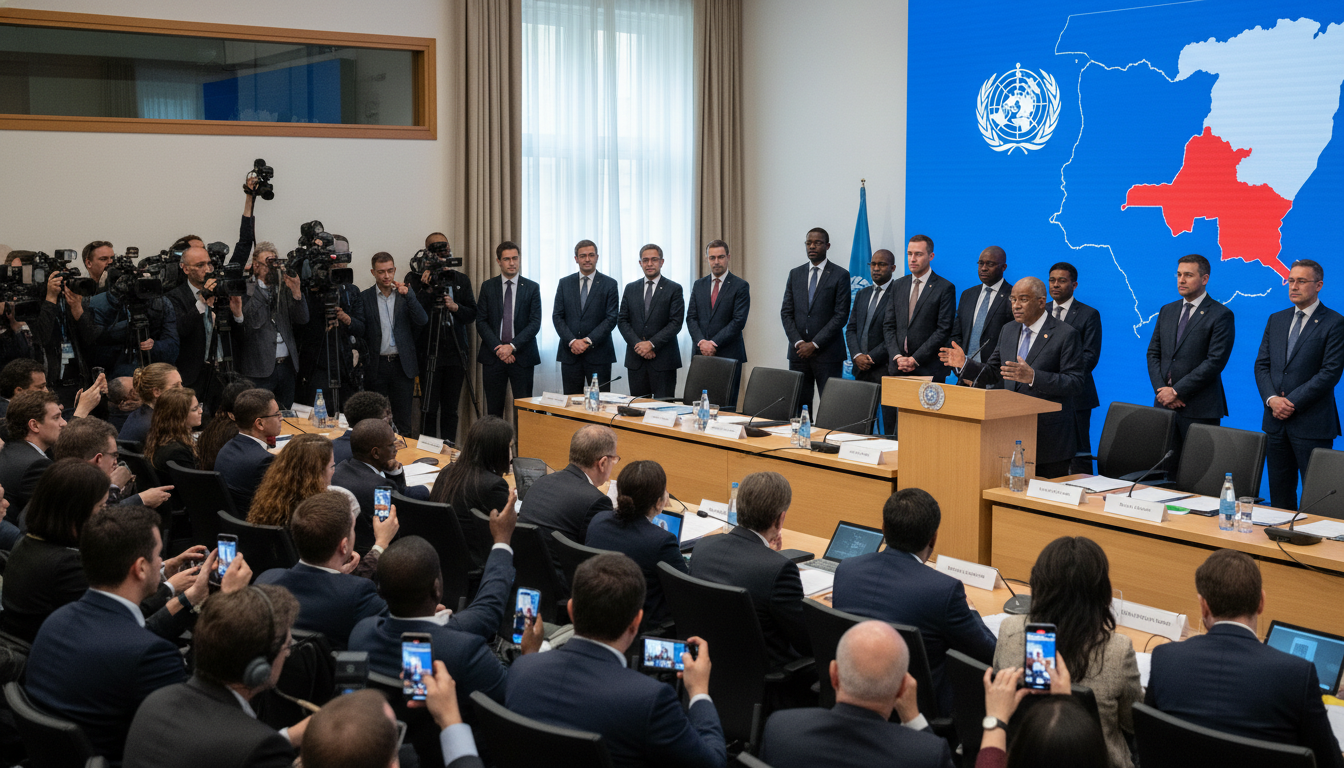
The World Health Organization has classified the Ebola outbreak in DR Congo as a high epidemic risk for Central Africa while assessing the global risk as low, after convening an emergency committee in Geneva. The designation follows reports of roughly 139 deaths and nearly 600 probable cases concentrated in the country’s eastern provinces, prompting an international health alert. WHO Director-General Tedros Adhanom Ghebreyesus told reporters the body judged the outbreak to be serious at national and regional levels but not yet a global pandemic-level emergency. Health authorities and aid agencies are focusing resources on isolating cases, tracing contacts and expanding clinical care in hard-hit areas.
WHO assessment and risk classification
The WHO’s emergency committee confirmed the outbreak does not meet the criteria for a global pandemic but flagged elevated risk for neighbouring countries in Central Africa. Officials emphasized the distinction between high regional risk—driven by cross-border movement and fragile health systems—and the lower probability of widespread transmission beyond the region. The declaration of an international alert aims to mobilize funds, technical support and rapid deployment teams to shore up surveillance and treatment capacity. WHO experts warned that unless transmission chains are broken, the outbreak could continue and possibly broaden within the region.
Scale of the outbreak and reported fatalities
Local health authorities and WHO data indicate the outbreak has resulted in about 139 deaths and nearly 600 probable cases to date, with the bulk of infections clustered in eastern provinces. The virus, which causes a severe hemorrhagic fever, has been detected primarily in the Ituri province and surrounding areas where access to health services is limited. Historically, Ebola has killed more than 15,000 people in Africa over the past five decades, and while highly lethal, it is less transmissible than diseases such as measles or COVID-19. Treatment and isolation of cases remain central to reducing mortality and stopping onward spread.
Origins and timeline of detection
Health officials trace the first confirmed patient in this wave to an individual nurse who sought care on April 24 in Bunia, the provincial capital of Ituri, though investigations point to an origin in Mongbwalu approximately 90 kilometres away. WHO reports the agency was alerted to a cluster of a high-fatality illness on May 5, with a laboratory-confirmed positive sample on May 15 and an international public health emergency declared on May 17. Experts say retrospective evidence suggests transmission likely began months earlier, and ongoing field investigations are attempting to reconstruct transmission chains and identify missed cases. The timeline underscores challenges in early detection in remote or conflict-affected settings.
Containment strategy: tracing, isolation and care
WHO technical teams and national health authorities are prioritizing contact tracing, rapid isolation of suspected cases and the provision of clinical care to confirmed patients as the main tools to halt transmission. Vaccination campaigns, where available, and infection prevention measures in treatment centres are being scaled up to protect health workers and close contacts. Logistics efforts focus on delivering supplies and training staff in affected zones, many of which have limited infrastructure and security constraints. Officials say breaking chains of transmission will require sustained access, community engagement and sufficient global support.
Political and public criticism over response speed
The WHO’s handling of the outbreak has drawn criticism from some international figures, including U.S. Senator Marco Rubio, who argued that the agency was slow to detect and declare the crisis. WHO Director-General Tedros rejected characterizations of delay, noting the organization’s role is to support national authorities and to follow International Health Regulations while coordinating international assistance. WHO technical staff in Geneva and field experts in the region have defended the decision-making timeline, saying laboratory confirmation and epidemiological investigations must meet strict standards before triggering certain public alerts. The exchange highlights tensions between rapid political pressure and the cautious, evidence-based processes public health agencies use to declare international emergencies.
Local health experts have also cautioned that community mistrust, movement of displaced populations and limited surveillance capacity complicate response efforts, and urged donors to fund immediate interventions.
Final paragraph summarizing outlook and immediate priorities
For now, WHO and partners stress that the priority remains to break transmission through aggressive contact tracing, isolation and treatment, while expanding vaccination and community outreach where feasible. The international alert is intended to accelerate support to national authorities and to mitigate spillover to neighbouring countries, but health officials say the outcome will hinge on access to affected communities and sustained resourcing. Continued monitoring and rapid adjustments to the response will be essential as investigations clarify the outbreak’s scope and as teams work to contain it in eastern DR Congo.
